



Do you need a certificate to apply fire retardant coating
The short answer is: it depends on your location, the building type, and the substrate involved. In the United States, most commercial and public building projects require documented proof that the fire retardant coating product itself carries valid third-party certification — and in many jurisdictions, the applicator must hold verified credentials as well. When you are specifying a finishing type fire retardant coating for steel structures in offices, hotels, or commercial buildings, understanding both layers of certification is not optional. It directly affects project acceptance, insurance validity, and legal liability.

Understanding Fire Retardant Coatings and Certification Requirements
What Fire Retardant Coatings Actually Do
By creating an insulating barrier between the substrate and heat, fire retardant coatings limit the spread of flames. Heat causes intumescent coatings to expand, forming a char layer that postpones structural breakdown. Cementitious coatings give steel members a protection made of minerals. Thin-film decorative coatings, such as finishing type materials, have gained popularity in commercial interior projects because they strike a balance between surface esthetics and fire performance.
ASTM E119 evaluates assemblies' fire resistance, while ASTM E84 regulates surface burning properties for building materials under U.S. standards. Export initiatives are subject to international standards like ISO 834 and EN 13501-1. Test results against these benchmarks must be included with any coating applied to a building subject to code regulations; these reports must originate from recognized laboratories rather than just the manufacturer.
Product Certification vs. Applicator Certification
These two prerequisites function separately. A product certification attests to the coating formulation's successful completion of controlled, standardized fire testing. The certification of an applicator attests to the fact that the individual handling the product has received training to reproduce those conditions on-site. A compliance gap results from omitting any one. The fire resistance rating is legally nullified if an uncertified worker applies a certified product outside of the tested dry-film thickness range, and the project owner is responsible.
Types of Fire Retardant Coatings and Their Application Certifications
Wood and Steel Substrates Carry Different Requirements
The main criteria used by ASTM E84 to evaluate coatings for wood combustible substrates are smoke formation and flame spread. A stricter standard applies to steel structural coatings: ASTM E119 tests mandate that the protected assembly withstand a specified temperature-time curve for a rated period.
According to NFPA 101 occupancy standards for high-rise and assembly buildings, the majority of commercial building regulations in the United States need a finishing type fire retardant coating engineered for steel to exhibit fire resistance of ≥1.8 hours.
Water-based formulations are more easily aligned with indoor air quality standards like GREENGUARD Gold and usually have lower VOC ratings. Because solvent-based goods fall under UN1263 Class 3 (flammable liquids), job sites must adhere to additional storage and handling regulations. Before committing to a specification, procurement teams should confirm which regulatory track a product follows.
The Application Process: Certified Procedures and Best Practices
Surface Preparation and Environmental Controls Matter
Long before the first coat is sprayed, certified application begins. The substrate needs to be clear of rust, grease, and mill scale. A suitable anti-corrosion primer is required for steel before the fire retardant layer is applied. Relative humidity should be at or below 85%, and the application temperature should be between +5°C and +40°C. To avoid condensation beneath the wet film, the substrate temperature must stay at least 3°C above the dew point. These are the boundary circumstances under which the product was tested; they are not suggestions. Any deviation from them renders the applicable system's certification foundation invalid.
Maintenance, Re-inspection, and Warranty Timelines
Periodic post-installation inspection verifies that there has been no mechanical damage, delamination, or cracking of the finishing type fire retardant coating film. A certified inspector should evaluate the coating for indoor applications every three to five years. More regular reviews are necessary for outdoor installations that depend on an additional UV and weathering topcoat system, particularly after five years when the topcoat's photodegradation speeds up. The majority of insurers and AHJs (Authorities Having Jurisdiction) require documentation, and keeping inspection records fulfills these requirements while preserving the guarantee.
Before authorizing any supplier of fire retardant paint, procurement managers should seek a complete paperwork package (
Procurement Considerations: Choosing Certified Fire Retardant Coatings and Applicators
How to Evaluate a Supplier's Certification Package
). The following essential documentation are required of a reliable supplier:
- Third-party fire test reports referencing ASTM E84, ASTM E119, or the relevant regional standard, issued by an accredited laboratory.
- ISO 9001 quality management certification, confirming consistent production controls.
- ISO 14001 and ISO 45001 certifications, demonstrating environmental and occupational safety compliance.
- CE marking documentation for projects with European supply chain requirements.
- VOC compliance declarations, confirming the product meets the specified indoor air quality threshold (≤30 g/L for steel structure finishing coatings).
A supplier shouldn't be considered for code-regulated projects if they are unable to provide these documentation upon request. Every compliant standard is built upon these certificates.
Compare coverage rate and fire resistance duration versus cost in addition to documentation. Because it eliminates the need for a separate decorative topcoat while meeting structural fire protection requirements in a single system, a coating with a coverage rate of 4–6 m²/kg and a fire resistance limit of ≥1.8 hours on steel structures offers measurable cost efficiency over the project lifecycle. Together, these procurement standards lower project risk, expedite inspection clearances, and shield the contracting company from expensive post-completion repair.
Case Studies and Real-World Examples
Commercial Office Renovation, Midwest U.S.
A thin-film intumescent coating was requested for exposed steel columns in the lobby and open-plan floors by a general contractor renovating a mid-rise office building in Chicago. A regular gray structural coating and an additional architectural paint were required by the original specification. However, the contractor later recognized that a finishing type fire retardant coating was necessary to satisfy both the fire-resistance and aesthetic requirements of the exposed steel elements.
The project team removed one trade package, cut labor hours overall, and passed fire inspection on the first review by switching to a finishing type ornamental fire retardant paint, which is available in matte and gloss variants with customizable color. The building owner's LEED documentation standards were also met by the coating's VOC value of ≤30 g/L.
Hotel Interior Fit-Out, Southeast Asia (Export Reference)
Through an OEM agreement, a local hotel chain obtained a finishing type fire retardant coating and applied it on decorative wall features and steel ceiling frames in 200 guestrooms. Within ten working days, the supplier sent color-matched samples and batch test reports with every shipment. The hotel opened on time, and the project passed the local fire authority inspection without any issues.
Conclusion
The process that links a product's laboratory performance to actual fire safety is called certification for finishing type fire retardant coating application, and it is not a bureaucratic burden. Formulation integrity is validated by product certification, whereas execution quality is validated by applicator certification. For projects where life safety is the dominant norm, both are necessary.
Procurement teams can shield their projects from inspection failures, insurance disputes, and legal risk by verifying the entire certification stack, which includes test results, quality system certificates, VOC declarations, and applicator credentials. The most dependable route to compliance, on-time delivery is to choose a provider who offers this paperwork transparently, along with numerous color options and quick response.
FAQ
Can uncertified workers legally apply fire retardant coatings in the U.S.?
Commercial building codes in the majority of U.S. jurisdictions do not forbid uncertified workers from physically applying the product; nevertheless, the installation must strictly adhere to the certified application instructions provided by the manufacturer.
The fire resistance rating is no longer valid if the application deviates from the tested system conditions, such as using the inappropriate primer, dry-film thickness, or surface preparation. Documented applicator training is now a requirement for project acceptance for many AHJs and insurers.
How often should fire retardant coatings be re-inspected?
An industry standard for interior steel structure applications is a qualified inspection every three to five years. After five years, outdoor systems with a UV/weathering topcoat should be evaluated more regularly.
Which certifications should I look for in a finishing type fire retardant coating supplier?
Give preference to vendors with ISO 9001, ISO 14001, ISO 45001, and CE certificates. Make that fire test records cite approved laboratory testing in accordance with ASTM E84, ASTM E119, or the relevant regional standard. Documentation of VOC compliance is required for commercial indoor uses.
Request a Sample and Certified Product Documentation from Banggu Fanghuo
Supported by ISO 9001, ISO 14001, ISO 45001, and CE certifications, Banggu Fanghuo's finishing type fire retardant coating for steel structures offers ≥1.8-hour fire resistance, flame-retardant Grade A performance, and VOC content ≤30 g/L. With more than 30 years of production experience, we are a reputable finishing type fire retardant coating manufacturer that provides OEM and ODM services, quick color sampling, and comprehensive technical documentation. To request your certification package, visit bgfireproof.com or send us an email at admin@bgfireproof.com.
References
1. ASTM International. ASTM E84: Standard Test Method for Surface Burning Characteristics of Building Materials. ASTM International, 2023.
2. ASTM International. ASTM E119: Standard Test Methods for Fire Tests of Building Construction and Materials. ASTM International, 2022.
3. National Fire Protection Association. NFPA 101: Life Safety Code. NFPA, 2021.
4. European Committee for Standardization. EN 13501-1: Fire Classification of Construction Products and Building Elements. CEN, 2018.
5. International Organization for Standardization. ISO 834-1: Fire Resistance Tests — Elements of Building Construction. ISO, 2019.
6. U.S. Green Building Council. LEED v4.1: Indoor Air Quality — Low-Emitting Materials Credit Technical Guidance. USGBC, 2021.

USER EVALUATE
Here is the customer's evaluation of us
YOU MAY LIKE
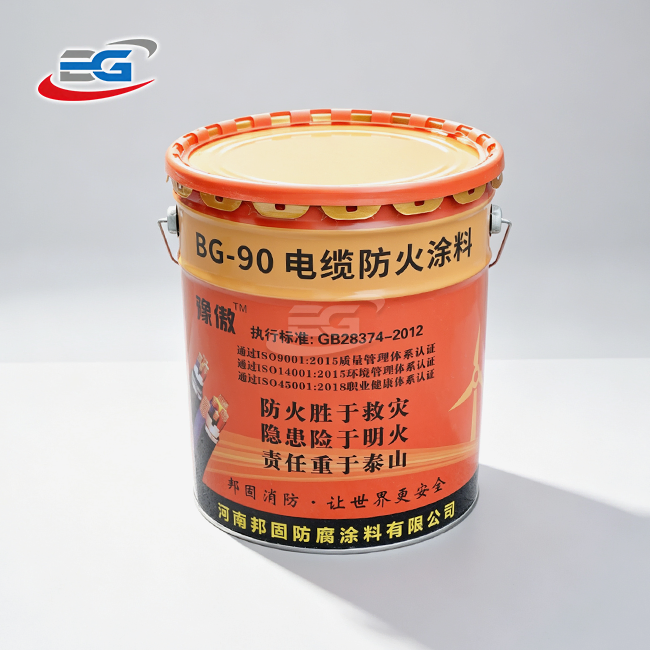 VIEW MOREFireproof paint for electrical cable
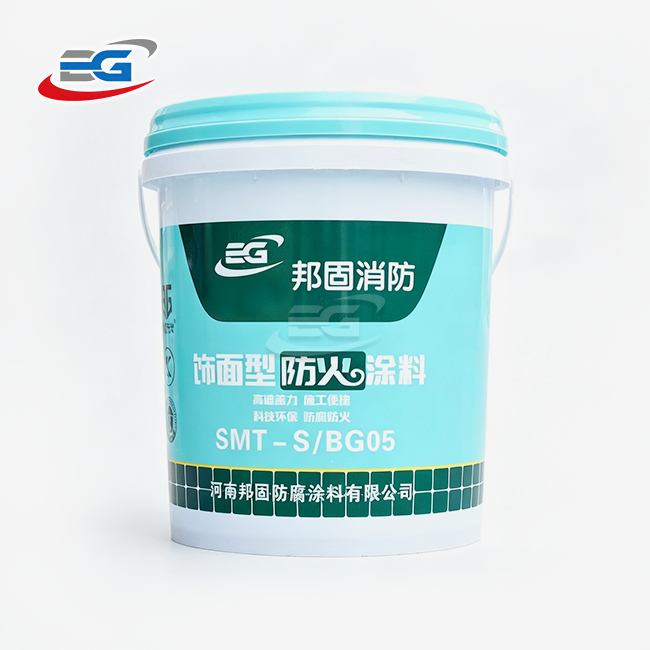 VIEW MOREFinishing fire retardant coating
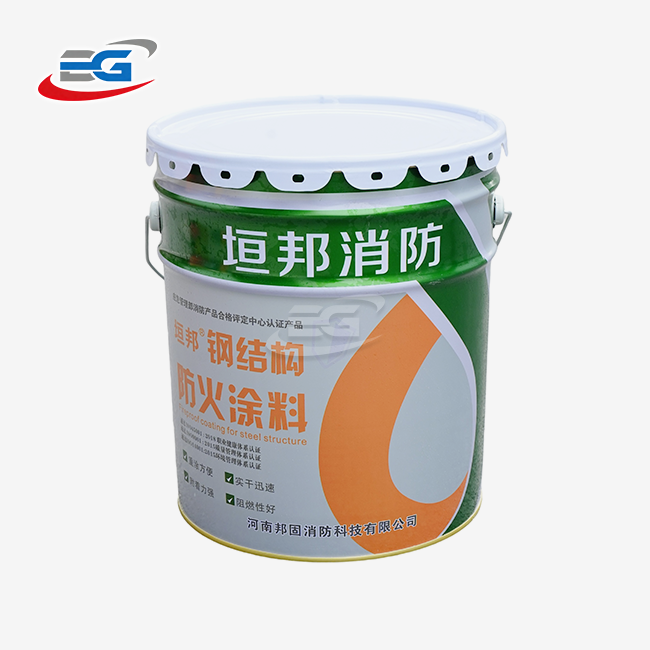 VIEW MOREOutdoor intumescent fire retardant coating for steel structure
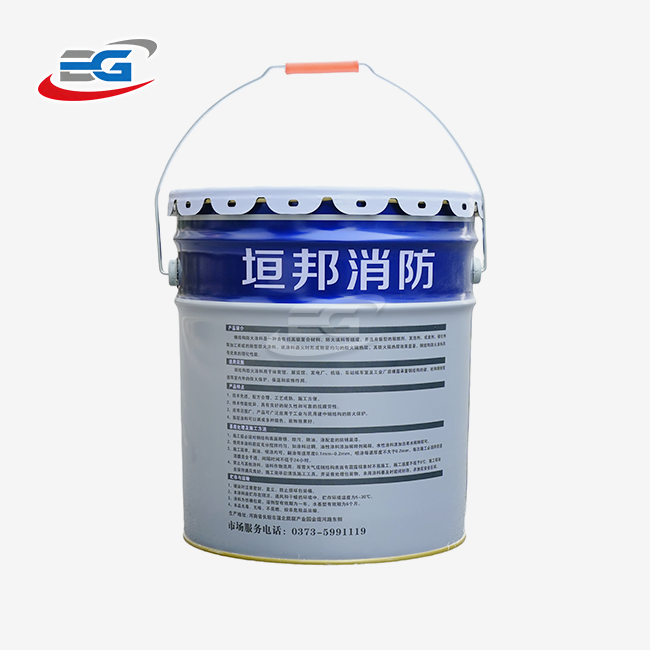 VIEW MOREFire Resistant Coating for Steel Structures
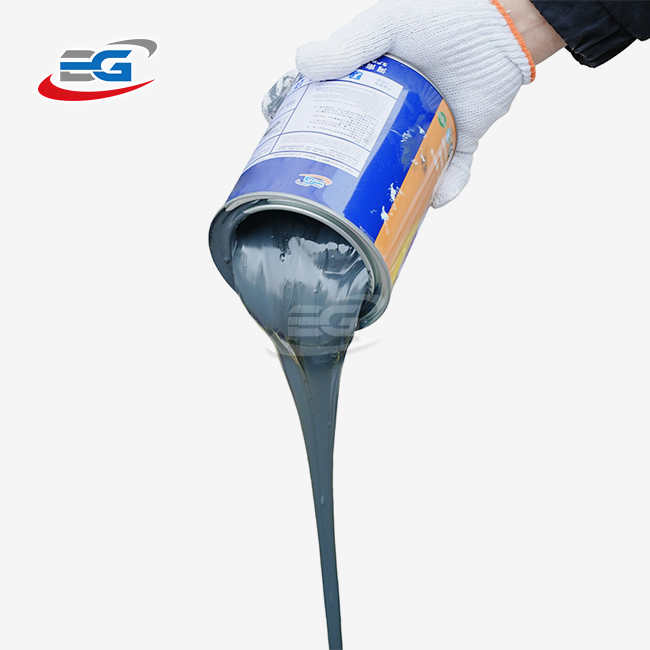 VIEW MOREfireproof coating for buildings
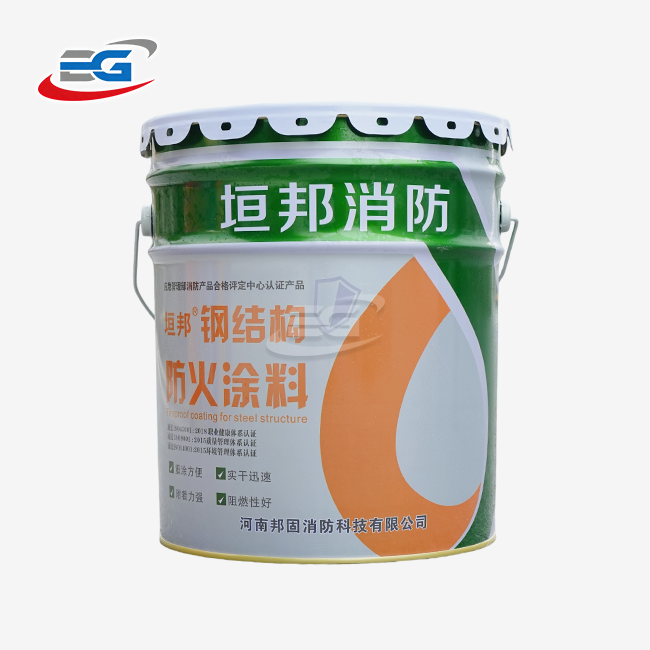 VIEW MOREhigh temperature fireproof coating
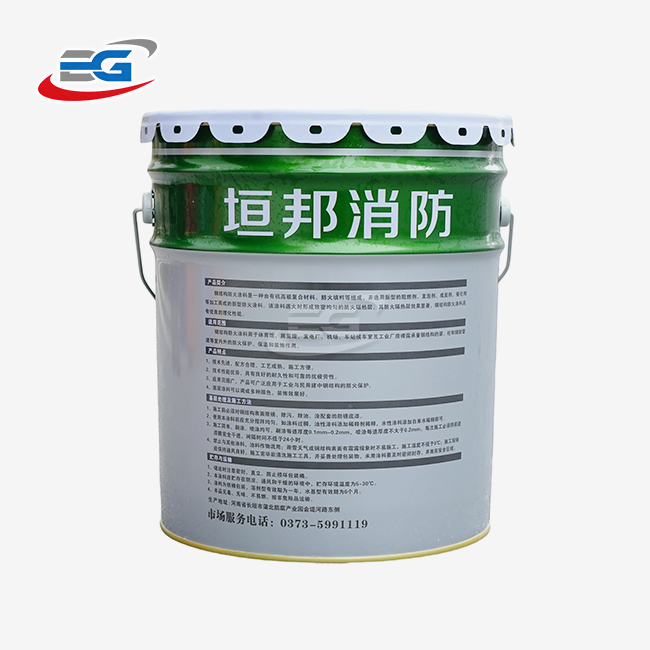 VIEW MOREheat resistant fireproof coating
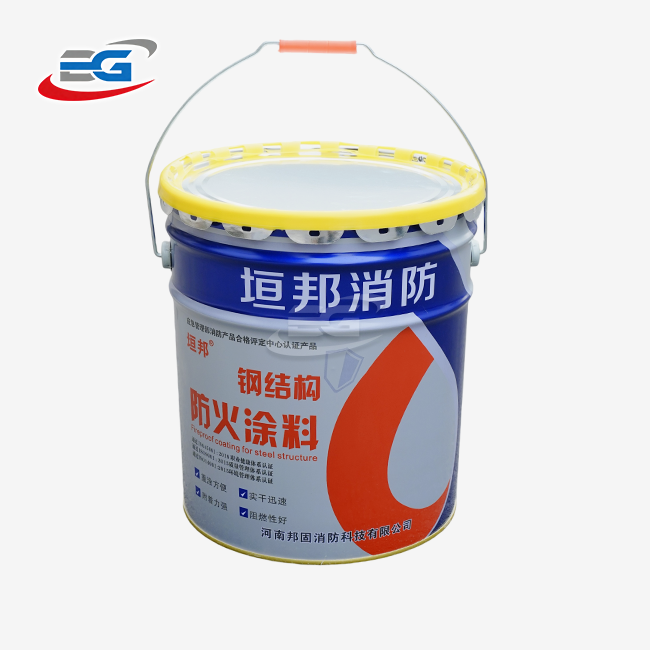 VIEW MOREintumescent fireproof coating