



How to Choose a Fire Retardant Paint Supplier for Electrical Cables
Choosing the right fire retardant paint for electrical cables supplier for electrical cables is one of the most consequential decisions an electrical engineer or EPC procurement team will make on any project. The wrong coating can crack under thermal expansion, fail adhesion tests on XLPE jackets, or arrive without the certifications your inspector requires. The right supplier delivers a tested, halogen-free cable fire protection coating with documented fire resistance, a clear technical data sheet, and the logistical capacity to meet your project timeline. This guide walks you through every factor that matters before you sign a purchase order.
Understanding Fire Retardant Paint for Electrical Cables
Before looking at different suppliers, it's helpful to know what you're getting and how it differs from other passive fire safety goods.
What the Coating Actually Does?
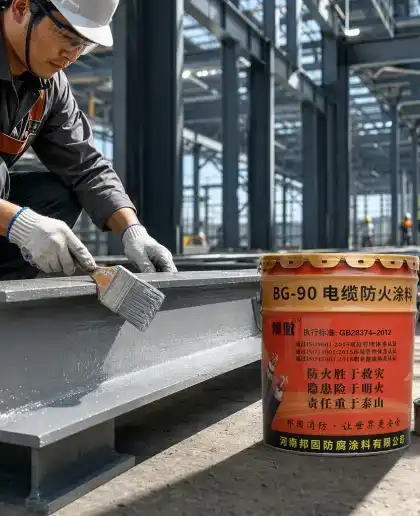
Whether they are intumescent or ablative, cable fire protection coatings put up a thermal barrier right on the cable jacket. When the temperature reaches a certain level, an intumescent formula grows 10 to 50 times its original size. This creates a stable layer of carbonaceous char that slows heat transfer and stops the flame from spreading longitudinally. This stops the well-known "chimney effect" that happens when fire rushes up through tightly packed trays in vertical cable shafts.
How It Differs from Wraps and Tapes?
Fire-rated tapes and wraps and intumescent tapes protect specific areas where wires or connections are made. A liquid cable fire protection coating, on the other hand, goes over the whole cable run, including cable trays, duct banks, and tube installations, and doesn't make the cables heavier or change their shape. For big jobs that need a lot of covering (measured in metric tons), applying liquid with a brush or airless spray is much cheaper and can cover odd-shaped bundles that wraps can't.
Key Performance Parameters to Verify
If you want to specify a fire retardant paint for electrical cables, it needs to have data that has been tested independently against well-known standards like UL 1581, GB 28374, or IEC 60332-3 (flame spread on bunched cables). The Banggu Fanghuo cable series has an FV-0 flame retardant grade, a flame spread ratio of ≤25, and a fire resistance time of ≥90 minutes. For water-based formulations, the VOC content is as low as 120 g/L, which makes confined-space installation possible and in line with indoor air quality standards.
Defining Your Procurement Needs: Critical Factors When Choosing a Supplier
It saves weeks of back-and-forth during technical evaluation to have a clear specification before reaching out to vendors.
Cable Type and Jacket Compatibility
Not every covering sticks to every clothing material the same way. There is a difference in the surface energy of PVC, polyethylene, and XLPE. Make sure that the supplier's technical data sheet (TDS) has test results for adhesion on the type of jacket you have. If a coating cracks during a ≤1 mm mandrel bend test, there is a compatibility issue that needs to be fixed before installation starts.
Environmental and Application Conditions
Temperature, relative humidity, and the condition of the substrate are more important than many buyers think. For Banggu Fanghuo's water-based wire coating to work, the material must be at least 3 °C above the dew point and the temperature must be between +5 °C and +40 °C. The relative humidity must be below 85%. An extra UV/weather-resistant topcoat is needed for outdoor wire runs that will be exposed for more than five years. This is a specification item that should be in your RFQ.
Certification and Documentation Requirements
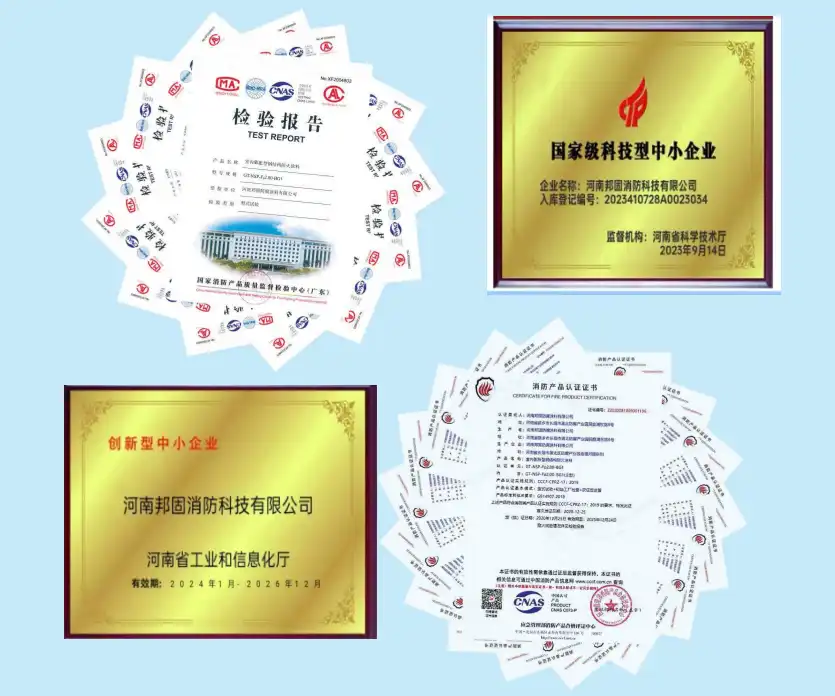
A lot of EPC projects in Southeast Asia, the Middle East, or Africa need CE marking, approval from the local fire department, and TDS and application guides written in English. Make sure the seller has at least ISO 9001, ISO 14001, and ISO 45001 certifications. Also, ask them directly if they can provide project-specific test results or letters from authorities with jurisdiction (AHJs). Gaps in the documentation are the main reason why project sign-off is delayed.
Comparing Fire Retardant Paint Suppliers: Metrics That Matter
Once you have a clear specification, you can use four measured factors to compare providers.
A supplier's claims about a product don't mean much unless they are checked by someone else. Here are the main factors you should look at in your evaluation:
- Batch consistency and adhesion: Request third-party CMA/CNAS laboratory reports confirming that production-line samples match the certified formulation. Adhesion should be tested on the actual jacket substrate you are using, not a generic steel panel.
- Coverage rate and film build: Efficient coatings deliver a dry film thickness of 0.5–1 mm at a coverage rate of 0.5–0.8 kg/m², reducing material cost per linear meter of cable. Ask for coverage efficiency data, not just a unit price.
- Supply chain capacity: A supplier quoting multi-ton project volumes must demonstrate factory inventory, lead-time commitments, and a track record of on-time delivery. Request references from comparable projects.
- After-sales and field support: Suppliers who provide on-site technical guidance and construction supervision reduce the risk of uneven application in dense cable groups — a documented field problem that directly undermines coating performance.
When you compare providers based on these four factors instead of just unit price, you can avoid the hidden costs of rework, failed checks, and delayed launching.
How to Apply Fire Retardant Paint on Electrical Cables: Best Practices
It is the right way to apply a fire retardant paint for electrical cables treatment that determines whether it works well or not. Even the best product won't work if it's not used right.
Surface Preparation
Get rid of all the oil, dust, and moisture on the cable jacket by cleaning it well. Any contamination weakens adhesion and makes delamination happen too soon during heat cycles. For low-surface-energy jackets like XLPE, you may need a prep that the seller suggests.
Layering and Drying Schedule
Use a brush, roller, or airless spray to put on two to three coats. Let the area dry for one to two hours between coats. It takes 24 hours for the paint to fully cure. After four hours, it's safe to coat again. Applying thick single coats quickly slows down the process, traps solvent, leads to burning, and lowers the performance of the intumescent.
Confined-Space Safety
For cable tunnels and vertical shafts that don't have a lot of air flow, water-based formulas with VOC ≤120 g/L are best. Solvent-based versions are a type of flammable liquid (UN12663 Class 3) that needs strict hot work permits and forced ventilation. Not only should you match the recipe to the wire type, but also to the work area.
Why Choose Trusted and Certified Fire Retardant Paint Suppliers?
Suppliers who can help a project through review are able to do so because they have the right experience and background checks.
Depth of Certification
Banggu Fanghuo supplies fire retardant paint for electrical cables certified by CE and FDA and also has ISO 9001 (quality), ISO 14001 (environment), and ISO 45001 (occupational safety) marks. Most project owners in the Middle East, Southeast Asia, and Africa can meet the regulatory requirements with this stack of certifications. Buyers don't have to do any extra third-party audits.
Manufacturing Capability and OEM/ODM Flexibility
Banggu Fanghuo has been making coatings for more than 30 years and has full production lines in Changyuan City, Henan, which is known all over China for making anti-corrosion and fire protection products. The company offers both OEM and ODM services for EPC contractors who need private-label goods or formulations that are specific to the project. This lets buyers choose changes to the formulation, package formats, or custom branding without giving up control of the product.
Long-Term Supplier Relationship Value
Adding a qualified provider to the list doesn't mean the review is over; it's just the start of a relationship that will last for many projects. Suppliers who help with pre-sales specifications, construction supervision, and maintenance suggestions after delivery lower the overall cost of the project over the entire lifecycle of the asset, not just the item on a single purchase order.
Conclusion
When looking for a fire retardant paint for electrical cables supplier, you should look for four things: performance data that has been checked, compatibility with your cable jackets and site conditions, full certification documentation, and a supplier that can see your project through to the end inspection. Price is important, but it shouldn't be looked at in isolation. Instead, it should be compared to the amount of covering and the overall risk of the project. Banggu Fanghuo has been making coatings for 30 years and is currently certified by ISO, CE, and FDA. This lowers the risk of buying things for both domestic and international projects.
FAQ
Does cable fire protection coating affect electrical insulation?
No. When applied at the specified dry film thickness of 0.5–1 mm, Banggu Fanghuo's coating does not affect the dielectric properties of the cable jacket. Independent tests confirm that electrical conductivity and insulation resistance remain within cable manufacturer specifications.
Is water-based formulation suitable for outdoor cable trays?
Water-based coating handles indoor and protected environments well on its own. For outdoor cable runs exposed to UV and weather for more than five years, apply a compatible UV/weather-resistant topcoat over the fire protection layer. The supplier's TDS will specify which topcoat is compatible.
What certifications should I require in an RFQ?
At minimum, request ISO 9001, a CMA or CNAS fire resistance test report citing IEC 60332-3 or equivalent, and an English-language TDS. For projects in the Middle East or Southeast Asia, also ask for CE documentation and any local fire authority acceptance records the supplier has on file.
What is a typical lead time for a bulk project order?
From confirmed order to first shipment, expect four to eight weeks for standard formulations, depending on order volume and destination port. Banggu Fanghuo holds both land transport and sea transport permits, which reduces customs preparation time for export shipments.
How do I store the coating on-site?
Store in a ventilated area between 5 °C and 45 °C. Water-based and solvent-based variants each carry a 12-month shelf life; cement-based variants carry six months. Keep solvent-based products away from ignition sources — they are classified UN1263 Class 3 flammable liquid.
Connect with Banggu Fanghuo for Your Next Project
Banggu Fanghuo sells certified fire protection coatings for cables to building firms and EPC teams all over the world. Our products are ready for technical evaluation right now. They are fire resistant for at least 90 minutes, have a VOC level as low as 120 g/L, and have full ISO/CE certification. You can email our team at admin@bgfireproof.com to get a product sample, an English TDS, or bulk price as a maker of fire-resistant paint for electrical cables. Within one work day, our tech team gets back to you.
References
1. International Electrotechnical Commission. IEC 60332-3: Tests on Electric and Optical Fibre Cables Under Fire Conditions – Flame Spread. IEC, 2018.
2. Underwriters Laboratories. UL 1581: Reference Standard for Electrical Wires, Cables, and Flexible Cords. UL Standards, 2021.
3. National Fire Protection Association. NFPA 70: National Electrical Code. NFPA, 2023.
4. Society of Fire Protection Engineers. SFPE Handbook of Fire Protection Engineering. 5th ed., Springer, 2016.
5. FM Global. FM Approval Standard 3971: Approval Standard for Fire Retardant Coatings. FM Global, 2017.
6. Standards Australia / Standards New Zealand. AS/NZS 1530.3: Methods for Fire Tests on Building Materials and Structures – Simultaneous Determination of Ignitability, Flame Propagation, Heat Release, and Smoke Release. SAI Global, 2020.

USER EVALUATE
Here is the customer's evaluation of us
YOU MAY LIKE
 VIEW MOREFire retardant coating for cable eco-friendly
 VIEW MOREFlame retardant coating for cable
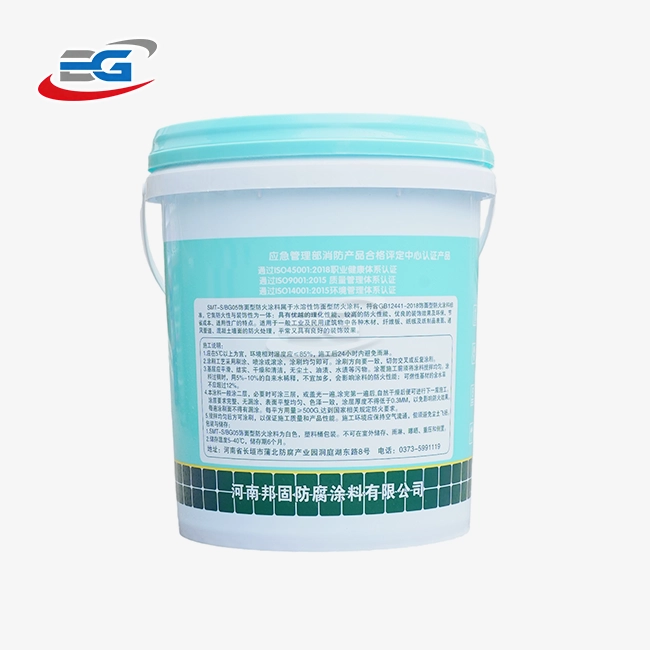 VIEW MOREFire resistant decorative coating
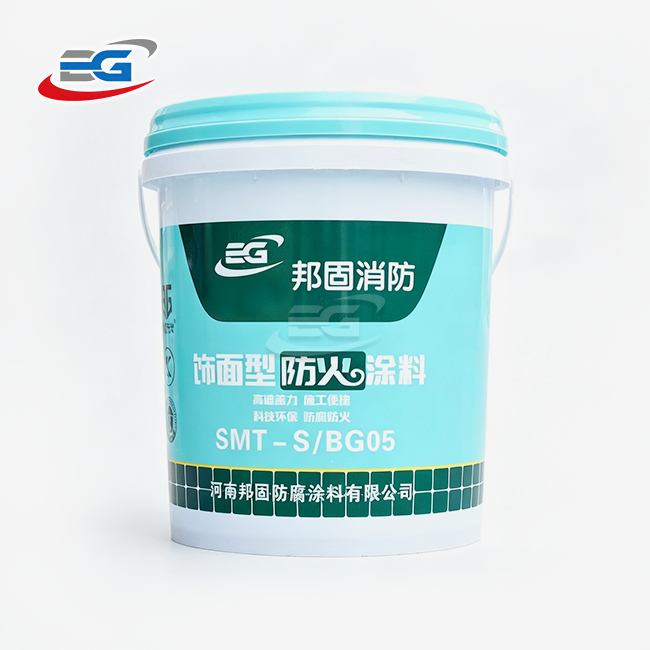 VIEW MOREFinishing fire retardant coating
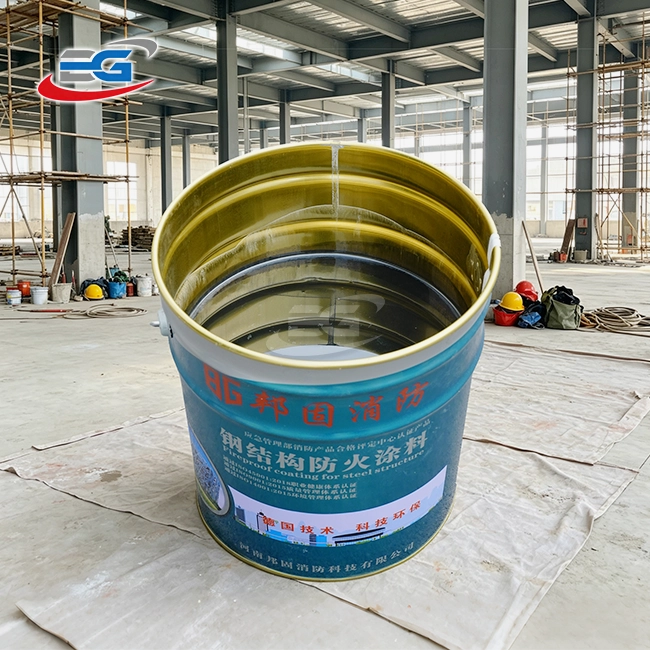 VIEW MOREFireproof Coating for Steel Structures non-toxic
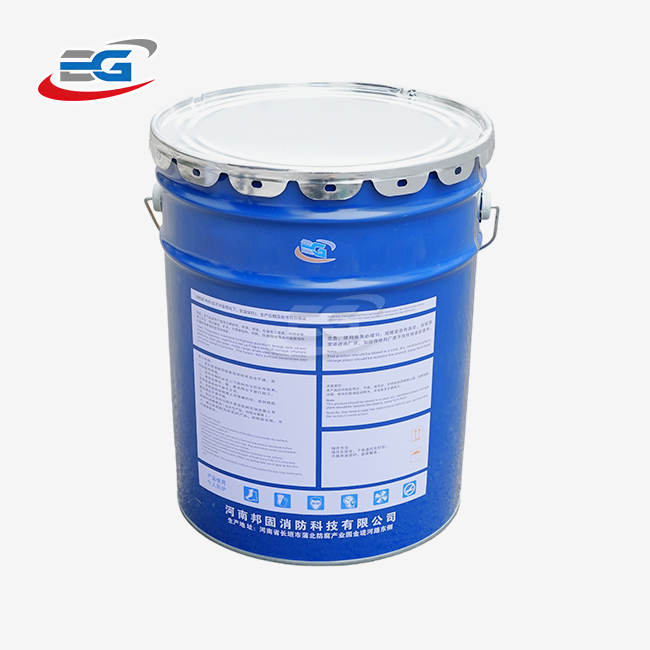 VIEW MOREFireproof Coating for Steel Structures eco-friendly
 VIEW MOREFire Retardant Coating for Steel Structures
 VIEW MOREfire retardant coating