



Which Finishing Type Fire Resistant Coating Meets Building Codes Today?
If you manage coating procurement for commercial interiors or distribute decorative fire protection products, you already know the pressure: inspectors want documentation, owners want aesthetics, and schedules leave no room for re-work. A properly specified finishing type fire resistant coating addresses all three demands at once. It delivers a decorative, smooth surface on steel, wood, and gypsum board substrates while meeting ASTM E84, UL 263, and EN 13501 benchmarks. Banggu Fanghuo's steel-structure series holds fire resistance ≥2.2 h at temperatures up to 1200 ℃, with adhesion grade 0 and a service life exceeding ten years.
Understanding Finishing Type Fire Resistant Coatings and Building Code Requirements
What These Coatings Actually Do?
A fire-resistant coating that looks nice is an example of a thin-film functional material. When the temperature reaches a certain level, the intumescent chemistry starts a reaction that turns the substrate into char. This keeps oxygen and flame spread from reaching the substrate. This creates a safe carbon layer that gives people time to get out of the building without adding the weight of board-based fireproofing.


Key Code Benchmarks in the U.S. Market
Three standards make up most of the requirements for business projects. Flame spread index (FSI) and smoke developed index (SDI) are measured by ASTM E84 (UL 723). For a Class A rating, FSI must be less than 25 and SDI must be less than 450. UL 263 talks about how fire-resistant systems are. Even though EN 13501-1 is European, it is being used more and more in LEED and international projects. Before you define any goods, you should first find out which standard your authority having jurisdiction (AHJ) needs.
Fire Rating Classes and Coating Thickness
The rating class and the dry film thickness are linked. For wood to achieve a Class A rating, it usually requires application at a specific gram-per-square-meter level, which can be verified through a laboratory test report. Thicker films generally provide longer fire protection performance, but they also increase costs and require longer drying times. Banggu Fanghuo's finishing type fire resistant coating for steel structures provides fire resistance of ≥2.2 hours at the tested dry film thickness. This gives project managers a clear and reliable basis for developing coating specifications and selecting suitable fire protection systems.
Types of Finishing Fire Resistant Coatings: Features, Benefits, and Limitations
Intumescent Coatings — The Industry Standard
When heated, intumescent fire-resistant coatings expand and create a char layer with low conductivity. For color, they take topcoats well and don't add much weight to the structure. They stick well to steel and wood. On the other hand, damage from mechanical forces or water can weaken the intumescent layer, so it is suggested that it be checked on a regular basis.
Cementitious and Silicate-Based Alternatives
Cementitious coatings are fireproof because they use Portland cement binders and can't catch fire. They are cheap to use on big pieces of industrial steel, but the rougher surface roughness makes them unsuitable for steel that will be seen in public places. When compared to thin-film intumescent choices, silicate-based goods don't look as good, but they stick better to concrete masonry.
Fire Retardant Paints vs. Fire Resistant Finishing Coatings
People often get these two types of products mixed up. Fire retardant paints make it harder for flammable materials to catch fire, but they usually don't make a structure more fire resistant. When used at the right thickness and confirmed by a third party, fire-resistant finishing coatings help make an assembly that meets UL 263 or similar standards. Verified fire resistant coatings are the right choice for business projects that need to follow the rules.
Evaluating Finishing Fire Resistant Coatings for Compliance and Performance
Certification and Documentation Requirements
Before you buy a lot of something, make sure that it comes with clear third-party test results that are in line with the project's governing code. The NFPA 101 Life Safety Code says that materials used in occupied buildings must meet certain standards for flame spread and have proof of this. Banggu Fanghuo has ISO 9001, ISO 14001, ISO 45001, and CE certifications. They can also provide fire test reports that meet the documentation needs of inspectors and AHJs.
Environmental Compliance and VOC Levels
Most commercial projects in the U.S. no longer let you choose not to use low VOC formulations. A lot of places follow South Coast AQMD Rule 1113, which limits the amount of VOC that can be in building paints. The water-based finishing layer from Banggu Fanghuo has a VOC level of 120 g/L, which is well below the standard. The solvent-based version has a VOC level of 650 g/L. Both grades don't have any heavy-metal pigments, which helps healthy building certifications.
Total Cost of Ownership
When procurement teams compare prices per liter, they often overlook key factors such as coverage rate, recoating cycles, and service life. Banggu Fanghuo's finishing type fire resistant coating provides coverage of 4–6 m²/kg and dries in less than 2 hours, helping reduce labor time and improve application efficiency per square meter. With a service life of at least 10 years, this finishing type fire resistant coating offers long-term cost advantages compared with lower-priced alternatives that may require more frequent maintenance and recoating.
Application Methods and Best Practices for Finishing Fire Resistant Coatings
Surface Preparation for Steel Substrates
Before the finishing coat is put on, the steel must be degreased to Sa 2.5 (near white blast) according to ISO 8501-1 and coated with an epoxy or zinc-rich primer that works with it. The temperature of the substrate must stay at least 3 °C above the dew point, and the temperature and humidity of the air should stay between +5 and +40 °C. One of the most common reasons why adhesion fails in the field is that primer compatibility checks were skipped.
Spray Application and Leveling
For steel structure projects, airless spray is best because it makes a smooth film at the tested dry film thickness. The brush and roller method works well for touch-ups or places that are hard to get to. Banggu Fanghuo's formula thins out quickly after spraying, making orange-peel texture less noticeable on structural members that can be seen, like exposed ceiling beams in hotel lobbies or office atriums.
Maintenance, Inspection, and Outdoor Considerations
The paint works well without a UV topcoat in enclosed indoor places. A UV- and weather-resistant finish coat is needed on steel that will be outside or in any other place that will be exposed to weather for more than five years to keep it from chalking and losing its stickiness. Keep the product in a well-ventilated area between 5 and 45 °C for 12 months for water- and solvent-based types and 6 months for cement-based types. Visual checks once a year can help find technical problems before they affect how well the fire works.
Making the Right Procurement Choice: A Guide for B2B Buyers
How to Evaluate Suppliers Before Committing?
Before you place an order, ask for a sample color card and a report from a lab that tests for fire safety. Make sure the supplier can give you a Safety Data Sheet (SDS) that follows GHS guidelines and correctly classifies the product. Water- and cement-based versions are not dangerous, but solvent-based versions are flammable liquids UN1263 Class 3 and need the right shipping paperwork.
OEM and ODM Flexibility for Distributors
A manufacturer that offers both OEM and ODM paths is good for regional decorative coating brands that want to add fire-rated SKUs. In an OEM deal, the factory makes the product according to the recipe and instructions given by the brand owner. Under ODM, the factory sends the brand owner a tested, market-ready recipe that they then package under their own name. Banggu Fanghuo allows for small-batch color samples and quick turnaround, which lowers the risk for wholesalers who want to get into the finishing fire retardant market.
Procurement Strategy: Sampling, Bulk Ordering, and Lead Times
This is how a real purchase flow works: Ask for a color card and a sample; check the mock-up on the real substrate; confirm the fire test data with the project's AHJ; and then send out the first order. Most of the time, first-order wait times are between two and six weeks. For projects that need to be done quickly, make sure that the materials are in stock before setting the final schedule. When you order in bulk, the cost per unit goes down and logistics are made easier, especially if you can choose between land and sea freight.
Conclusion
Finding the right fire-resistant coating for steel buildings means making sure that the product meets code standards, that it has been certified by a third party, and that it doesn't harm the environment before the purchase is made. Banggu Fanghuo's finishing type fire resistant coating for steel buildings has a service life of more than ten years, a fire resistance of 2.2 hours, an adhesion grade of 0, and a VOC level of 120 g/L (water-based). It is certified by ISO 9001, ISO 14001, and CE. These technical anchors take the guesswork out of the design process, whether you are a coating contractor, a project manager planning the fit-out of a hotel, or a dealer looking for a tried-and-true OEM product.
FAQ
What is the difference between a fire resistant coating and a fire retardant paint?
A fire retardant paint keeps surfaces from catching fire more slowly, but it doesn't add to the fire resistance of an assembly. A finishing coat that is fire resistant and has been tested under ASTM E84 or UL 263 meets certain flame spread and fire resistance standards that are accepted by building codes.
How thick does a finishing fire resistant coating need to be on steel?
The dry film thickness that is needed is based on the steel section factor, the fire resistance period that is wanted, and the test report from the manufacturer. Banggu Fanghuo's steel-structure layer lasts for 2.2 hours at the thickness that was tried. Always use the tested method suggested by the manufacturer; using a thinner film than what is recommended will void the fire rating.
Can one coating work on both steel and wood substrates?
For steel assemblies, fire-resistant coatings for steel structures are developed and tested. Coatings for wood and other flammable materials need to be tested using different methods, like ASTM E84, to see how they burn on the surface. Check with the seller to make sure the substrate is compatible, and always look at the test proof that goes with it.
Does high humidity affect the coating's fire performance?
Too much water during or after application can change the way the intumescent chemistry works and make it harder to stick. Use only when the relative humidity in the air is less than 85% and the substrate temperature is at least 3 °C higher than the dew point. For long-term security in wet areas, it's best to use a sealer or topcoat that is suitable.
Partner with Banggu Fanghuo for Certified Fire Protection Solutions
Commercial contractors, fit-out companies, and OEM distributors around the world buy finishing type fire resistant coating from Banggu Fanghuo. Every batch comes with ISO 9001, ISO 14001, and CE certifications, as well as more than 30 years of experience making coatings. We offer buying teams confirmed paperwork and a range of order sizes. Today, ask for a color card, a sample set, or a quote from a supplier of bulk finishing type fire resistant coating. To start your question, email us at admin@bgfireproof.com.
References
1. ASTM International. ASTM E84: Standard Test Method for Surface Burning Characteristics of Building Materials. ASTM International, 2023.
2. National Fire Protection Association. NFPA 101: Life Safety Code. NFPA, 2021.
3. Underwriters Laboratories. UL 263: Fire Tests of Building Construction and Materials. UL Standards, 2022.
4. European Committee for Standardization. EN 13501-1: Fire Classification of Construction Products and Building Elements. CEN, 2018.
5. South Coast Air Quality Management District. Rule 1113: Architectural Coatings. SCAQMD, 2019.
6. International Organization for Standardization. ISO 8501-1: Preparation of Steel Substrates Before Application of Paints and Related Products. ISO, 2007.

USER EVALUATE
Here is the customer's evaluation of us
YOU MAY LIKE
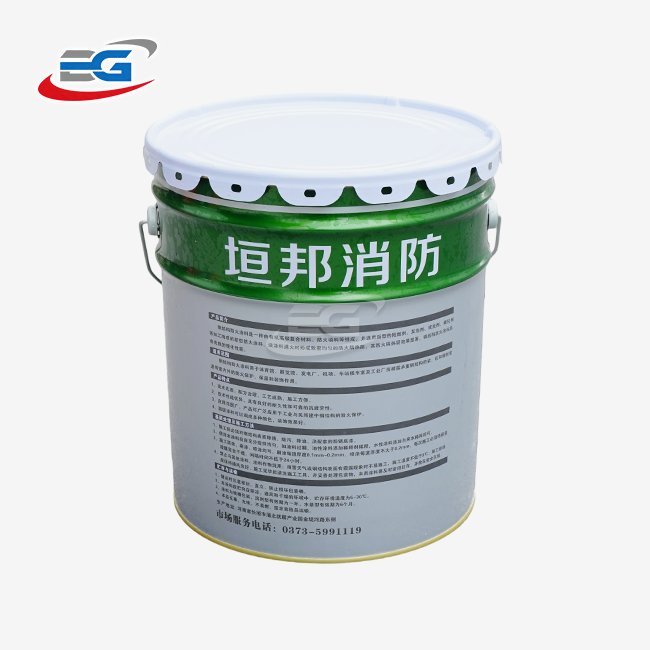 VIEW MOREWater-based fire retardant coating for steel structure
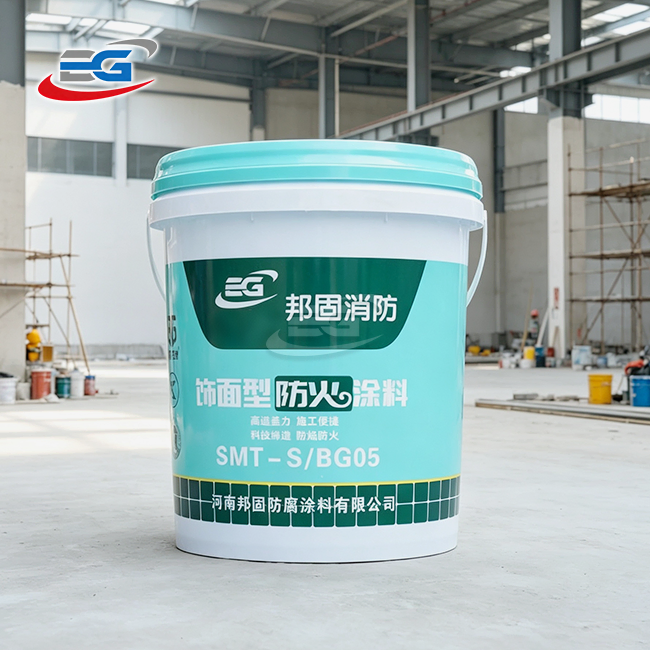 VIEW MOREFinishing type fire retardant coating for ceilings
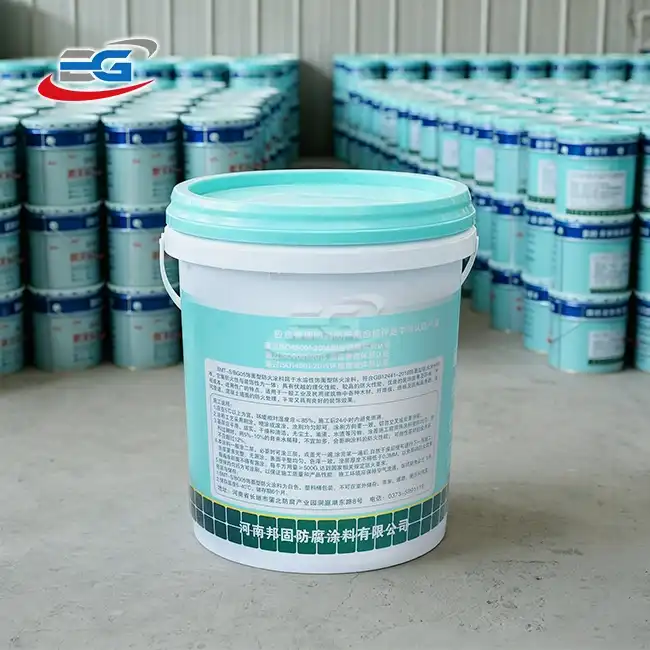 VIEW MOREFire Retardant Coating with Smooth Finish
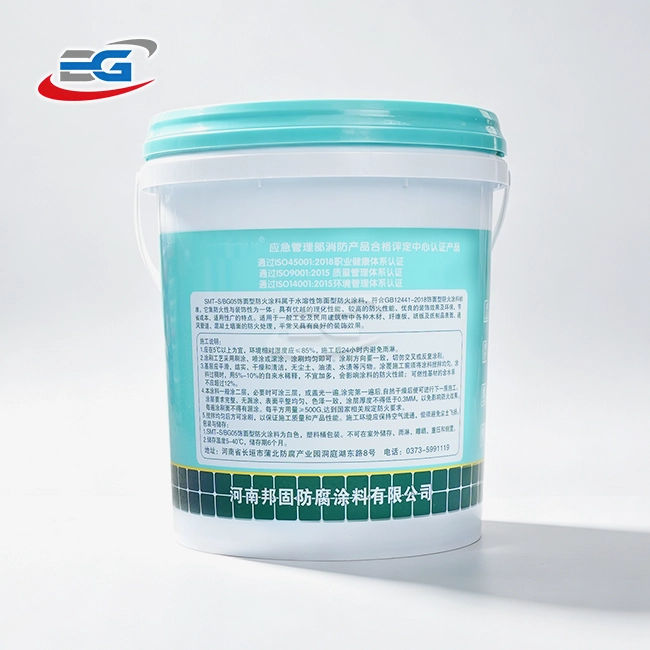 VIEW MOREInterior finishing fire retardant coating
 VIEW MOREFireproof Coating for Steel Structures for steel columns
 VIEW MOREfireproof coating for walls
 VIEW MOREfireproof coating with certificate
 VIEW MOREnon-toxic fireproof coating