



Steel Structure Fireproof Coating Selection Guide for Buyers
Selecting the right steel structure fireproof coating is one of the most consequential decisions a procurement team or fireproofing subcontractor will make on any project. Carbon steel begins losing roughly 50% of its load-bearing capacity at around 538°C — meaning a building can reach structural failure within minutes of a fire event. The right intumescent or cementitious coating buys critical evacuation time, satisfies code requirements, and protects your project from costly rework. This guide walks through everything you need to evaluate, compare, and procure with confidence.
Understanding Steel Structure Fireproof Coatings
How These Coatings Actually Work
Steel fireproof coatings serve as a barrier of thermal insulation between the steel component and the fire environment. When exposed to heat, intumescent coatings expand significantly, creating a layer of carbonaceous char that delays the passage of heat to the substrate. In contrast, cementitious coatings capture and reroute thermal energy using a dense mineral matrix. Keeping the steel below its critical failure temperature for a predetermined amount of time—typically represented as a Fire Resistance Rating (FRR) ranging from 0.5 to 2.5 hours or longer—is the fundamental goal of both methods.


Coating Types and Where They Are Used
Applied at a dry film thickness of 1 to 5 mm, thin-film intumescent materials are suitable for exposed architectural steel in stadiums, hospitals, and high-rises where esthetics are important. The workhorses of heavy industrial environments, such as petrochemical factories, power plants, and long-span bridge trusses where strong insulation is required due to intense heat exposure and corrosive atmospheres, are thick-type or cementitious coatings, applied at 8 to 50 mm.
Compliance with standards cannot be compromised. Reputable items are certified against ISO testing standards, ASTM E119 (North America), GB 14907-2018 (China), and EN 13381 (Europe). For steel structure fireproof coating, purchasers who source from overseas should confirm that the steel section factor (Hp/A or W/D) that is pertinent to their project members is specifically covered by the certificate scope.
Key Criteria for Selecting Fireproof Coatings for Steel Structures
Price should never be the first consideration in the choosing process. It should start with the fire resistance specification provided by the structural engineer and proceed from there.
Before shortlisting a supplier, procurement professionals should use the following fundamental evaluation criteria:
- Fire resistance rating aligned to section factor: The required dry film thickness is not a flat number — it varies with the steel member's Hp/A value. Demand a thickness-versus-FRR data table from every supplier you evaluate, covering the 1.0 h, 1.5 h, 2.0 h, and 2.5 h thresholds for your actual steel sections.
- Substrate and primer compatibility: Coating delamination during fire testing — or worse, during a real event — often traces back to primer incompatibility. Confirm that the fireproofing layer has been tested with your chosen zinc-rich or epoxy primer system. The GB 14907 standard explicitly requires compatibility documentation.
- Application environment constraints: Banggu Fanghuo's products require an ambient temperature of +5 to +40°C, relative humidity ≤85%, and a substrate temperature at least 3°C above the dew point. Pushing application outside these windows is the leading cause of adhesion failure and film defects on site.
- Indoor versus outdoor exposure class: Indoor steel coatings are not UV-resistant. Any steel exposed to the elements or subject to weathering for more than five years requires a verified UV-stable topcoat system. Skipping this step voids most manufacturer warranties.
Aligning the fire resistance rating with the section factor: The necessary dry film thickness varies depending on the Hp/A value of the steel member. Ask each supplier you assess for a thickness-versus-FRR data table that covers the 1.0 h, 1.5 h, 2.0 h, and 2.5 h thresholds for your actual steel sections.
Primer incompatibility is frequently the cause of coating delamination during fire testing, or worse, during an actual incident. Verify that the fireproofing layer has been tested using the epoxy or zinc-rich priming system of your choice. Compatibility documentation is specifically required under the GB 14907 standard.
Constraints on the application environment: Banggu Fanghuo's products need a substrate temperature that is at least 3°C above the dew point, an ambient temperature of +5 to +40°C, and a relative humidity of ≤85%. On-site adhesion failure and film flaws are mostly caused by pushing application outside these timeframes.
Exposure class: indoor versus outdoor Steel coatings used indoors are not UV resistant. A proven UV-stable coating technique is necessary for any steel that has been weathered or exposed to the elements for more than five years. Most manufacturer warranties are worthless if this step is skipped.
Comparing Popular Fireproof Coating Solutions for Steel
Intumescent vs. Cementitious: A Direct Comparison
With a thin application profile and a clean, paintable finish, intumescent coatings don't increase the structure's measured dead load. They work incredibly well on trusses, beams, and columns in occupied buildings.

Water-Based vs. Solvent-Based Formulations
Although cementitious and thick-type steel structure fireproof coating are more expensive per kilogram to apply, they perform better in prolonged high-temperature situations, especially when exposed to hydrocarbon fires in industrial settings. They can reach FRRs of up to 2.5 hours with validated test data.

Water-based coatings are the best option for enclosed or occupied construction zones because they have a VOC level of ≤120 g/L and are safe to transport and store. Solvent-based systems (VOC ≤650 g/L, classed UN1263 Class 3 flammable liquid) are suitable for semi-exposed or high-humidity situations and offer superior moisture resistance during curing. Water-based and solvent-based goods have a 12-month shelf life, whereas cement-type formulations have a 6-month shelf life. Both formulations should be kept between 5°C and 45°C.
Procurement Tips for Buying Steel Structure Fireproof Coatings
Structuring the Supplier Evaluation Process
Experienced fireproofing contractors are aware that after rework, re-inspection costs, and schedule delays mount up, the lowest price per ton often results in the highest overall project cost. An accredited laboratory's complete test report covering your target FRR, a per-section-factor thickness table, a batch consistency record from recent similar projects, and documentation of any after-sales technical support provided during fire acceptance inspections should all be requested in a structured supplier evaluation.
For businesses carrying out several projects a year, bulk purchase under a framework agreement is common procedure. Batch-specific test reports should be negotiated as a contractual delivery need rather than an add-on. This provides your acceptance team with the necessary documentation trail and safeguards you throughout phased inspections.
Based in Changyuan City, China's acknowledged center for anti-corrosion production, Banggu Fanghuo has CE clearance in addition to ISO 9001, ISO 14001, and ISO 45001 certifications. The facility supports dependable just-in-time delivery for projects throughout North America and international markets by operating under both land transport and maritime freight permits. For businesses needing proprietary formulation modifications or branded packaging, OEM and ODM customisation is an option.
Application Methods and Maintenance for Effective Fireproofing
On-Site Application Best Practices
For large-scale steel structures, high-pressure airless spray continues to be the most effective application technique for steel structure fireproof coating, producing consistent film build throughout intricate beam, column, and lattice truss profiles. For touch-up tasks and regions with restricted access, brush and roller application are practical. Surface preparation, regardless of technique, is the single most important factor in coating adherence; the industry standard is blast-cleaned to Sa 2.5 (ISO 8501-1).
The coatings from Banggu Fanghuo have a thermal conductivity of ≤0.12 W/(m·K), a bonding strength of ≥0.15 MPa, and a compressive strength of ≥0.3 MPa. Depending on the type of steel section and necessary FRR, the applied dry film thickness might vary from 3 to 50 mm. Consumption ranges from 0.8 to 1.5 kg/m² per pass in theory. These numbers enable your estimators to accurately determine material amounts prior to placing the first order.
Although post-application maintenance is simple, it shouldn't be disregarded. At least once a year, perform visual examinations to check for topcoat deterioration, flaking, or cracking. The same authorized coating method should be used to spot-repair any mechanical damage that exposes the basic steel. To ensure ongoing weather resistance for outdoor applications, reapply or update the UV-protective finish coat before the five-year mark.
Conclusion
The choice of steel structure fireproof coating for steel buildings is a technical and business decision that directly affects project economics and safety results. Whether your acceptance inspection is successful on the first submission depends on the fundamentals: batch-verified quality documentation, primer compatibility, FRR matched to section factor, and application environment compliance. The main risk factors that result in rework are eliminated when those technical requirements are paired with a supplier who provides approved items, dependable logistics, and authentic on-site support. Create the documentation trail right away, start with the data, and select a qualified partner.
FAQ
How long does fireproof coating on steel structures typically last?
A high-quality fire-resistant coating system has a service life of at least ten years when properly applied and maintained. The quality of the substrate preparation, the ambient exposure conditions, and the maintenance of the designated topcoat system all affect longevity. The higher limit of that range is consistently reached by indoor applications in stable conditions.
Can fireproof coatings be applied on-site rather than in a controlled factory environment?
Indeed. After erection, most structural steel fireproofing is done on-site. The substrate temperature must be at least 3°C above the dew point, the ambient temperature must be between +5°C and +40°C, and the relative humidity must be at or below 85%. Adhesion failure is a concern when these conditions are not met.
What is the practical difference between water-based and solvent-based fireproof coatings?
For enclosed or populated construction sites, water-based formulations (VOC ≤120 g/L) are safer, have less odor, and don't catch fire. Stronger moisture resistance during curing is provided by solvent-based formulations (VOC ≤650 g/L), which are also more appropriate for high-humidity or semi-exposed environments. When used in accordance with the standard, both types provide comparable FRR performance.
Partner With Banggu Fanghuo for Your Next Steel Fireproofing Project
With temperature resistance up to 1100°C and fire resistance performance up to 2.5 hours, Banggu Fanghuo produces certified steel structure fireproof coating solutions supported by ISO 9001, ISO 14001, ISO 45001, and CE certificates. We offer batch test reports, project-specific thickness tables, and complete after-sales technical assistance as a reliable supplier of steel structure fireproof coating to international engineering contractors. For a quote or product sample, visit bgfireproof.com or contact our staff directly at admin@bgfireproof.com.
References
1. ASTM E119: Standard Test Methods for Fire Tests of Building Construction and Materials — ASTM International, 2023.
2. EN 13381-8: Test Methods for Determining the Contribution to the Fire Resistance of Structural Members — Reactive Coatings for Steel Members — European Committee for Standardization (CEN), 2013.
3. GB 14907: Fire Resistive Coatings for Steel Structure — Standardization Administration of China, 2018.
4. Fire Protection Engineering, 5th Edition — Society of Fire Protection Engineers (SFPE), 2016.
5. International Building Code (IBC): Fire-Resistance-Rated Construction — International Code Council (ICC), 2021.
6. ISO 834-1: Fire Resistance Tests — Elements of Building Construction — International Organization for Standardization, 1999 (reaffirmed 2020).

USER EVALUATE
Here is the customer's evaluation of us
YOU MAY LIKE
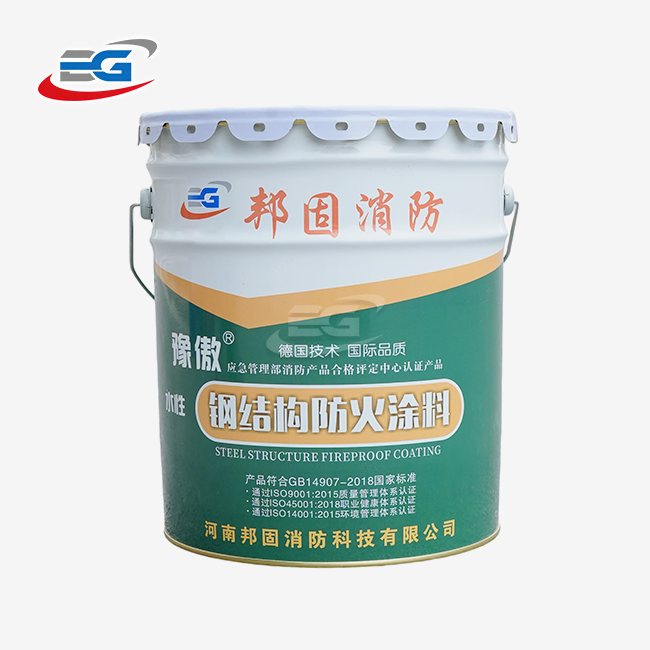 VIEW MOREfireproof coating for construction
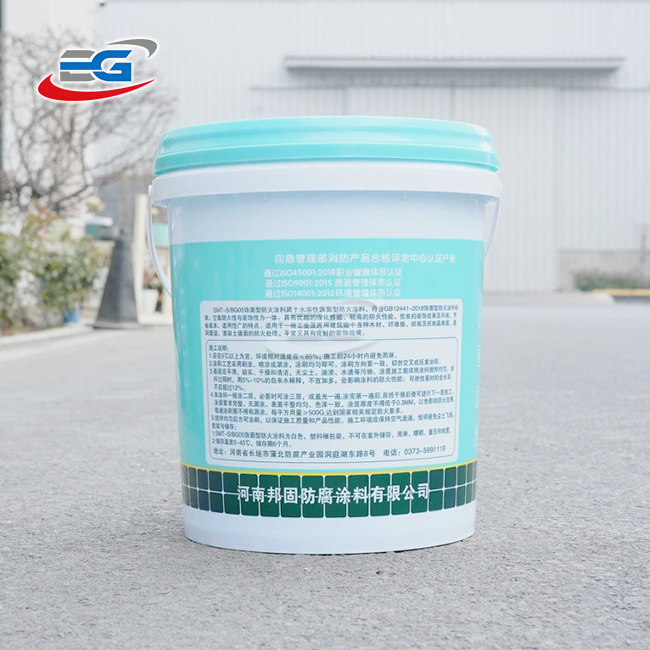 VIEW MOREFinishing type fire retardant coating for commercial buildings
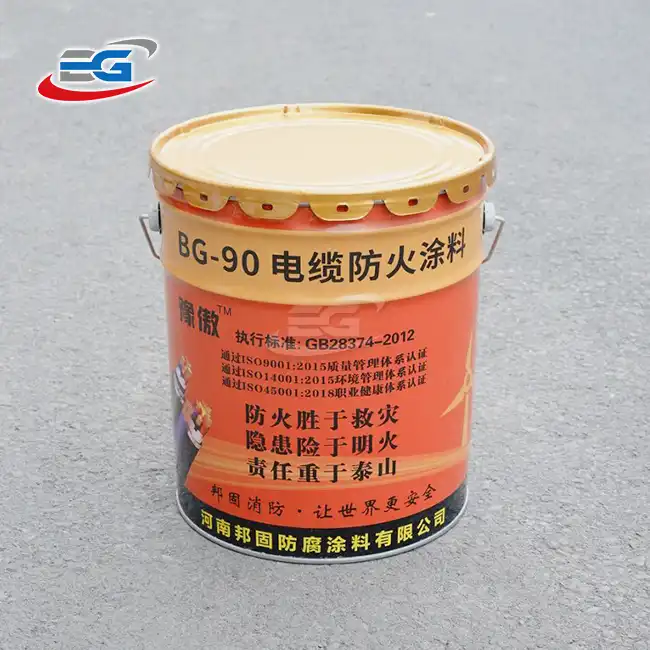 VIEW MOREFire retardant coating for cable long service life
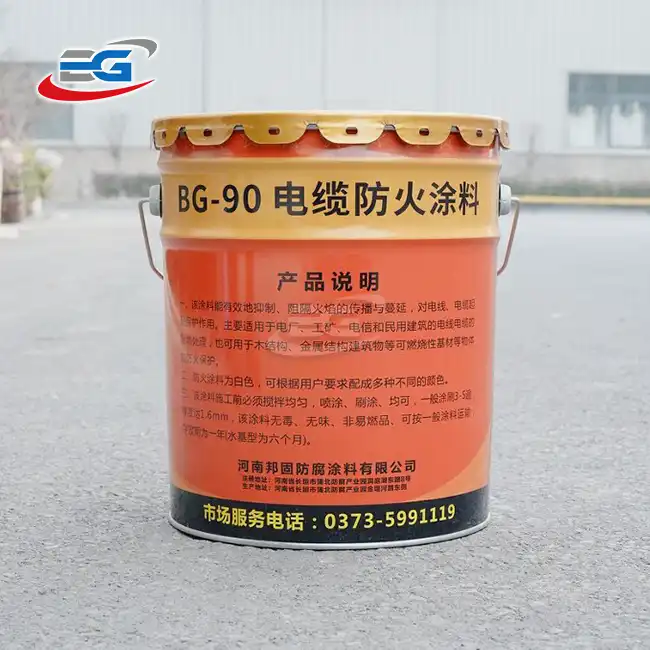 VIEW MOREFire retardant coating for cable halogen free
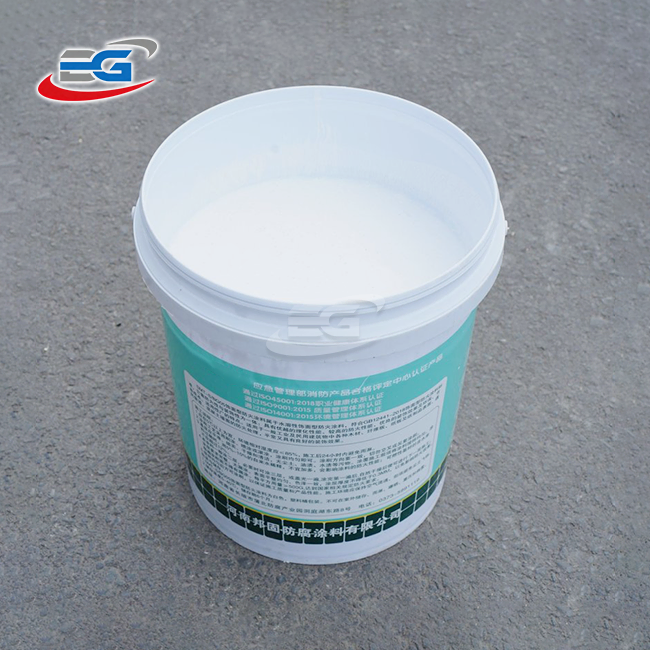 VIEW MORELong Service Life Finishing Type Fire Retardant Coating
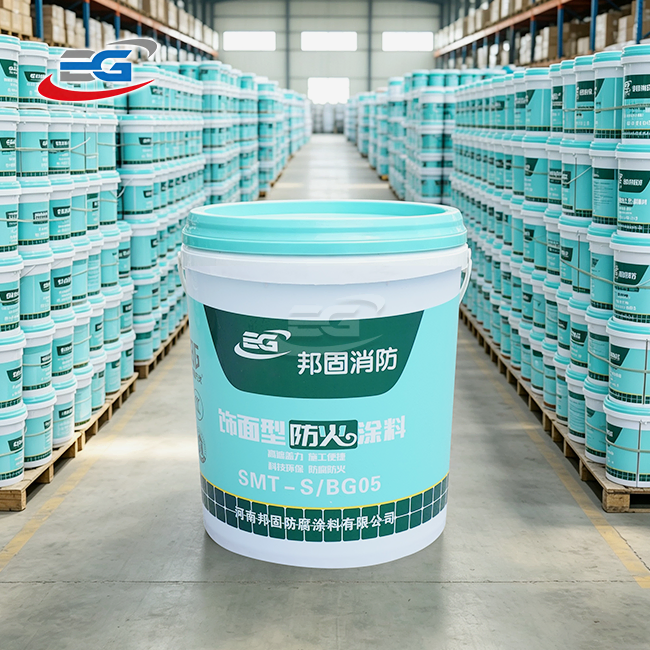 VIEW MOREFire retardant finish coating
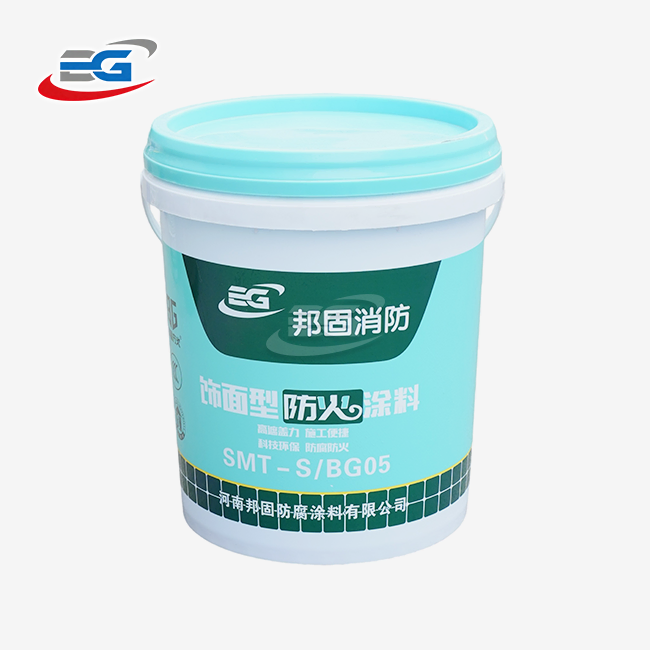 VIEW MOREDecorative fireproof coating
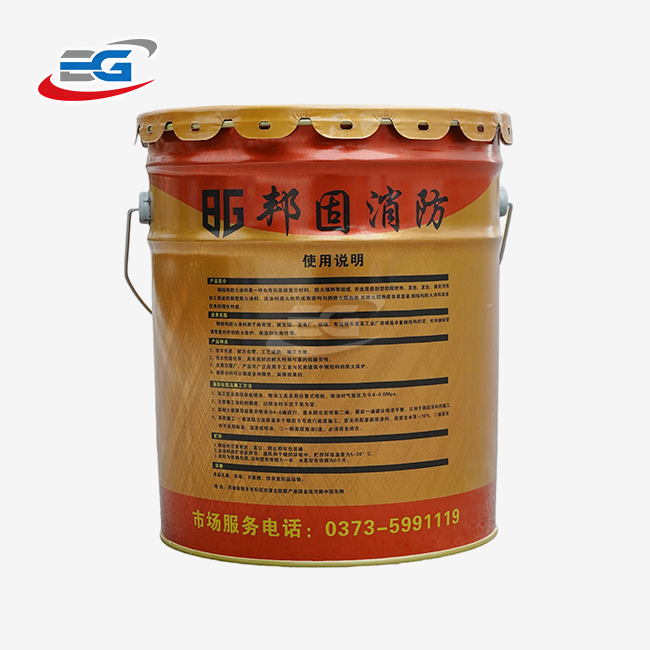 VIEW MOREFireproof Coating for Steel Structures high temperature resistant