



OEM Flame Retardant Coating: How to Choose a Reliable Supplier
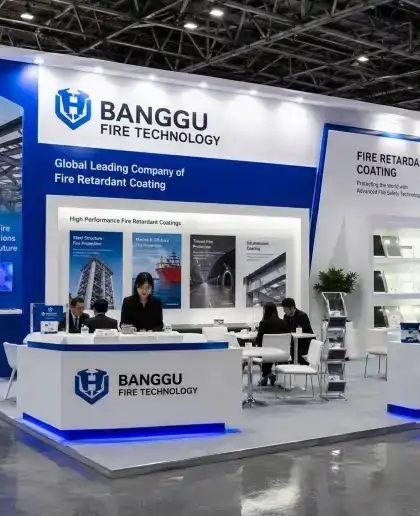
When sourcing an OEM flame retardant coating for your distribution network or construction projects, the supplier you choose directly determines whether your products pass local fire safety inspections—or fail them. A reliable supplier must offer full-series product coverage, verified certifications such as CCCF, ISO, and CE, stable batch consistency, and flexible OEM/ODM options. At Henan Banggu Fire Protection Technology Co., Ltd., we have spent over 30 years refining fire-protective formulations that form rapid char layers upon heat exposure, blocking oxygen transfer and slowing substrate ignition across steel structures, cables, and building materials.
Understanding Flame Retardant Coatings: Key Concepts for OEM Buyers
This is important before you compare suppliers: you need to know what these finishes do and which type is best for your needs.
How the Chemistry Works
A fire-resistant coating changes the burning process in at least three ways: endothermic decomposition, the release of inert gasses, or the formation of physical char. When heated, some kinds of intumescent material swell very much, sometimes by more than 40:1. This makes a carbonaceous foam layer that protects the substrate and slows structural failure.
Product Categories You Should Know
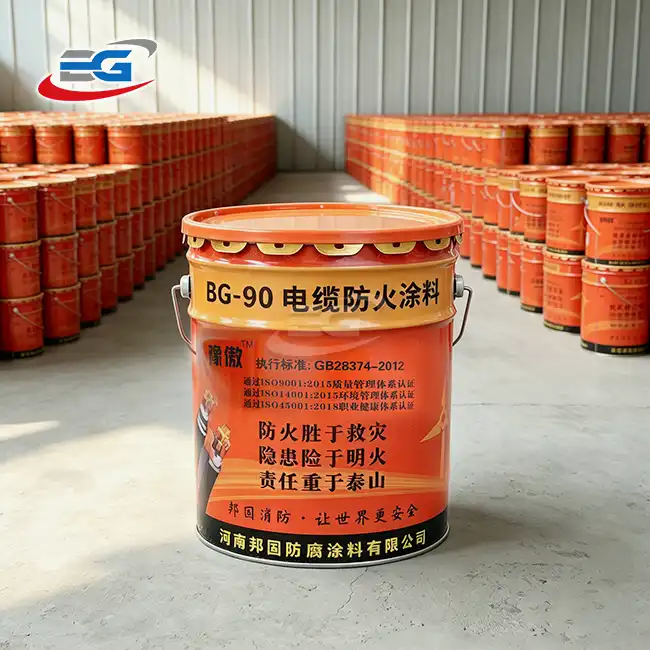
The main groups are intumescent steel-structure coatings (thin-film and thick-film), decorative surface coatings, wire fire-retardant coatings, and mixtures made for industry or building use. As per standards like ASTM E119, ASTM E84, and EN 13381, each group is meant for a different type of substrate, such as structural steel, wood, polymers, and wire bundles, and has its own fire-rating needs.
Certifications That Actually Matter
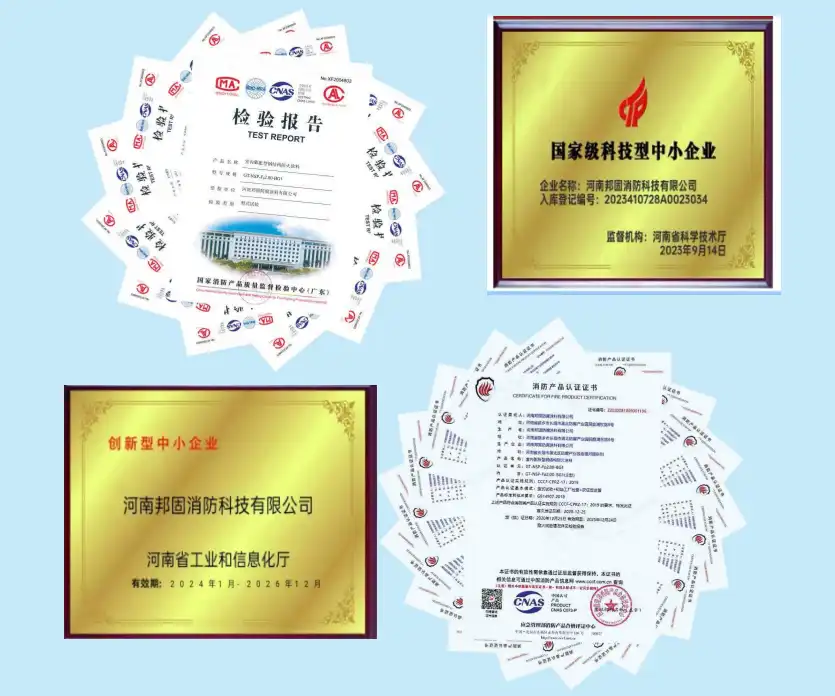
Marks that are known all over the world include UL listings, CE declarations, CCCF product certifications, and CMA/CNAS laboratory test reports. For exports to the Middle East, Southeast Asia, and Latin America, buyers usually need proof that the product meets local fire safety standards along with test results from a third party. Before placing an order, you must make sure that the certificates are up-to-date and specific to the product, not shared across unrelated SKUs.
Core Criteria to Evaluate When Choosing an OEM Flame Retardant Coating Supplier
After you know what kinds of products you want to sell, you need to use a consistent set of criteria to rate potential suppliers.
Quality Control and Third-Party Verification
Do not just ask for one license; ask for records of all the tests that were done. A reliable flame retardant coating maker follows ISO 9001 rules for production and sends samples to independent labs that are CMA- or CNAS-accredited on a regular basis. Banggu has ISO 9001, ISO 14001, and ISO 45001 standards all at the same time. These cover control of quality, the environment, and worker safety all in one audit cycle.
Product Range and Technical Depth
Buying from a single seller for steel-structure, ornamental, and cable products cuts down on the work of managing suppliers by a large amount. Make sure the seller can deal with both water-based (VOC ≤ 120 g/L) and solvent-based (VOC ≤ 650 g/L, classified UN1263 for marine shipping) formulations. Banggu's full line of products can withstand temperatures up to 200 °C, work in temperatures between 5 and 40 °C, and be exposed to up to 85% relative humidity.
Logistics Capability and Mixed-Container Flexibility
When an importer combines several SKUs into one ocean shipment, the supplier must have both land and sea transport permits and know the DG cargo rules for UN1263 solvent-based products. Banggu is based in Changyuan City, which is where the DaGuang and ChangJi Expressways and the XinHe Railroad meet. This makes it easy to get to major Chinese ports and lowers the cost of shipping goods within China.
Comparing Flame Retardant Coatings and Suppliers: What B2B Buyers Need to Know
Not all products that say they are "fire retardant" work the same way, and not all companies that offer OEM services are as responsible as others.
Fire-Retardant vs. Fire-Resistant: A Practical Distinction
Fire-retardant coatings stop flames from spreading and stop smoke from making contact with a surface. Standardized furnace tests show that fire-resistant coatings keep a structural element safe for a rated period of time, which is usually one to four hours. If you don't know which group your job needs, you could fail the inspection. Make sure the product you want fits the fire-rating schedule in your area's building code before you ask for a quote.
Total Cost of Ownership vs. Unit Price
Most of the time, unit price doesn't tell the whole story of supply. Thin-film intumescent coatings are more expensive per kilogram than thick-film coatings, but they cover a lot more ground with a lot less material. When you add up the cost of application labor, drying time (surface dry = 4 hours; hard dry = 24 hours for Banggu formulations), and possible rework due to batch inconsistency, a slightly more expensive provider with confirmed batch stability usually ends up being less expensive overall.
Evaluating OEM Brand Credibility
The three fastest ways to tell if an OEM flame retardant coating provider is trustworthy are their production capacity, their quality records, and their desire to provide sealed reference examples. Before you place a trial order, make sure you get full TDS/MSDS documentation and export case references. Banggu has shipped to markets like Tanzania and Peru.
Step-by-Step Guide: How to Select and Procure Flame Retardant Coatings for Your Business?
A organized buying process keeps your company from being surprised with expensive costs during the application or inspection stage.
Step 1 — Define Requirements Before Contacting Suppliers
Include the type of substrate, the length of time the fire rating needs to last, whether the product will be used indoors or outdoors (for outdoor applications that last longer than five years, you need an extra UV/weather topcoat system), and any local regulations that apply. Products should be kept between 5 and 45 °C in a dry, well-ventilated area. Water- and solvent-based products have a 12-month shelf life, while cement-based products only have a 6-month shelf life.
Step 2 — Pre-Qualify Suppliers With Documentation Review
Ask for up-to-date certificates, recent batch test results, a full TDS, and an MSDS for each product. Make sure that things that use solvents are correctly labeled under UN1263 and that the supplier can give you all the paperwork you need to export them. Then, set up sealed samples to be tested by a third party before committing to a large order.
Step 3 — Negotiate Terms and Trial Order Structure
Write down the minimum order quantity (MOQ) for multi-SKU mixed containers, the specs for the OEM label, and the shipping wait times. A standard first shipment of one to two containers lets your team test how well the product works on-site while keeping costs low. Once the quality of the batch and the results on-site are proven, it's easy to scale up for repeat orders.
Case Studies: Successful OEM Flame Retardant Coating Procurement
Industrial Steel Structure Project
A regional distributor in the Middle East needed to protect exposed structural steel in a petrochemical plant with flame retardant coating. The buyer confirmed that the product met the requirements of GB 8624-2012 Class A for not catching fire after asking for sealed samples and sending them to a nearby certified lab. The seller sent all the necessary paperwork for export, and the product passed the facility's fire check on the first try.
Residential Construction With Eco-Conscious Requirements
A construction company needed water-based paints with low volatile organic compound (VOC) levels for decorative fire-protective paint for home interiors. The chosen product had a VOC content of less than 100 g/L, which met the project's indoor air quality requirements. It also had a smooth, clean finish that met the architect's design needs without adding to the structure's weight.
Cable Fire Protection for Infrastructure Projects
A company that makes cables needed a cover for insulation bundles that go through systems with a lot of tubing. By dipping the cables in the supplier's cable-specific mixture, a uniform dry-film thickness was achieved throughout the entire production run. This stopped fires from "wicking" through cable trays, which had caused failures on previous projects.
Conclusion
The best OEM fire-protective coating provider should have three things: certifications that can be checked, regular batch quality, and a product range that lets you get everything you need for your project from a single source. Henan Banggu Fire Protection Technology Co., Ltd. has been formulating fire safety products for more than 30 years and has a full range of certifications and flexible OEM/ODM services to help construction buyers and distributors around the world. Ask for sealed samples first, check the test results from a third party, and base your long-term relationship with a supplier on performance data rather than price alone. Flame retardant coating solutions can provide additional protection options for different project requirements.
FAQ
What is the difference between a flame retardant coating and a fire-resistant coating?
A flame retardant coating limits surface flame spread and smoke development. A fire-resistant coating protects a structural element for a defined hourly rating under a standardized furnace test. Both serve passive fire protection roles, but they apply to different parts of a fire safety design.
Can these coatings be applied outdoors without additional protection?
Indoor formulations are not UV- or weather-resistant on their own. For exterior applications expected to last more than five years, a compatible UV/weather topcoat system is required over the base fire-protective layer.
What application conditions are necessary for correct curing?
Apply at temperatures between +5 and +40 °C, with relative humidity at or below 85 %, and ensure the substrate temperature is at least 3 °C above the dew point. Deviating from these parameters can cause improper char formation during a fire event.
How should solvent-based products be handled during shipping?
Solvent-based formulations with a flash point above 60 °C are classified as flammable liquids under UN1263. They require DG-compliant packaging and shipping declarations. Water-based and cement-based variants are non-hazardous and face no special maritime restrictions.
How long does the coating last in service?
When applied at the correct dry-film thickness and protected by a suitable topcoat where required, industrial-grade fire-protective coatings are designed for multi-decade service life. Annual visual inspections for mechanical damage are standard practice under NFPA 25 guidelines.
Partner With Banggu Fanghuo for Your Next OEM Project
You can get all of Banggu Fanghuo's fire-protective coatings—for structural steel, for decoration, and for cables—from a single certified source. This saves you time and money by not having to manage multiple suppliers. Our goods are approved by most of the places we want to reach because they have ISO 9001, ISO 14001, ISO 45001, CE, and FDA certifications. You can email our team at admin@bgfireproof.com to get sealed samples, TDS/MSDS papers, and a reasonable price from a flame retardant coating company you can trust that is ready to help your brand grow.
References
1. ASTM International. ASTM E84: Standard Test Method for Surface Burning Characteristics of Building Materials. ASTM International, 2023.
2. National Fire Protection Association. NFPA 25: Standard for the Inspection, Testing, and Maintenance of Water-Based Fire Protection Systems. NFPA, 2023.
3. Underwriters Laboratories. UL 263: Standard for Fire Tests of Building Construction and Materials. UL Standards & Engagement, 2022.
4. European Committee for Standardization. EN 13381: Test Methods for Determining the Contribution to the Fire Resistance of Structural Members. CEN, 2015.
5. Society of Fire Protection Engineers. SFPE Handbook of Fire Protection Engineering, 5th ed. Springer, 2016.
6. International Organization for Standardization. ISO 9001: Quality Management Systems — Requirements. ISO, 2015.

USER EVALUATE
Here is the customer's evaluation of us
YOU MAY LIKE
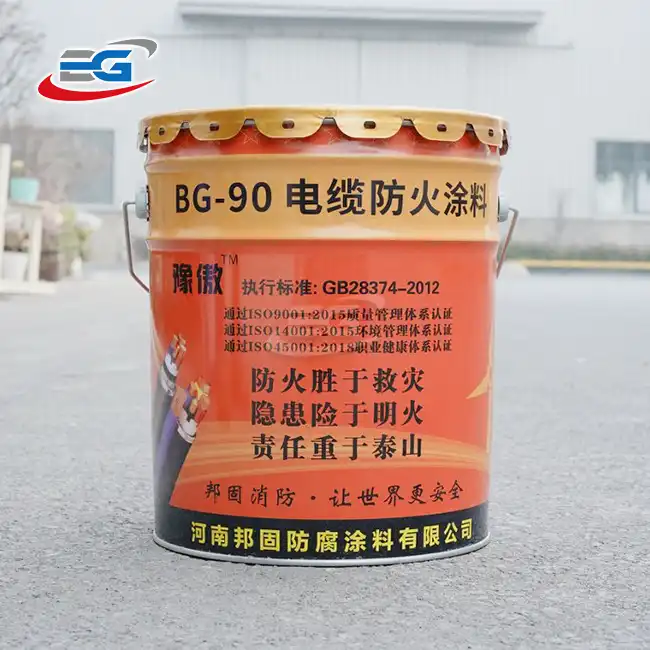 VIEW MOREFire retardant coating for cable non-toxic
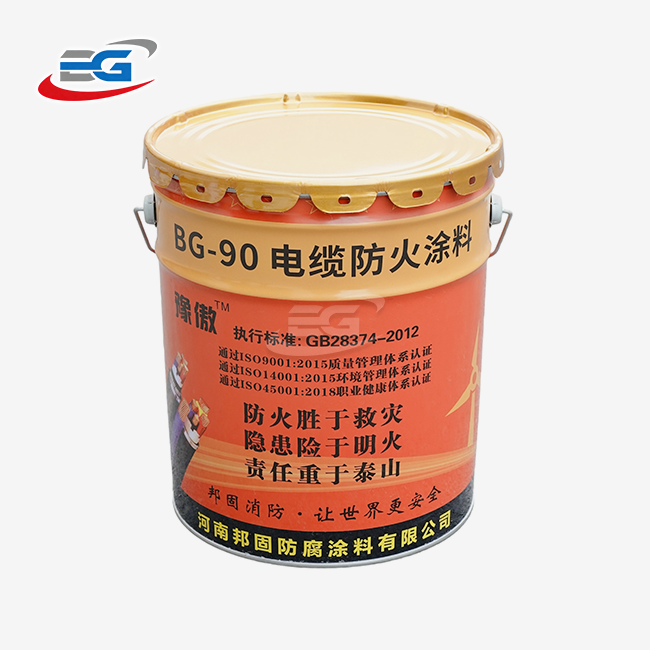 VIEW MOREFireproof coating for cable
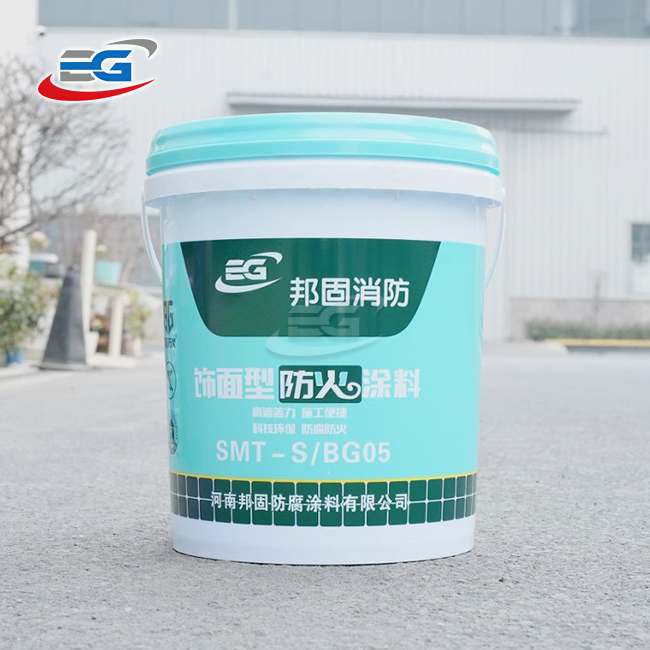 VIEW MOREFinishing type fire retardant coating for building interior
 VIEW MOREFireproof Coating for Steel Structures for steel frame
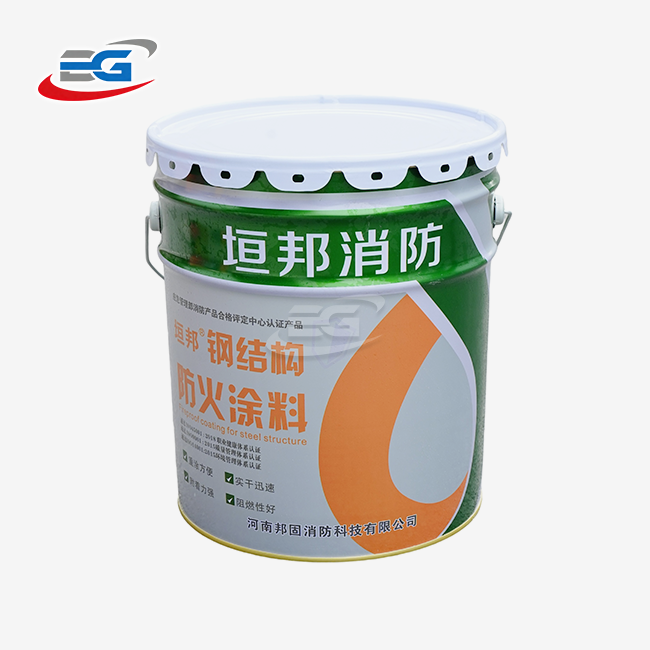 VIEW MOREOutdoor intumescent fire retardant coating for steel structure
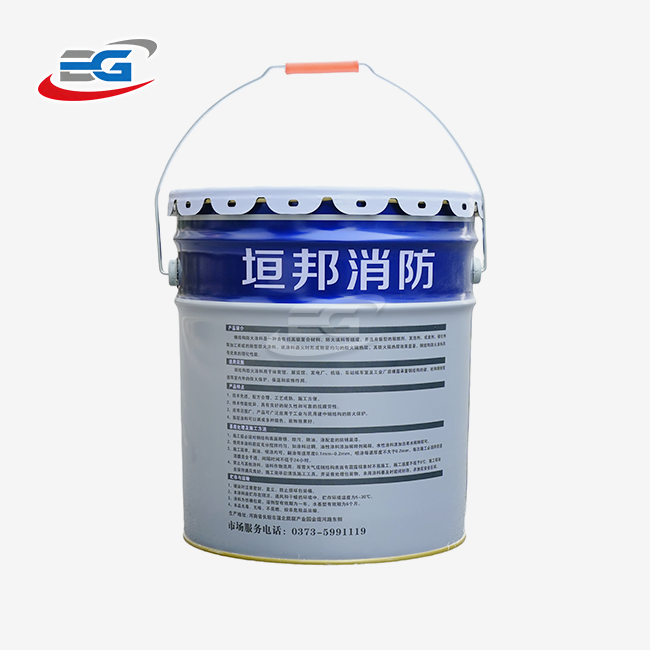 VIEW MOREFire Resistant Coating for Steel Structures
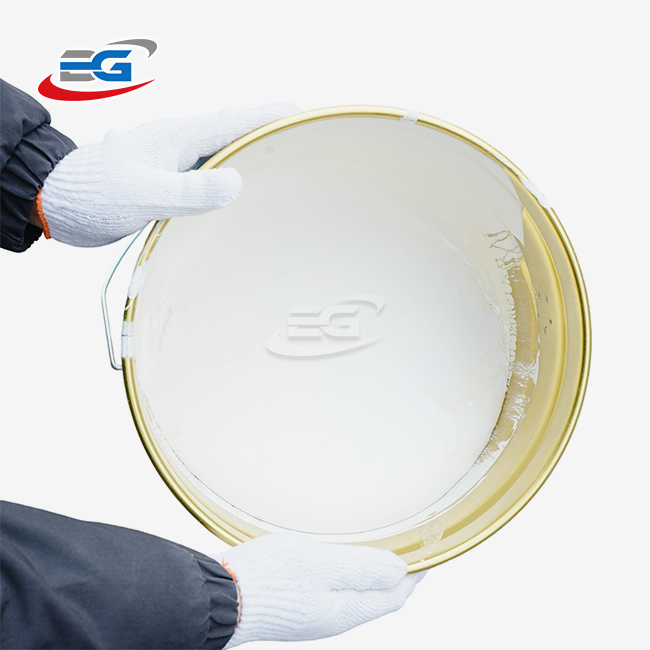 VIEW MOREFire Retardant Coating for Steel Structures
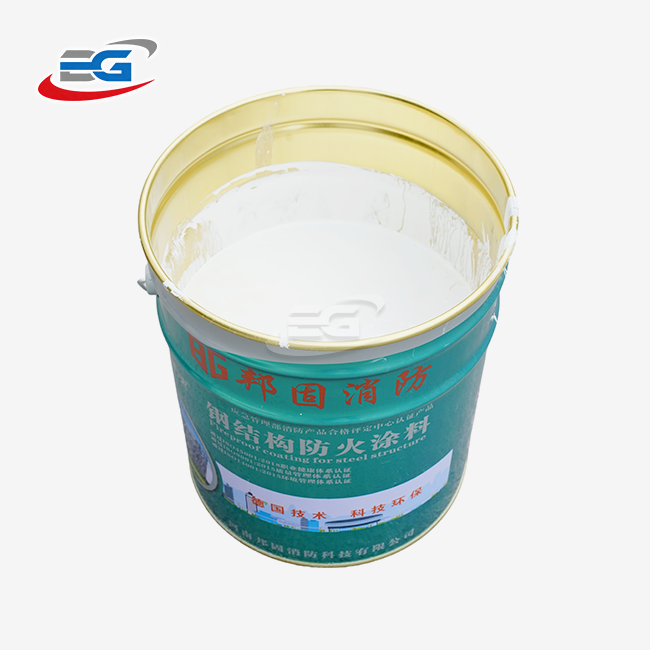 VIEW MOREnon-toxic fireproof coating