


Structural Steel Fireproof Coating vs Intumescent Paint: Key Differences
When specifying fire protection for a steel-framed building, two terms appear constantly in project documents: structural steel fireproof coating and intumescent paint. Many procurement managers treat them as synonyms. They are not. Choosing the wrong product for a given fire rating, substrate condition, or environmental exposure can mean a failed inspection, costly rework, or—far worse—structural collapse during a fire event. This article breaks down exactly what separates these two product categories, when each one applies, and how to source a certified solution that holds up under real project pressure.
Understanding Structural Steel Fireproof Coatings
Even though steel doesn't catch fire, it loses about half of its strength at 538 °C (1,000 °F). A protective layer slows the flow of heat to the steel, giving people time to get out and get help in case of an emergency.
What the Category Covers?
The phrase "structural steel fireproof coating" refers to a number of different types of products, such as thin-film intumescent coatings, thick-film cementitious coatings, and proprietary systems. Each type insulates steel in a different way, either by expanding, making minerals denser, or creating chemical char. Specification mistakes happen when they are treated as if they were identical.
International Testing Standards That Matter
Ratings for fire resistance are not posted on the product itself. Standardized heating tests must be passed by the goods. The United States uses ASTM E119 and UL 263 to set hourly fire ratings for building parts. BS 476 Parts 20–21 and EN 13381-8 are the same standards used around the world. Any item you choose should have a test report that is linked to the exact model number you are ordering, not a similar item from the same manufacturer.
Why Certification Alignment Is Non-Negotiable?
One of the main reasons fire inspections fail is that the certified item does not match the item that is delivered to the site. Before you sign a buy order, you should always compare the certificate number, the product model, and the dry film thickness (DFT) range that is written in the test report.
Deep Dive into Intumescent Paint
A type of fire safety layer is intumescent paint. It behaves in a certain way: when it hits a trigger temperature of about 150–200 °C, it grows to form a low-conductivity carbonaceous char layer around the steel. This layer can be 40 to 100 times its original dry thickness.
How the Reaction Works
The dry film has three parts: an acid source, a carbon source, and a blowing agent. These three parts combine chemically to make the film expand. The char that forms slows the rate at which heat gets the steel below by a huge amount, much like foam insulation. It's this process that gives the thin-film look while still providing 30- to 120-minute fire ratings.
Advantages for Architectural and Industrial Projects
Coatings that put out fires can be as thin as 0.3 mm to 6 mm DFT, which is much thinner than cementitious options. Because of this, they are the best choice for visible steel in places like airports, stadiums, and business buildings where looks are important. Water-based types of intumescent have VOC levels as low as 120 g/L, which meets the needs of LEED and low-emission projects.
Limitations Procurement Teams Should Know
The increased cost of material per square meter, its sensitivity to standing water during application, and the requirement for a suitable finish in outdoor environments are significant issues. Standard intumescent products are not resistant to UV radiation; when used outdoors, they must be protected with an approved overcoat system, otherwise the char layer may wear away before a fire even starts for structural steel fireproof coating applications in demanding outdoor service conditions.
Structural Steel Fireproof Coating vs Intumescent Paint — Key Differences
The most important differences for making a choice are shown below in a table. A procurement team can write an accurate specification and avoid change orders in the middle of a project if they know about these gaps.
Here are the main changes between the two groups in terms of performance and use:
- Fire resistance mechanism: Intumescent coatings expand to form insulating char; cementitious and thick-film coatings insulate through mineral mass and low thermal conductivity (≤0.12 W/m·K). The mechanism affects how thickness is calculated and verified on site.
- Applied thickness: Thin-film intumescents typically range from 0.3 mm to 6 mm DFT; thick-film cementitious coatings range from 3 mm to 50 mm. Thicker systems require more labor time and add measurable weight to the structure.
- Application environment: Water-based versions of both types require substrate temperature between +5 °C and +40 °C and relative humidity ≤85%, with the substrate at least 3 °C above dew point. Solvent-based variants (classified as flammable, UN1263, flash point >60 °C) offer slightly wider application windows but require additional site safety controls.
- VOC profile: Water-based formulations carry VOC ≤120 g/L; solvent-based carry VOC ≤650 g/L. For projects with indoor air quality requirements or LEED targets, this difference is decisive.
- Cost structure: Intumescent coatings carry a higher material unit cost but lower labor cost due to thin application. Cementitious systems have lower material cost per kilogram but higher labor cost and longer cure schedules.
Water-based formulations have a VOC level of ≤120 g/L, while solvent-based formulations have a VOC level of ≤650 g/L. This difference is very important for projects that need to meet indoor air quality standards or LEED goals.
How to Choose the Right Fireproof Coating Solution for Structural Steel?
Three questions will help you choose the right products: What kind of fire grade does the picture need? Where can I find the steel? What's the state of the substrate's surface?
Match the Product to the Fire Rating Required
Most of the time, thin-film intumescent systems are the most cost-effective way to get ratings of 0.5 to 1.5 hours on visible internal steel. Most of the time, thick-film cementitious or epoxy-based systems offer better value per protected hour for ratings of 2 hours or more on hidden structural members like beams inside ceiling plenums, columns inside concrete encasements, or industrial roof trusses. The fire resistance range for Banggu Fanghuo's products is between 0.5 and 3 hours for thin-type systems and between 2 and 6 hours for thick-type systems. Under standard test settings, the fire resistance performance was proven to be ≥2.3 hours.
Indoor vs. Outdoor: A Critical Branch Point
Standard intumescent or cementitious paints can be used on steel inside a climate-controlled room without a finish. Outdoor steel or steel in industrial areas with a lot of damp needs a coating system that is resistant to UV light and weather. Without it, the covering will break down in a few years and stop working as well as it was supposed to. For outdoor jobs that will last longer than five years, choose a full UV/weather topcoat system from the same manufacturer to keep the guarantee valid.
Verify Supplier Certification Against Your Specific Model
Don't just ask for the certificate of structural steel fireproof coating; always ask for the test report as well. Make sure that the model number on the report fits the specific product being discussed. Banggu Fanghuo has ISO 9001, ISO 14001, ISO 45001, and CE certifications, and test data can be linked to specific product SKUs for structural steel fireproof coating applications. This keeps inspections from failing because of certificate-model mismatches.
Procurement Guidance for Structural Steel Fireproof Coatings
It takes more than just finding the cheapest price per ton to get fire protection coatings for a big project. From approval of the drawing to the first delivery, the buying cycle usually lasts one to three months. It costs a lot to fix mistakes during this time.
Evaluate Supplier Capacity Alongside Product Quality
A company that only makes small batches can offer a good price, but they might not be able to meet a phased construction schedule. Check the annual production capacity, batch consistency records, and the ability to show proof of material traceability during site inspections. Banggu Fanghuo has production lines that were specifically made to meet the needs of big engineering projects.
Negotiate Around the Full Cost of Ownership
Number 3: Price-per-ton is one of the variables. The total cost of materials for a project is based on the coverage rate, the DFT requirements for each fire rating, and the time between coats. Get the manufacturer's thickness-to-rating table and figure out the amount you need on your own. As normal support, Banggu Fanghuo offers a product selection guide, a project amount estimate service, and on-site building advice. These three tools help cut down on waste and rework.
Storage, Shelf Life, and Logistics
goods that are water- or solvent-based can be kept for 12 months, while goods that are made of cementite can only be kept for 6 months. The storage area must stay dry and between 5 °C and 45 °C. Handling explosive materials is needed for treatments that use solvents. Banggu Fanghuo has permits for both land and sea travel, which lets him send goods directly to projects in the Middle East, Southeast Asia, and other export markets.
Conclusion
Intumescent paint and structural steel fireproof coatings are two different but related tools. The best option relies on the fire rating, the location, the way it looks, the cash, and the weather. Projects that pass review are those that make this choice correctly during the specification stage and back it up with certified, traceable goods from a company that can actually make them. As a first step, use the article's comparison points. Then, check against your project plans and the supplier's real test documentation.
FAQ
What is the difference between intumescent paint and cementitious fireproof coating?
The mineral density and low thermal conductivity of cementitious coatings keep heat in. Intumescent products are thinly applied and work best on architectural steel that will be seen. Cementitious systems, on the other hand, are thickly applied and work best on hidden or practical structural members where cost is more important than weight or appearance.
Can fireproof coatings be applied in cold or humid conditions?
For standard water-based paints to work, the material must be at least 3 °C above the dew point and the temperature must be between +5 °C and +40 °C. The relative humidity must be below 85%. Solvent-based versions can handle lower temperatures a little better, but they need extra fire safety measures to be taken on site.
Does intumescent paint work outdoors?
Standard intumescent coats don't stand up to UV light or bad weather. For outdoor use, you need a UV/weather topcoat system that works with the paint. For projects that will be outside for more than five years, you should request a full covering system from the same company.
How do I verify that a delivered product matches its fire certificate?
Compare the model number, batch number, and DFT range given by the maker in the test report with what is written on the delivery papers and product labels. Before you accept delivery, make sure you get the original test report and not just a summary certificate.
What VOC levels should I expect?
There are ≤120 g/L of VOC in water-based protective coatings and ≤650 g/L of VOC in solvent-based coatings. Water-based systems are the best choice for projects that are trying to meet LEED standards or that care about indoor air quality.
Get Certified Fire Protection Coatings from Banggu Fanghuo
For your next project, you should hire a structural steel fireproof coating supplier with valid licenses, test data that can be tracked, and enough production capacity to meet your deadlines. Banggu Fanghuo has products that are ISO 9001, ISO 14001, and CE certified, and they can withstand fires for up to 2.5 hours. They also offer full OEM/ODM options and technical support from the specification stage all the way through the final inspection. To get a product selection guide and project quantity estimate, email our team at admin@bgfireproof.com right now.
References
1. ASTM International. ASTM E119: Standard Test Methods for Fire Tests of Building Construction and Materials. ASTM International, 2022.
2. Underwriters Laboratories. UL 263: Standard for Fire Tests of Building Construction and Materials. UL Standards, 2021.
3. European Committee for Standardization. EN 13381-8: Test Methods for Determining the Contribution to the Fire Resistance of Structural Members — Applied Reactive Protection to Steel Members. CEN, 2013.
4. Society of Fire Protection Engineers. SFPE Handbook of Fire Protection Engineering, 5th ed. Springer, 2016.
5. British Standards Institution. BS 476-20: Fire Tests on Building Materials and Structures — Method for Determination of the Fire Resistance of Elements of Construction. BSI, 1987 (reaffirmed 2022).
6. Intumescent Fire Protection Association (IFPA). Guide to the Specification and Use of Intumescent Fire Protection for Structural Steelwork. IFPA, 2019.

USER EVALUATE
Here is the customer's evaluation of us
YOU MAY LIKE
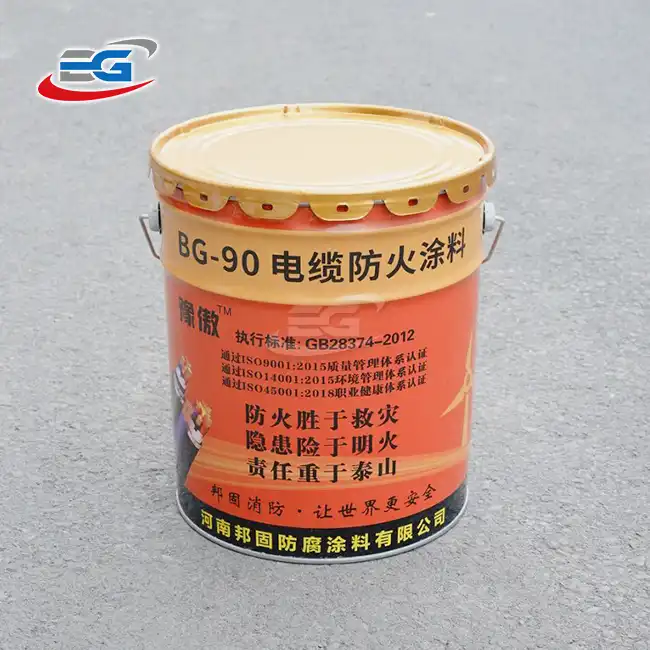 VIEW MOREFire retardant coating for cable long service life
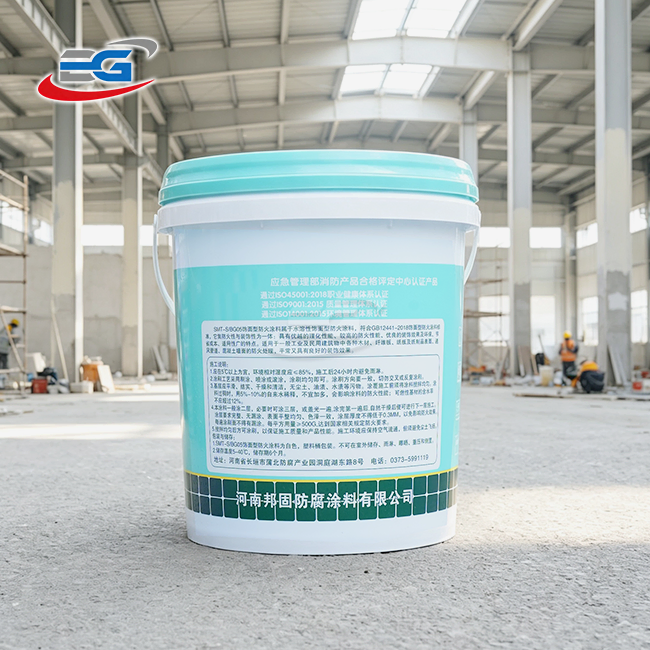 VIEW MOREFinishing type fire retardant coating for residential buildings
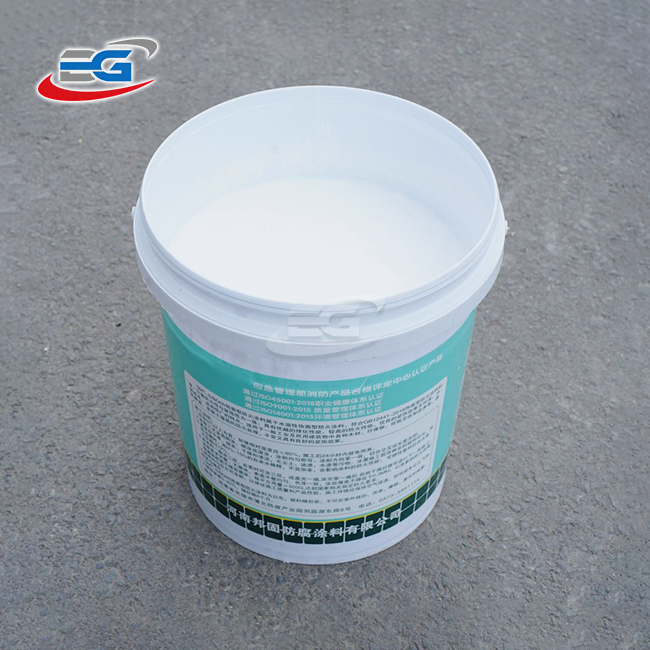 VIEW MOREFinishing type fire retardant coating for interior walls
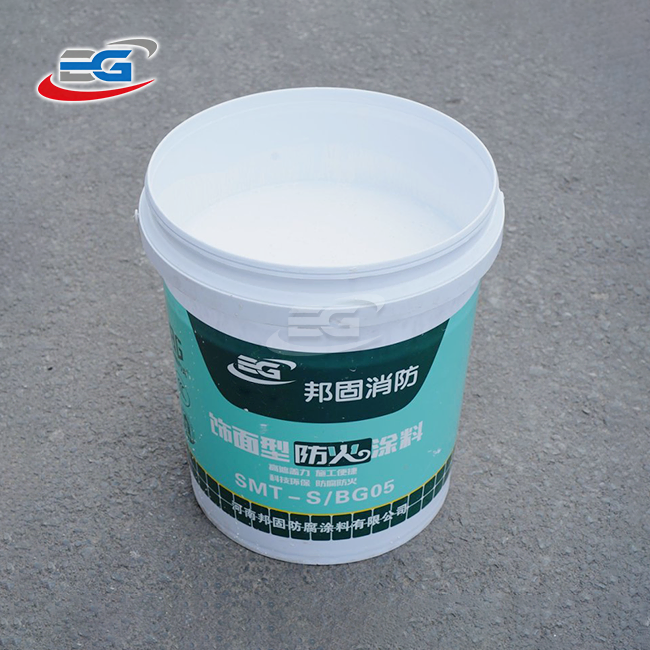 VIEW MOREWeather Resistant Finishing Type Fire Retardant Coating
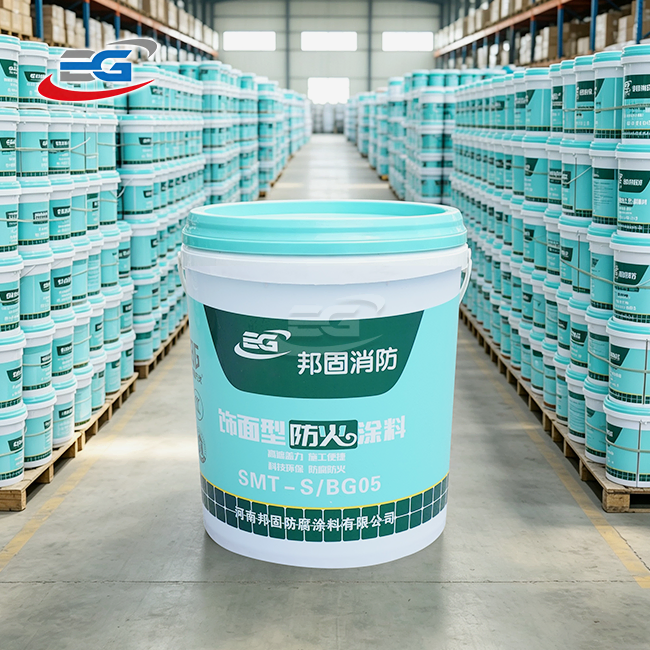 VIEW MOREFire retardant finish coating
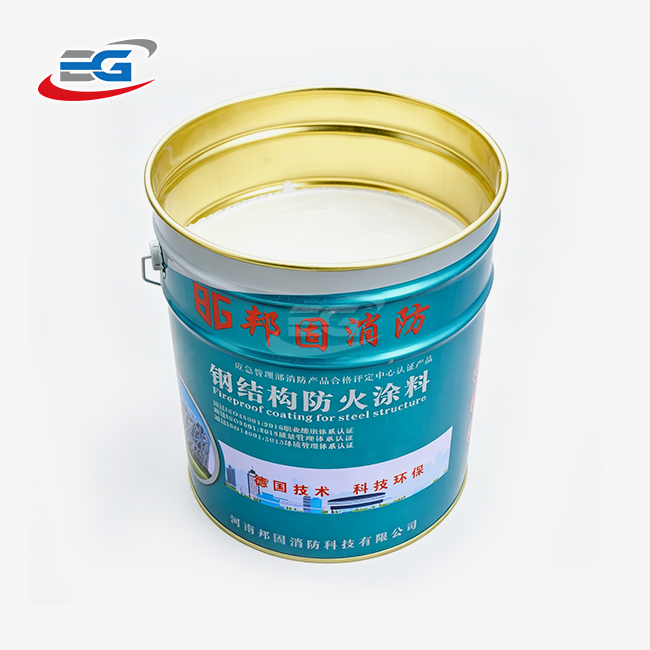 VIEW MOREIndoor intumescent fire retardant coating for steel structure
 VIEW MOREepoxy fireproof coating
 VIEW MOREwater-based fireproof coating