



What Is Low VOC Finishing Type Fire Retardant Coating Used For?
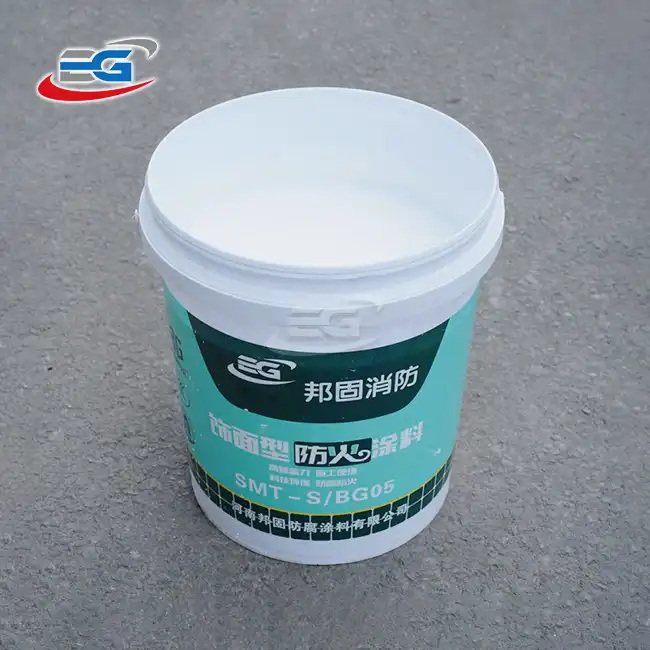
Low VOC finishing type fire retardant coating is a water-based passive fire protection material applied to indoor steel structures, wood panels, walls, and ceilings. It delivers a smooth decorative surface while keeping VOC emissions at ≤15 g/L—far below standard industry thresholds. When heat reaches the film, the coating forms an insulating carbonaceous char layer that delays structural failure for at least 1.6 hours. Its Class A non-toxic rating and near-odorless profile make it the preferred fire-safe surface finish for homes, hospitals, kindergartens, and food processing facilities where air quality cannot be compromised.
Understanding Low VOC Finishing Type Fire Retardant Coatings
What "Finishing Type" Actually Means?
Most layers that stop fires are hidden under topcoats. A finishing-type product is the last layer that can be seen. It adds color and protects against fire. These two roles are important for projects that need to meet ASTM E84 Class A or similar fire rules and also look clean and professional with open structural steel or wood panels.
How the Fire Retardant Mechanism Works
Intumescent science is used to make the layer. When heat is applied, three active ingredients—ammonium polyphosphate, pentaerythritol, and melamine—react to form a thick, stable char layer that keeps the base warm. The fire growth rate index stays at ₦250, and the level of toxicity in the smoke is Class t0, which is the safest grade. This gives people enough time to get out of the building before it is damaged.
Why VOC Level Is the Central Specification?
Fire retardants that are usually dissolved in solvents can have more than 400 g/L VOC. GREENGUARD Gold standards, the EPA's building coatings rule, and the water-based recipe from Banggu Fanghuo all say that the low VOC finishing type fire retardant coating has a VOC level of less than 15 g/L, which means that it meets all of these requirements. The most important thing a procurement team should ask for from any supplier before choosing one is lab confirmation of this number.
Benefits of Using Low VOC Finishing Type Fire Retardant Coatings
Healthier Air in Occupied Spaces
At ≤15 g/L VOC, the coating doesn't give off any smell, either while it's being applied or afterward. In places with normal ventilation, construction workers can work without breathing masks. Once cured (surface dry in about two hours), the film is chemically stable and doesn't give off any more emissions. This is something that hospitals and child care centers are putting more and more into their specification documents.
Verified Fire and Durability Performance
This number for fire safety is not just a business claim; it is a real number. Under normal test settings, fire resistance is 1.6 hours. Adhesion is ≤Grade 1, scrub resistance lasts for more than 1,000 cycles, and after 48 hours of heat and humidity exposure, the film doesn't change color or split. These numbers are true for steel, wood, and gypsum board surfaces.
Here are the basic performance standards that buyers should make sure any supplier meets before placing an order:
- VOC content: ≤15 g/L (ultra-low grade); water-based formulation compliant at ≤120 g/L upper limit
- Fire resistance limit: ≥1.6 hours under standard test protocol
- Smoke toxicity: Class t0—no harmful gases released during combustion
- Scrub resistance: ≥1,000 cycles without film breakdown
- Surface drying time: ≤2 hours, supporting fast construction schedules
These standards help buyers stay away from sellers who say on paper that their low VOC finishing type fire retardant coating is low but can't show test results from a third party to back up their claims.
Aesthetic Flexibility Without Performance Trade-Offs
Using uniform colorants lets you change the colors, as long as the pigment volume concentration stays within the formulation range. The finish is even and smooth, and it looks just like regular latex paint for the inside of a room. This is important for design-led projects in high-end housing developments or healthcare interiors that need to meet both esthetic and regulatory standards.
How to Choose the Best Low VOC Fire Retardant Coating for Your Project?
Match the Substrate and Environment First
This item is only meant to be used inside. Since it doesn't protect against UV light or weather, any outdoor use that will last longer than five years needs an extra UV/weather topcoat system. Indoor materials like steel, gypsum board, and wood can all be used together. The temperature must be between +5 °C and +40 °C, the relative humidity must be below 85%, and the substrate temperature must be at least 3 °C above the dew point.
Request Actual VOC Test Reports, Not Spec Sheet Claims
Most of the time, people make the mistake of taking a specification sheet number without the third-party proof that goes with it. Ask for the VOC value that was tested by a recognized lab, as well as the smoke toxicity rating and the fire resistance time certificate. When suppliers don't want to share these papers, it's best to move on to someone else.
Evaluate Sample Quality Before Bulk Commitment
With low VOC finishing type fire retardant coating, it can be hard to get the same color from batch to batch because the formulation window for colorants is smaller than with solvent-borne products. A trustworthy provider will give you protected color samples that are linked to a certain production batch. Before a full project order is made, adhesion and finish quality are checked on a pilot project on the real material, such as a steel beam, an OSB panel, or a gypsum ceiling.
Procurement Considerations and Market Landscape
Supplier Sourcing and Logistics
The Henan Banggu Fire Protection Technology Co., Ltd. is in Changyuan City, which is an industrial hub and has easy access to the XinHe Railroad and the DaGuang and ChangJi Expressways. Transport permits for both land and water are in place, which cuts down on wait times for buyers in North America and Europe. The water-based and solvent-based types can be kept for 12 months, while the cementitious type can only be kept for 6 months. To keep it working, store it between 5 and 45 °C in a dry place.
OEM and ODM Options for Brand Buyers
Banggu Fanghuo lets you customize it in two ways. In OEM, the buyer decides on the recipe, and the plant makes the product according to the buyer's instructions. The brand owner owns the intellectual property. When a buyer orders ODM, the factory gives them a tried-and-true formula that they then rebrand by adding their own logo and customizing the packaging and colors. Both paths come with full NDA support. Because there are no set minimum order sizes for samples and pilot runs, the qualification process can be completed faster than usual (2–4 months).
Market Demand and Compliance Trends
Demand for eco-friendly fire retardant coatings in the US market has steadily grown as LEED certification becomes a standard requirement for all new commercial and institutional buildings. As of 2023, the U.S. Green Building Council said that LEED-certified buildings add more than 2.2 million square feet of new space every day around the world. If purchasing managers can lock in a confirmed low-VOC provider now, they will be in a better position when EPA and state-level programs make indoor air quality rules even stricter.
Conclusion
Low VOC finishing type fire retardant coating fills a gap left by standard fire protection products: it provides 1.6 hours of fire resistance, a Class A non-toxic rating, and keeps VOC at 15 g/L, which is low enough for hospitals, schools, and food processing facilities. The water-based intumescent solution can be used on steel, gypsum, and wood. It dries in less than two hours and leaves a smooth finish that doesn't need a topcoat when used inside. For business-to-business buyers, the steps are easy: check the third-party VOC and fire resistance certificates, ask for a test sample on your own material, and make sure the company can do OEM/ODM work before committing to a production run.
FAQ
Does the coating work on both wood and steel substrates?
Yes. The water-based intumescent solution sticks to steel buildings, wood panels, and gypsum board. Adhesion tests show that all three of them performed at a Grade 1 level. Steel doesn't need an extra primer when it's inside, but the surface still needs to be prepared (clean, dry, and free of mill scale).
What certifications should I verify before purchasing?
Ask for the fire resistance certificate (≥1.6 h), the VOC test results showing ≤15 g/L, and the smoke toxicity Class t0 certificate at the very least. Most US projects follow ASTM E84 Class A, which means the flame spread index is less than 25 and the smoke developed index is less than 450. At the manufacturing level, ISO 9001 and ISO 14001 certifications show that there are process controls that help keep batches consistent.
Can the coating be tinted to custom colors?
Yes, as long as the allowed pigment volume range is followed and uniform colorants are used. There are a lot of color choices, but shades that are very rich or dark might need to be reformulated to make sure they don't affect fire performance. Before giving the go-ahead, ask for a color-matched, sealed sample.
How long does the coating last indoors?
As long as the fire retardant film is kept in a normal indoor environment with no UV light and no standing water, it will work for the life of the building. It is suggested that you look for mechanical damage or delamination every five years. For outdoor uses that will last longer than five years, you need a special finish system that is resistant to UV light and weather on top of the fire-resistant base. The coating is safe for places with people, like hospitals, kindergartens, and food processing plants, because it has a Class A non-toxic grade and a VOC level of less than 15 grams per liter. Unlike solvent-based grades (UN1263, explosive liquid), the water-based version is not dangerous to carry.
Is the product safe for sensitive environments like hospitals?
Yes. The Class A non-toxic rating and ≤15 g/L VOC content confirm the coating is safe for occupied spaces including hospitals, kindergartens, and food processing facilities. The water-based variant is classified as non-hazardous for transport, unlike solvent-based grades (UN1263, flammable liquid).
Get Your Sample and Quote from Banggu Fanghuo
For more than 30 years, Banggu Fanghuo has been making fire safety coats that do well in real tests, not just on paper. As a low-VOC finishing type fire retardant coating supplier, we can offer flexible OEM/ODM production, sealed color samples, and full environmental certification from a third party. No matter if you need a small batch for a hospital renovation or a lot for a school building project, our team is ready to help. You can get a datasheet, color card, or project quote right now by emailing us at admin@bgfireproof.com.
References
1. U.S. Green Building Council. LEED v4.1 Building Design and Construction Reference Guide. 2023.
2. ASTM International. ASTM E84: Standard Test Method for Surface Burning Characteristics of Building Materials. 2023.
3. U.S. Environmental Protection Agency. Architectural Coatings Rule: Control of Volatile Organic Compound Emissions. 2022.
4. European Chemicals Agency. REACH Regulation (EC) No 1907/2006: Guidance on VOC Restrictions in Coatings. 2021.
5. National Fire Protection Association. NFPA 101: Life Safety Code. 2021.
6. Schartel, B., & Hull, T. R. "Development of Fire-Retarded Materials—Interpretation of Cone Calorimeter Data." Fire and Materials, 2007.

USER EVALUATE
Here is the customer's evaluation of us
YOU MAY LIKE
 VIEW MOREFlame retardant coating for cable
 VIEW MOREfire retardant cable coating compound
 VIEW MOREfire retardant paint for cables
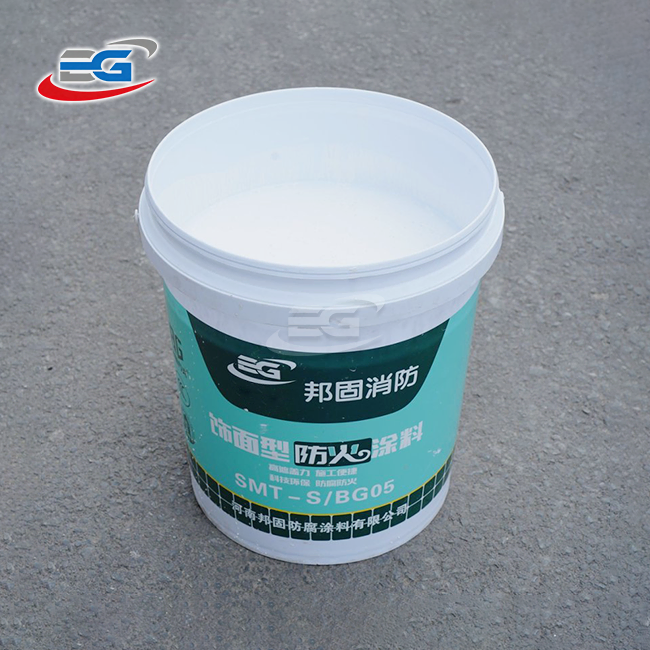 VIEW MOREScrub Resistant Finishing Type Fire Retardant Coating
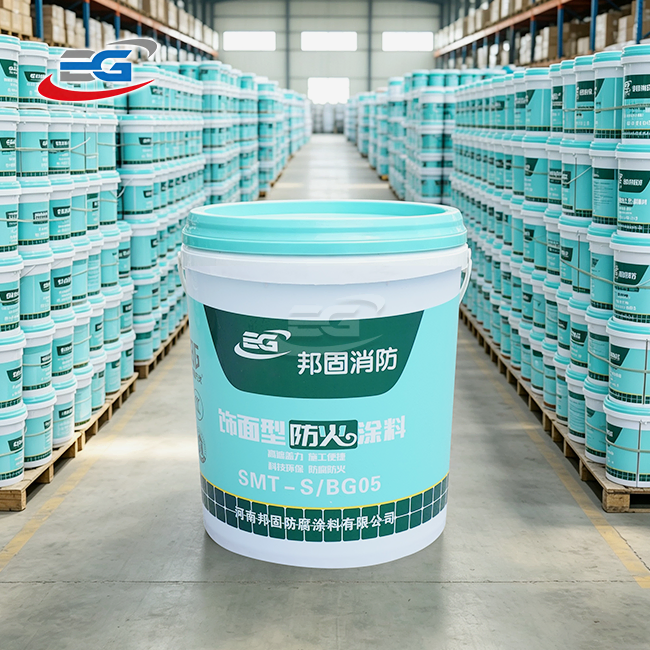 VIEW MOREFire retardant finish coating
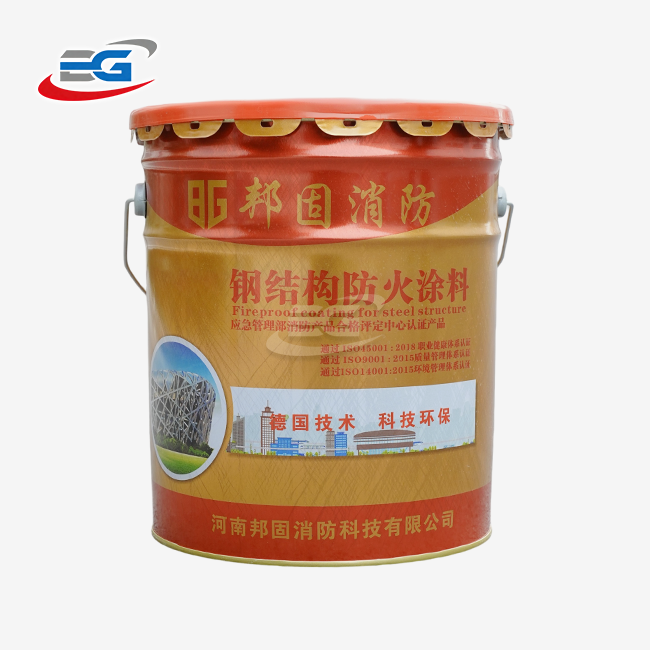 VIEW MOREFireproof Coating for Steel Structures long fire resistance time
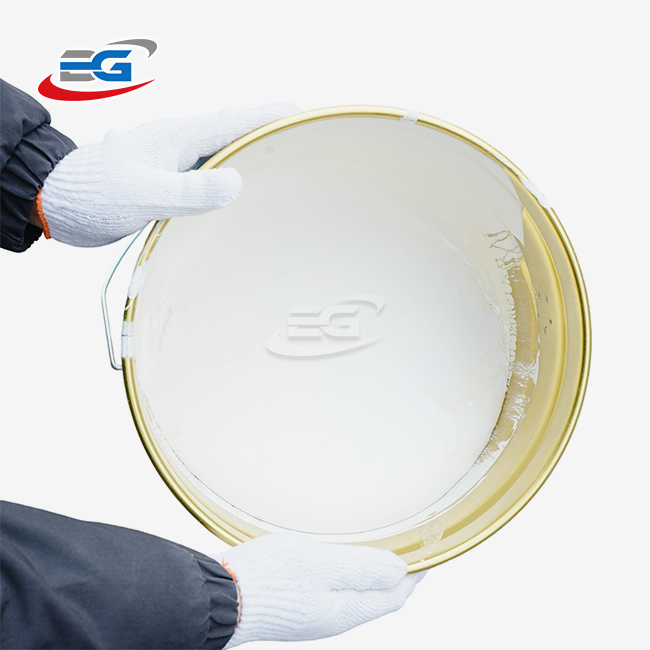 VIEW MOREFire Retardant Coating for Steel Structures
 VIEW MOREflame retardant coating