



How Can I Apply Flame Proof Coating to Protect Building Surfaces?
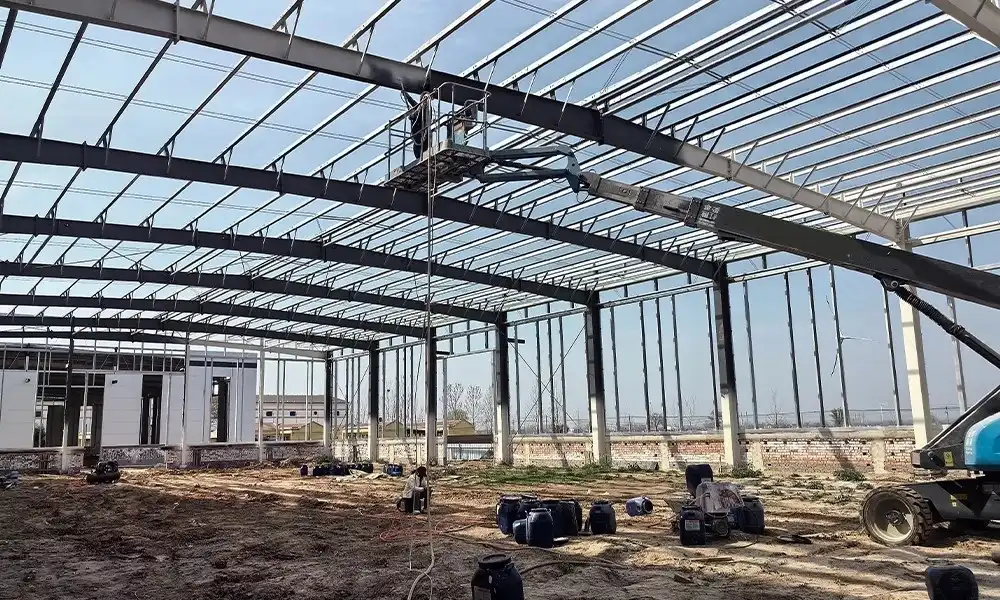
Applying flame proof coating to building surfaces requires careful surface preparation, correct product selection, and proper layering technique. Start by cleaning the substrate thoroughly—removing rust, grease, or dust—then apply a compatible primer. Use a brush or spray gun to apply the coating in even layers, allowing each coat to surface-dry within four hours before adding the next. For industrial substrates like steel beams, concrete walls, or cable trays, a certified fire-resistant coating rated for at least three hours of flame penetration resistance provides reliable passive fire protection that meets construction inspection and safety compliance requirements.
Understanding Flame Proof Coating and Its Role in Building Protection
What It Actually Is?
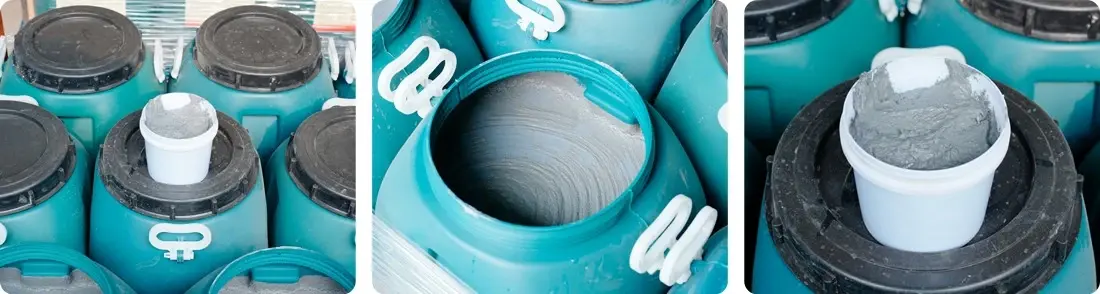
A flame proof coating is a passive fire protection (PFP) material that is put on the outside of a structure. As a thermal barrier, it slows the flow of heat to the substrate, which delays ignition. When some mixtures are exposed to very high temperatures, they turn into a carbonized layer that stops the flame from spreading. Sprinklers and other active systems are very different from this because the protection lasts forever and doesn't need to be activated.
How It Differs from Fire Retardant Paint?
Fire resistant paint mostly stops surfaces like wood from catching fire by letting out gasses that put out fires. When heated, intumescent layers get bigger and make a thick foam layer. A heavy-duty industrial fire-resistant layer, on the other hand, is designed to keep flames from getting through for at least three hours in high-temperature industrial settings. This is something that regular fire retardant paint can't do in places like power plants or chemical plants.
Why It Matters for Industrial Facilities?
At 550°C, steel loses about half of its strength for holding weight. If solid steel doesn't have the right passive fire protection, a building can fall down within minutes of a fire beginning. NFPA data shows that industrial fires in the United States damage property worth billions of dollars every year. When applied correctly, a fire-resistant coating buys valuable time for people to leave and for emergency services to arrive, directly saving lives and property.
Step-by-Step Guide: How to Apply Flame Proof Coating Correctly
Surface Preparation
If you prepare the surface well, the coating will stick well and do what it's supposed to do. Before you put anything on, get rid of all the rust, oil, mill scale, and loose paint. Sandblasting to the Sa 2.5 standard or mechanical grinding is what most people do with steel. Laitance and dust should not be on the surface of concrete. To stop flash rusting, use a compatible primer right away after treating the surface. The coating shouldn't be put on if the base is less than 3°C above the dew point, the temperature outside of +5°C to +40°C is higher than 85%, or the relative humidity is higher than 85%. A properly applied flame proof coating helps ensure reliable protection performance under fire conditions.
Application Technique
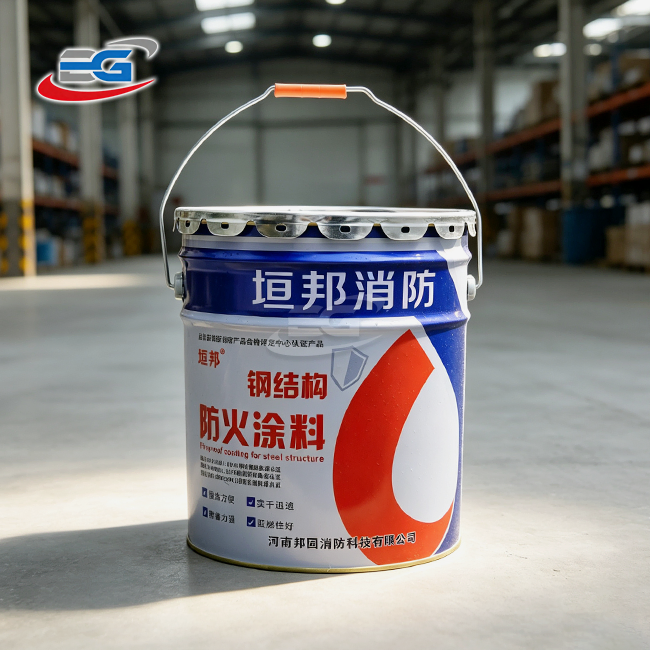
Banggu Fanghuo's industrial fire-resistant coatings can be applied by brushing or spraying. Which method you use relies on the project size and shape of the base. Here are the most important steps for a clean program that works:
- Brush application works well for edges, joints, and irregular shapes. Apply in smooth, even strokes without overloading the brush. Build thickness in multiple thin passes rather than one heavy coat.
- Airless spray application is preferred for large flat surfaces such as steel columns and walls. Maintain a consistent gun distance of 30–50 cm and overlap each pass by 30% to avoid dry spray or thin spots.
- Rolling is suitable for smooth, flat concrete or masonry walls where a moderate build is acceptable.
Before adding the next coat, the surface of the last one must be dry. Normal conditions mean that surface drying doesn't take more than four hours. This keeps application schedules on track for projects with tight deadlines for commissioning.
Post-Application Inspection and Maintenance
Use a dry film thickness (DFT) gage to check the film thickness after the final coat hardens completely within 24 hours. Check for holidays, pinholes, and delamination on the spot. For outdoor uses where the finish will be exposed to UV light for at least five years, you need a topcoat that protects against UV light and weather. Set up follow-up checks once a year for places that are at high risk. As part of the fire safety acceptance package, which is usually required when a project is officially signed off, inspection results must be written down.
Choosing the Right Flame Proof Coating for Your Needs
Matching Coating Type to Substrate
Not every fire-resistant layer works the same way on every base. Steel structural members, concrete walls, and wood framing all react to heat and chemicals on the surface in different ways. Banggu Fanghuo's product line includes all three types of substrates in a single purchase. This saves time and money by eliminating the need to coordinate getting different specialized products from different vendors. This ability to work with different substrates is especially useful for buildings that are made of different types of materials, like factories that have steel frames, concrete panel walls, and wooden roofs.
Certifications That Matter
Acceptance by regulators depends on test results that can be proven, not just promises about the goods. Ask for third-party test reports citing ASTM E119, BS 476 Parts 20–22, or UL 263 when looking at fire-resistant paint and flame proof coating providers. This will depend on where you live. Banggu Fanghuo's goods are certified by ISO 9001, ISO 14001, and ISO 45001, and they also have CE and FDA marks. They also meet GB 8624-2012 Class A Non-combustible standards. Most areas in the Middle East and Southeast Asia need these licenses to make sure they are following the rules.
Environmental and Indoor Air Quality Factors
VOC content is a real problem in industrial settings with limited air flow. Banggu Fanghuo's water-based formulas have a VOC content of ≤100 g/L, which is well below the limits that are acceptable for industrial buildings that are occupied or mostly occupied. Solvent-based versions are UN1263 Class 3 (flammable liquid), and they need the right safety controls at the job site while they are being used and stored. All of the goods should be kept dry and between 5 and 45°C. Water- and solvent-based versions can be kept for 12 months, while cement-based versions can be kept for 6 months.
Procurement Considerations for B2B Buyers
Evaluating Suppliers
For procurement teams in charge of $300,000 to $3,000,000 single-project coating funds, the dependability of the seller is just as important as the product specification. There are three things you should look for in a flameproof coating manufacturer: manufacturing quality certification (at least ISO 9001), verified test reports from accredited third-party labs, and proof that they have the supply chain to handle large orders that are consistently filled. Banggu Fanghuo was founded in 2019 and has 30 years of manufacturing experience from Henan Tiantan Anti-corrosion Co., Ltd. They have both land and sea transport permits, which helps make sure that foreign projects are delivered on time.
Bulk Pricing and Lead Times
Usually, it takes three to eight weeks from the first inquiry to the first delivery of industrial fireproofing. Buying in bulk usually lowers the cost per unit, and companies that offer OEM and ODM services let you customize the packing and branding for your project, which some engineering contractors need for their own project paperwork. Banggu Fanghuo offers flexible OEM and ODM options, as well as pre-sales selection help, construction technical support, and fire safety approval paperwork for flame proof coating products to make sure that procurement teams meet acceptance milestones on time.
Case Studies and Proven Results
Fire Risk Reduction in Chemical Plants
During internal safety checks, a chemical company that changed the coating on its structural steel to meet a three-hour flame penetration resistance standard saw a clear drop in the number of fires that spread. After the fireproof coating was put on, steel columns that had changed color after heat events kept their structural integrity. This shows that approved passive fire protection has real-world value beyond what compliance papers alone show.
Insurance and Lifecycle Cost Data
FM Global's Property Loss Prevention Data Sheets say that buildings with certified passive fire protection on structural elements may be able to get lower property insurance rates. The long-term cost of a properly chosen and maintained fire-resistant coating—which is usually checked every one to three years—is a lot less than the cost of fixing or replacing a building after a fire. As a result, the covering is an investment with a clear return, not just a legal cost.
Conclusion
Putting fire-resistant coatings on the outside of industrial buildings is an organized process that works best when you prepare, choose the right product, and use the same method every time. How long the coating lasts in terms of fire resistance depends on how clean the surface is, the conditions around it, how well it sticks to the substrate, and how thick the film is. For places that do high-risk processes that could catch fire, a flame proof coating that is flame-resistant for three hours and has Grade 1 corrosion performance gives a measured safety cushion. Working with a qualified provider who can help with choice, test paperwork, and reliable supply handling makes the whole process more predictable and less likely to need expensive rework.
FAQ
Are flame proof coatings truly fireproof?
No coating can completely keep fire away from a surface. When these things are fire-resistant, they stop a fire from starting and slow its spread for a set amount of time, usually 30 minutes to three hours, depending on the requirements. Set fire tests, like ASTM E119 or BS 476, are used to confirm the stated resistance time.
Can facility maintenance staff apply the coating themselves?
When the surface is ready, trained in-house upkeep teams can use a brush or roller to apply the paint to simple surfaces like concrete walls or big steel panels. It is best to hire a professional application contractor with DFT verification equipment for structural steelwork that has complicated geometry or high-stakes fire resistance requirements to make sure the dry film thickness meets all the design requirements.
Is low-VOC fire-resistant coating available for indoor facilities?
Yes. There are water-based fire-resistant coatings that can be used indoors in fully or partially occupied buildings and have a VOC level of 100 g/L or less. Because these formulations are safe to transport and store, they can be used for both domestic and international purchases. You can also use solvent-based choices if you need a thicker build or certain binding properties, but there are safety rules that must be followed on the job site.
Partner with Banggu Fanghuo for Your Next Fireproofing Project
Industrial buyers in the US and around the world can get approved flameproof coating options from Banggu Fanghuo. We are a reliable provider of flameproof coatings with ISO 9001, ISO 14001, ISO 45001, CE, and FDA certifications. We can help you with your project from choosing the right product to filling out the paperwork for fire safety acceptance. Get in touch with our expert team right away to get a quote, a sample of the product, or a building advice package that is made just for your facility. You can email us at admin@bgfireproof.com.
References
1. NFPA 101: Life Safety Code. National Fire Protection Association, 2021.
2. FM Global. Property Loss Prevention Data Sheets: Fireproofing of Structural Steel. FM Global, 2020.
3. ASTM International. ASTM E119: Standard Test Methods for Fire Tests of Building Construction and Materials. ASTM International, 2022.
4. British Standards Institution. BS 476 Parts 20–22: Fire Tests on Building Materials and Structures. BSI, 2019.
5. Underwriters Laboratories. UL 263: Standard for Fire Tests of Building Construction and Materials. UL, 2022.
6. International Organization for Standardization. ISO 834: Fire Resistance Tests—Elements of Building Construction. ISO, 2021.

USER EVALUATE
Here is the customer's evaluation of us
YOU MAY LIKE
 VIEW MOREFire retardant coating for cable non-toxic
 VIEW MOREFire retardant paint for cable
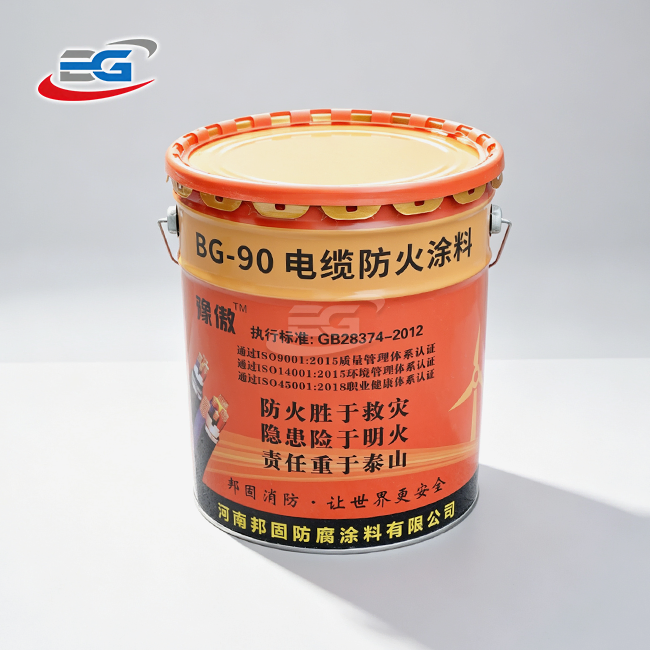 VIEW MOREFireproof paint for electrical cable
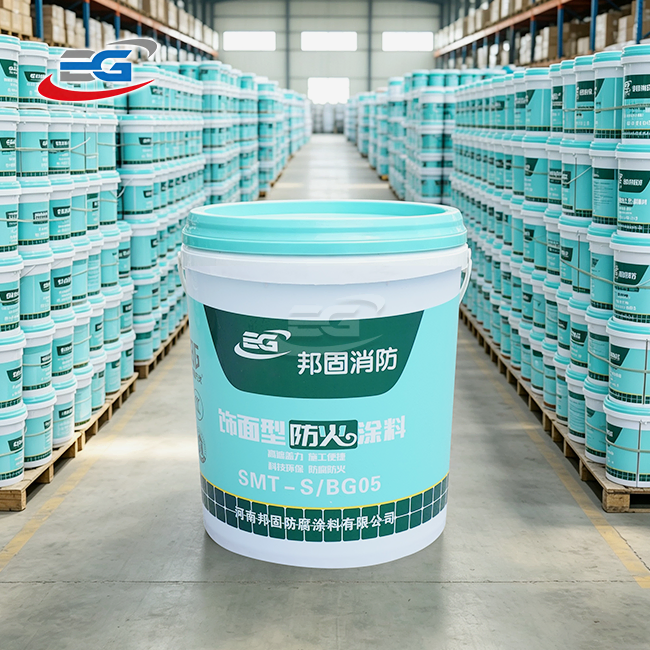 VIEW MOREFire retardant finish coating
 VIEW MOREFireproof Coating for Steel Structures for steel beams
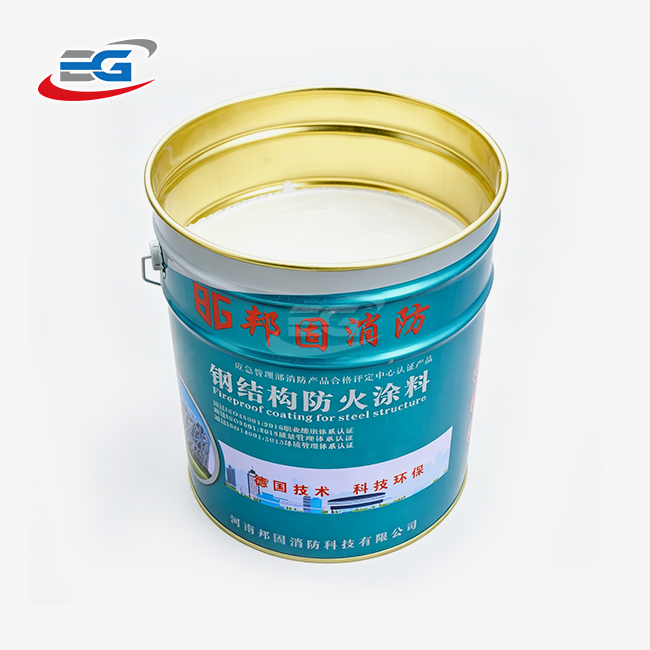 VIEW MOREIndoor intumescent fire retardant coating for steel structure
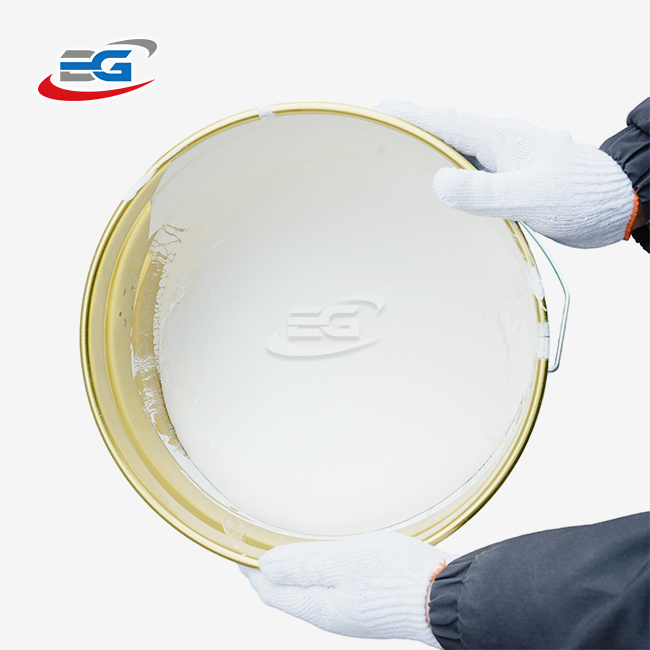 VIEW MOREeco-friendly fireproof coating
 VIEW MOREfire resistant coating