



How to Choose Fire Retardant Coating for Cable Safety and Compliance
Choosing the right fire retardant coating for cable protection starts with understanding what your project actually needs. The coating must bond firmly to cable jacket materials like PVC or XLPE, resist flame spread without cracking under flexion, and meet the fire rating required by your local authority. Key parameters to check include fire resistance duration (≥1.5 hours), flame-retardant grade, temperature tolerance, VOC compliance, and service life. Whether you are a cable manufacturer integrating coatings into your production line or a contractor specifying materials for a tunnel or data center, getting these criteria right determines whether your installation passes inspection and performs when it counts.
Understanding Fire Retardant Coating for Cables
It's helpful to know what these finishes do and how they vary from one another before you buy anything. This difference has a direct effect on which product should be on your specification sheet.


What the Coating Does During a Fire
A fire-resistant layer on a wire does more than just keep heat away. When an intumescent mixture is heated up, it quickly spreads and forms a thick layer of carbonized char. This char keeps the cable core warm, slows the flow of heat, and stops the combustion cycle. In vertical cable shafts, the "chimney effect" can quickly spread flames from one floor to another. This process buys important time for people to get out of the way and put out the fire.
How It Differs From Fire-Resistant Cable
Mineral insulation, which naturally resists fire, is used to make fire-resistant cables. In contrast, fire retardant coating for cables are added to existing cables, such as standard PVC- or XLPE-jacketed types, to improve their ability to spread fire without having to replace the cable itself. In places where replacing all the cables would be too expensive, an approved covering is often the best way to make the building work again.
Relevant Standards and Certifications
Products sold in the U.S. should meet the standards of the National Electrical Code (NFPA 70), the UL 1685 flame spread test, and the IEC 60332 series. IEC 60754 sets rules for halogen gas emissions during burning around the world. Halogen-free, low-smoke formulas directly address this standard. Don't just ask for a product claim; always ask for the test proof as well.
Key Criteria to Consider When Choosing Fire Retardant Coating
Once you know the basics, you can use clear performance and compliance criteria to narrow down your choices. Most of the time, the following factors decide whether a treatment works in real life.
Adhesion to Cable Jacket Material
Because PVC and XLPE jackets have low surface energy, many coatings peel or delaminate when the temperature changes and the jacket is bent. The most common failure in the field can be avoided by using a coating that sticks to these surfaces and has been tested for peel strength at the plant. The fire retardant coating for cable on Banggu Fanghuo cables is ≤1 mm flexible without cracking, which means it moves with the wire instead of against it.
Fire Performance Parameters
The numbers are important. It should be able to withstand a fire for at least 1.5 hours, have a flame-retardant grade of A (or FV-0 by UL classification), give off less than 25 percent of their own heat, and work in temperatures up to 1,050°C. A service life of at least eight years makes sure that the investment lasts the whole project lifecycle without having to be used again too soon. The people who check for fire safety and buying engineers will use these standards.
Environmental and Health Compliance
As project requirements grow, halogen-free, low-smoke coatings are needed to keep toxic gasses from escaping in places like subway tunnels and data centers that are closed off. VOC levels are also getting stricter. Most current U.S. and foreign environmental standards are met by water-based formulas with VOC ≤120 g/L. They also don't pose a risk of fire during storage, unlike solvent-based versions classified UN1263, which need to be stored above 60°C. The production process at Banggu Fanghuo is ISO 14001-certified, and it helps with paperwork for green building applications.
Comparing Fire Retardant Coating Options
There are many types of products on the market, and the best one for you will depend on your budget, application environment, and government rules. This is how the main choices stack up.
Water-Based vs. Solvent-Based Formulations
Coatings that are built on water are best for small spaces. They carry VOC of less than 120 g/L, are not dangerous according to shipping rules, and don't pose an ignition risk when used near live equipment. Solvent-based products can get deeper into worn or dirty surfaces, but they have higher VOC levels (≤650 g/L compliant) and need to be stored in a classified area. Water-based products meet performance goals and are easier to handle for most indoor industrial and commercial cable applications.
Indoor vs. Outdoor Systems
Indoor wire fire retardant coats don't usually have UV stabilizers, so they don't last as long outside. A UV-resistant coating system is needed for wires that will be in direct sunlight or wet places, like on rooftops or in outdoor substations. Banggu Fanghuo suggests using a special layer for outdoor weathering for projects that will be used for more than five years. If you use a product that is only meant to be used indoors outside, it will chalk and lose its stickiness too soon, which will void the fire protection guarantee.
Evaluating Supplier Credibility
The supplier's documentation package, not the product itself, decides whether your project passes technical review. Ask for ISO 9001 quality certificates, English-language fire test reports from a third party, records of how consistently each batch was made, and technical data sheets (TDS) that are formatted to meet the standards in your area. Cable makers who want to bid on exclusive products will benefit in the long run from suppliers who can do both OEM and ODM, which means they can co-develop formulas or produce according to your brand's specifications.
Practical Guide to Applying Fire Retardant Coating on Cables
If the conditions of the application are wrong, even a well-specified product won't work. These steps will stop the most common startup mistakes.
Surface Preparation and Application Conditions
Before covering, the wire surface needs to be clean, dry, and free of any oxide or grease that might be on it. You should use it when it's between +5°C and 40°C, the relative humidity should be below 85%, and the substrate temperature should be at least 3°C above the dew point. When applied in cold or condensation-prone situations, the adhesion fails at the substrate contact. This flaw might not show up until the first thermal cycle.
Spray Application and Film Thickness
Spray application makes the most even film thickness (about 0.5 to 1 mm per pass), and it works with automated line coating for cable manufacturers. Because it is thin-film, the coating doesn't add much weight to wire bundles and doesn't affect how well they carry electricity or how flexible they are. Curing can be finished by air-drying at room temperature, which doesn't require any extra tools and keeps production rates high.
Post-Application Inspection and Maintenance
After putting the film down, check it for pinholes, uneven covering, or places where it has risen at the edges of the tray or where it ends. These are the places where flames can go. For long-term projects, plan a visual check every three years and a full adhesion pull test every five years. If you use a UV/weather system outside, you should check the topcoat once a year for chalking or cracking, and if you see any, you should reapply the coating.
Procurement and Compliance Considerations for Global B2B Clients
When buying cable fire protection materials for international projects, procurement teams have to deal with more paperwork and logistics than they would have to in the United States.
Aligning Specifications to Regional Standards
NFPA 70, UL ratings, and local building rules are used in North American projects. In the Middle East and Southeast Asia, infrastructure projects often need both IEC-based certifications and approvals from the local government. Banggu Fanghuo is certified by CE and provides English-language TDS and test reports that are formatted for both regional frameworks. This makes it easier for project engineers to do technical evaluation documentation.
Total Cost of Ownership vs. Unit Price
The price per kilogram is just one factor. The real cost per protected cable meter depends on the coverage rate, the required dry film thickness, how often it needs to be applied again, and the shipping classification (water-based products are not hazardous, but solvent-based products have UN1263 freight surcharges). For cable makers who place framework orders once a year, batch consistency has a direct effect on production output. If the coating isn't consistent, rejects and rework cost more than any difference in unit price.
Building Long-Term Supplier Relationships
For cable OEM clients, the qualification process usually takes between one and three months. It includes tests for compatibility and adhesion, a small-batch trial coating, being listed as an approved supplier, and signing a framework supply agreement. Banggu Fanghuo helps with this process by providing samples, test results for compatibility between PVC and XLPE substrates, and expert support that is available 24/7. On-site application advice and fire safety approval support are part of the service package and help tunnel and transit infrastructure projects.
Conclusion
To choose a good cable fire protection coating, you need to make sure that the technical specs—like fire resistance length, adhesion, VOC compliance, and service life—fit your application setting and the rules that apply to it. Verified test data, substrate compatibility, and the right way to apply the coating are often what make the difference between one that passes inspection and one that works in a fire. Each of these needs is met by Banggu Fanghuo's fire retardant coating for cable systems, which has proven performance, flexible supply options, and technical support throughout the entire project lifecycle. Use proof, not just product claims, to make your design choice.
FAQ
Do all cable types need a fire retardant coating?
Even though it's not necessary in all setups, any wire path that goes through fire chambers, vertical stairs, or enclosed transit areas should be handled. Flames can spread quickly along trays with standard PVC-jacketed cables. Using a qualified cable fire protection coating makes them work better so they meet NFPA 70 or IEC 60332 standards without having to buy new cables.
How often should fire retardant coatings on cables be re-inspected?
For indoor installations, a visual check should be done every three years as a minimum. Every year, systems outside that have a UV/weather topcoat should be checked. If adhesion loss, chalking, or physical damage is found, targeted reapplication should happen right away instead of waiting for the next cycle.
What is the difference between fire retardant and fireproof coatings?
Fire retardant layers slow the spread of flames and stop fires from spreading along the surfaces of cables. Fireproof (also called fire-resistant) coatings are meant to keep structures together and stop fires from spreading for a certain amount of time. They are usually put on structural steel. For wire uses, it is necessary to have fire retardant grades and a fire resistance time of at least 1.5 hours.
Can one coating work for both indoor and outdoor cable runs?
Not without some changes. Outdoors, indoor formulations will break down because they don't have UV stabilizers. For projects that will be used in both indoor and outdoor areas, choose a system that comes with a UV/weather-resistant topcoat. This extra layer is needed to keep the fire protection working for installations that will be outside for more than five years.
Get a Custom Cable Fire Coating Specification From Banggu Fanghuo
There is a wide range of fire retardant coating for cables available from Banggu Fanghuo. These range from water-based indoor systems to weather-resistant outdoor setups. As a manufacturer of fire retardant coating for cables with ISO 9001, ISO 14001, and CE certification, we offer test documentation in English, OEM/ODM production, and technical support to cable makers and infrastructure contractors all over the world. Ask for a matching sample or price on a large order today. You can email us at admin@bgfireproof.com.
References
1. National Fire Protection Association. NFPA 70: National Electrical Code. NFPA, 2023.
2. International Electrotechnical Commission. IEC 60332-3: Tests on Electric and Optical Fibre Cables Under Fire Conditions — Part 3: Test for Vertical Flame Spread. IEC, 2018.
3. International Electrotechnical Commission. IEC 60754-1: Test on Gases Evolved During Combustion of Materials from Cables. IEC, 2011.
4. Underwriters Laboratories. UL 1685: Standard for Vertical-Tray Fire-Propagation and Smoke-Release Test for Electrical and Optical-Fiber Cables. UL, 2015.
5. Troitzsch, J. Plastics Flammability Handbook: Principles, Regulations, Testing, and Approval. Hanser Publishers, 2004.
6. Weil, E. D., & Levchik, S. V. Flame Retardants for Plastics and Textiles: Practical Applications. Hanser Publishers, 2009.

USER EVALUATE
Here is the customer's evaluation of us
YOU MAY LIKE
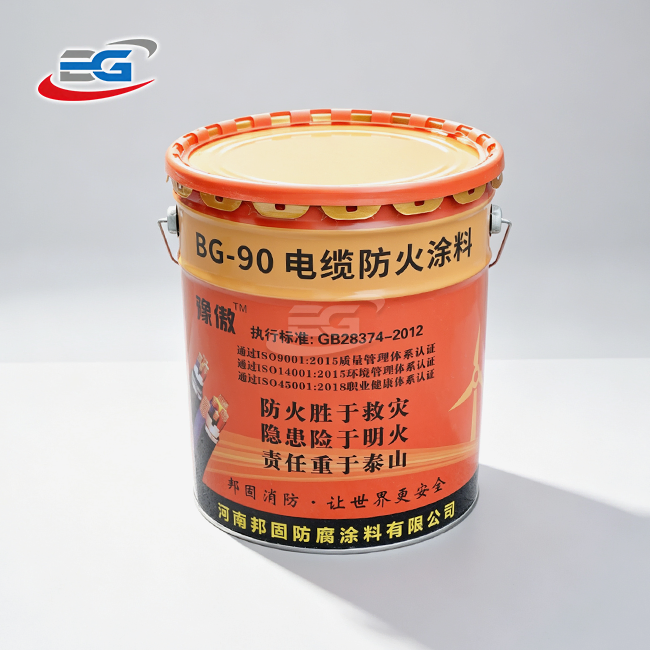 VIEW MOREFireproof paint for electrical cable
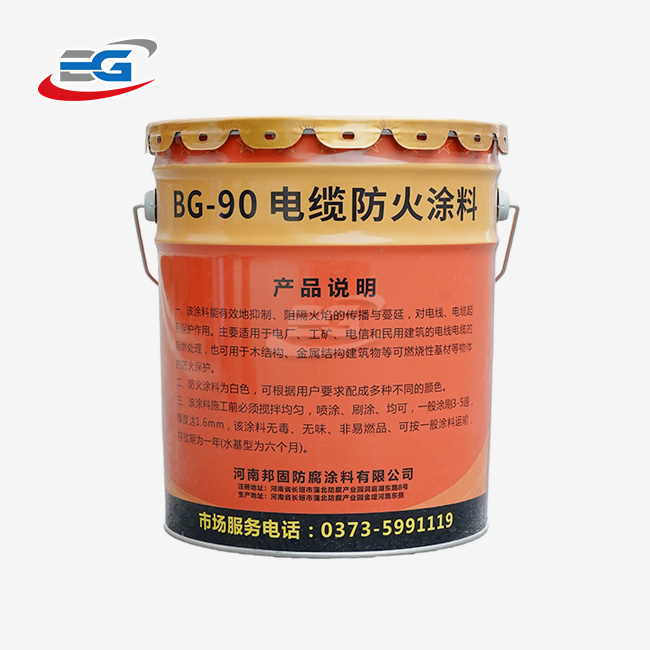 VIEW MOREfire retardant cable coating
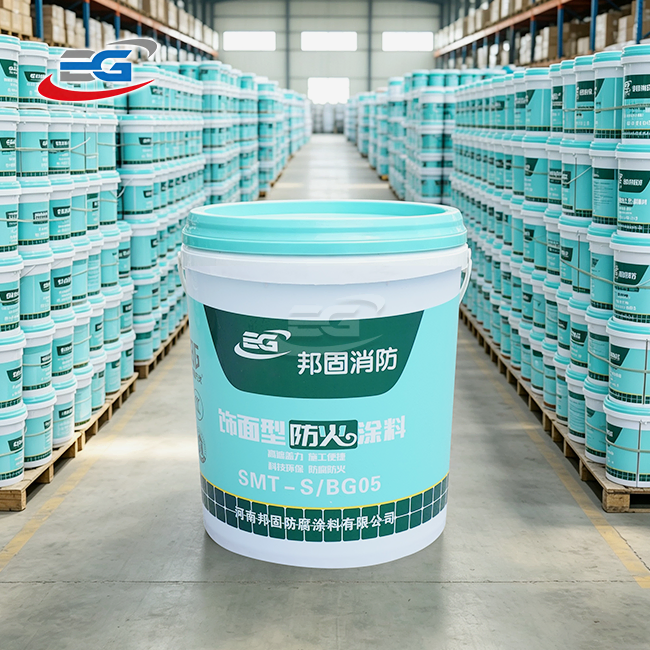 VIEW MOREFire retardant finish coating
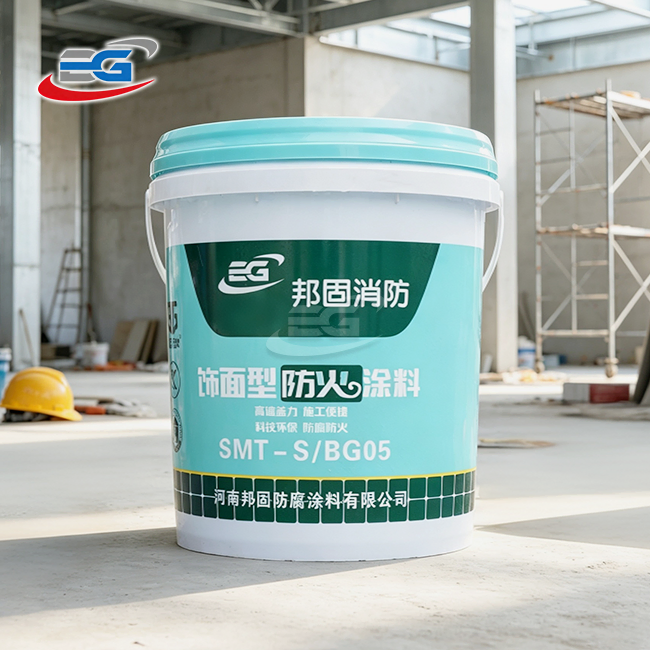 VIEW MOREDecorative fire retardant coating
 VIEW MORESteel Structure Fireproof Coating
 VIEW MOREFire Resistant Coating for Steel Structures
 VIEW MOREdurable fireproof coating
 VIEW MOREwater-based fireproof coating