



How to Choose Fireproof Paint for Steel Structures: A Buyer's Guide
Choosing the right fireproof paint for steel structures is one of the most consequential decisions a fire protection subcontractor will make on any project. The wrong product means failed film thickness checks, adhesion failures, and costly rework. The right one means passing fire inspection on the first walk-through and protecting your margin. This guide walks through what these coatings actually do, the technical benchmarks that matter, how to compare products objectively, and what a smart procurement process looks like—so you leave with a clear framework, not just a list of brand names.
Understanding Fireproof Paint for Steel Structures
Steel doesn't catch fire, but when it gets to 550°C (1,022°F), it loses about half of its ability to hold weight. When there is a full-blown compartment fire, that temperature can be reached in less than ten minutes. Fireproof paint for steel structures buys time for people to leave and put out the fire.
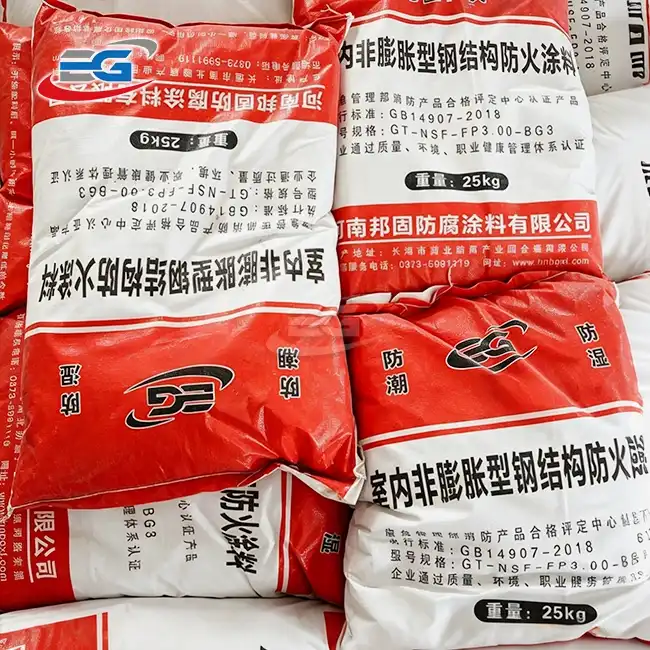
How Intumescent Coatings Work?
When heat hits an intumescent layer, a chemical reaction makes the covering foam and grow—sometimes up to 50 times its original dry film thickness. This creates a carbonaceous char that doesn't carry heat well (≤0.12 W/m·K). This char wraps around the steel member and acts as an insulator. It slows the rise in core temperature and increases structural integrity by 0.5 to 3 hours for thin-film systems and by 2 to 6 hours for thick-film systems.
Fire Resistance Ratings Explained
Ratings are given in half-hour, hourly increments of 0.5h, 1.0h, 1.5h, 2.0h, 2.5h, and more. Each rating corresponds to a specific dry film thickness (DFT) for a certain steel section factor (Hp/A). The most common reason why fire tests on steel frame projects fail is getting the wrong rating or reading the thickness-to-rating curve wrong.
VOC Standards and Environmental Compliance
Water-based intumescent coatings have a VOC level of less than 120 g/L, which means they can be used in protected or occupied spaces. Solvent-based systems can handle up to 650 g/L and are flammable liquids (UN1263, Class 3) above 60°C flash point. The water-based method usually meets both environmental rules and LEED documentation needs for indoor stadiums, hospitals, and business high-rises without the need for any extra permits.
Key Criteria for Choosing Fireproof Paint for Your Steel Structures
Technical standards must be met, but there are other things that decide whether a product works on a real job site as well as in a test lab.
Certification and Test Reports
Every batch sent to the site should have a Certificate of Analysis (COA) that can be tracked and a fire test report from a recognized laboratory. ASTM E119, UL 263, BS 476 Parts 20–21, EN 13381-8, or China's GB 14907-2018 should all be met. The main reason for rework claims is that batch test data and on-site DFT measurements don't match up.
Adhesion and Substrate Compatibility
When put on top of the given primer, the adhesion strength must be at least 0.15 MPa (based on pull-off testing). When fireproof paint for steel structures and primers aren't compatible, they can fail. When this happens, blistering and delamination have been seen during thermal cycling. Before you sign off on a bill of materials, you should always ask your seller for a proven primer compatibility list.
Application Conditions and Drying Window
Use only when the temperature outside is between +5°C and +40°C, the relative humidity is ≤85%, and the ground temperature is at least 3°C above the dew point. Most thin-film water-based systems dry to the touch in 30 to 90 minutes, and they are fully cured in 12 to 24 hours. These windows have a direct effect on how much you spray each day and on your schedule.
Comparing Fireproof Paint Solutions in the Market
Thin-film intumescent paints are most common on uncovered ornamental steel, and thick-film cementitious or epoxy-based finishes are used in industrial and hydrocarbon fire situations. Each has real pros and cons.
Thin-film water-based fireproof paint for steel structures, like the ones Banggu Fanghuo sells, have a smooth finish, dry quickly, add little weight to the structure, and are VOC-compliant. They work well in hospitals, high-rise buildings, and arenas where looks and air quality are important. The coating is usually between 3 and 10 mm thick at the minimum DFT for values of 1.0 to 2.0h on standard I-sections.
Thick-film cementitious coats give up the beauty of the finish for more thermal mass. They save money on industrial plants where looks don't matter, but they add a lot of extra work and need much longer drying times between coats, which makes the schedule longer.
When hydrocarbon fire curves are used, epoxy intumescent systems are most common in industrial and marine settings. Their price per square meter is much higher, and they need to be used in more controlled conditions. However, they have fire resistance rates of up to 4 hours in the worst heat exposure situations.
The price per liter is not the right way to compare cost and effectiveness; what matters is the cost-per-rated-hour-of-protection per square meter of steel surface. If the unit price is lower but the application needs to be thicker, the total cost of the material may not go down.
How to Procure Fireproof Paint for Your Steel Projects?
Getting a fireproof paint for steel structures subcontract is not like buying something on the spot. Your margin and review record are safe with an organized method.
Vendor Evaluation Checklist
Before putting in a framework order, make sure that each candidate supplier can confirm these four things:
- Certifications on file: ISO 9001, ISO 14001, ISO 45001 certifications on file, as well as national fire product test certificates that meet the rate range you need.
- Batch consistency documentation: Ask for test data from three production runs in a row, not just the qualification sample.
- Supply chain capacity: Make sure the factory can meet your highest monthly demand without having to switch raw material sources in the middle of a project.
- Technical support scope: You should ask for on-site or remote DFT verification support, help with inspection documentation, and a dedicated project engineer contact.
These standards are important because supply problems, not failed products in a test oven, are the main cause of site disagreements on big steel frame projects.
Requesting Samples and Pilot Application
Before committing to full volume, you should always do a pilot panel on the primer system you want to use. Apply the bare minimum of DFT for the grade you want, let it cure completely, and then do bond pull-off tests. This one step gets rid of most surprises about compatibility before they become a problem with the contract.
Logistics, Storage, and Shelf Life
The shelf life of water- and solvent-based goods is 12 months, while the shelf life of cement-based systems is only 6 months. Keep in a dry place between 5°C and 45°C. Solvent-based products need to be stored and transported in a way that meets the standards for UN1263 Class 3 flammable liquids. When you compare shipped prices, don't forget to include these shipping costs.
Best Practices and Application Tips
Preparing the surface to be as clean as a Sa 2.5 blast and confirming the anchor shape is the only step that can directly predict long-term sticking for fireproof paint for steel structures. Over mill scale or pollution, no coating method works as well as it should.
When applying an airless spray to a large steel frame with the tip size and pressure suggested by the manufacturer, it gives the most consistent control over the wet film thickness (WFT) and the most work per day. It's fine to use a brush for touch-ups and small details, but it's too slow and uneven for main covering on structure members. Use a comb gauge to check the WFT while the paint is being applied, and a calibrated electromagnetic gauge to map the DFT after the paint has dried. Keep a record of your measurements; it will serve as your inspection report.
Because intumescent layers aren't naturally weatherproof, they need a UV-stable finish when the service life is more than five years. When steel is kept inside a climate-controlled shell, it doesn't need a rusting finish. This saves money on materials and time.
Conclusion
The choice of the right fireproof paint for steel structures affects every part of a project, from the detailed bid to the final fire test. Match the fire resistance grade to the section factor, make sure it sticks to the primer, check the batch paperwork before the material gets to the job site, and pick a source that can help you with the inspection process, not just sell you stuff. When you do these things correctly, passing fire acceptance stops being a surprise and starts being a source of comfort.
FAQ
How long does intumescent fire protection paint last on steel?
Thin-film intumescent systems usually work well for 10 to 25 years indoors if they are put on correctly over a compatible primer and protected by the right topcoat. Outdoor uses that don't have a UV-resistant finish will break down faster; for outdoor use to last longer than five years, a weathering topcoat is needed.
What is the difference between thin-film and thick-film fireproof coatings?
Thin-film intumescent coatings (3–10 mm DFT) get thicker when heated and form a char layer. They are mostly used on commercial and architectural steel where looks are important. Thick-film cementitious coats (up to 50 mm) depend on thermal mass and are used on structural steel in factories where the beauty of the finish is not important.
Can I use the same product indoors and outdoors?
The base layer of intumescent material is usually the same, but if it's going to be outside, it needs an extra UV and weather-resistant end coat. Without it, the binder breaks down in the sun and water, making it less sticky and less fire-resistant over time.
What application temperature is required?
Use between +5°C and +40°C, with less than 85% relative humidity and at least 3°C above the dew point of the ground. If you don't follow these rules, you might end up with a bad picture and less adhesive.
How do I confirm a product meets my required fire rating?
Get the manufacturer's fire test report from a recognized lab, figure out the section factor (Hp/A) of your steel members, and compare it to the thickness-to-rating data table in the report. There should be a COA on each batch that can be linked to the test results.
Get the Right Steel Structure Fire Protection Coating — Talk to Banggu Fanghuo
Certified fireproof paint for steel structures from Banggu Fanghuo. This paint has ISO 9001, ISO 14001, and ISO 45001 credentials, full batch documentation, and dedicated project support from the bid stage to the fire inspection. We have been making safe paint for steel structures for over 30 years and offer both water-based and solvent-based systems. We are also flexible with OEM/ODM orders and can reliably meet large-scale supply needs. To get a DFT-rating reference table and a product sample for your next project, email our team at admin@bgfireproof.com.
References
1. Society of Fire Protection Engineers. SFPE Handbook of Fire Protection Engineering. 5th ed., 2016.
2. American Institute of Steel Construction. Steel Construction Manual. 16th ed., 2023.
3. Intertek Group. Fire Resistance Testing of Building Elements: Standards and Procedures. 2020.
4. ASTM International. ASTM E119: Standard Test Methods for Fire Tests of Building Construction and Materials. 2022.
5. British Standards Institution. BS 476-20: Fire Tests on Building Materials and Structures. 1987, reaffirmed 2019.
6. Wang, Y. C., Burgess, I., Wald, F., & Gillie, M. Performance-Based Fire Engineering of Structures. CRC Press, 2012.

USER EVALUATE
Here is the customer's evaluation of us
YOU MAY LIKE
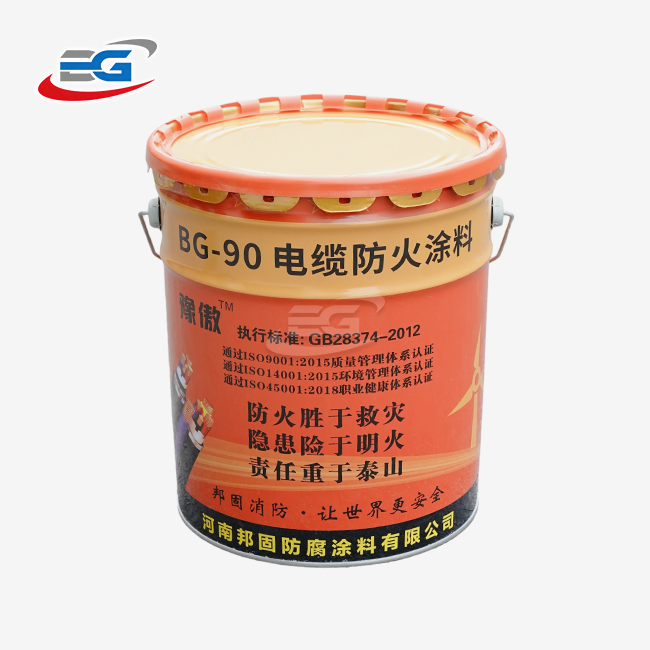 VIEW MOREFire retardant paint for cable
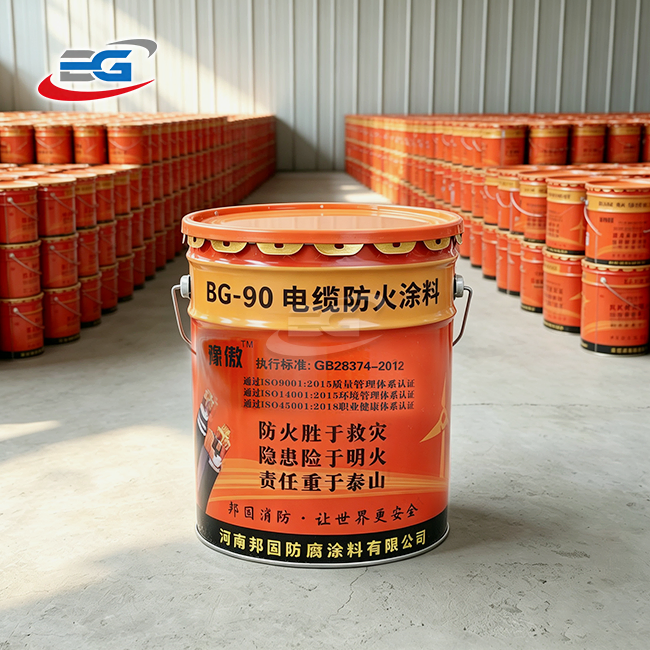 VIEW MORECable fireproof coating
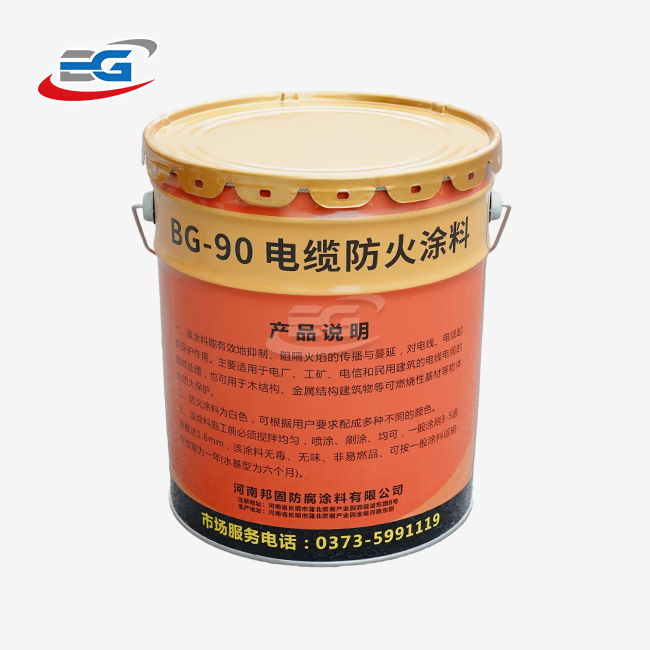 VIEW MOREfire retardant paint for electrical cables
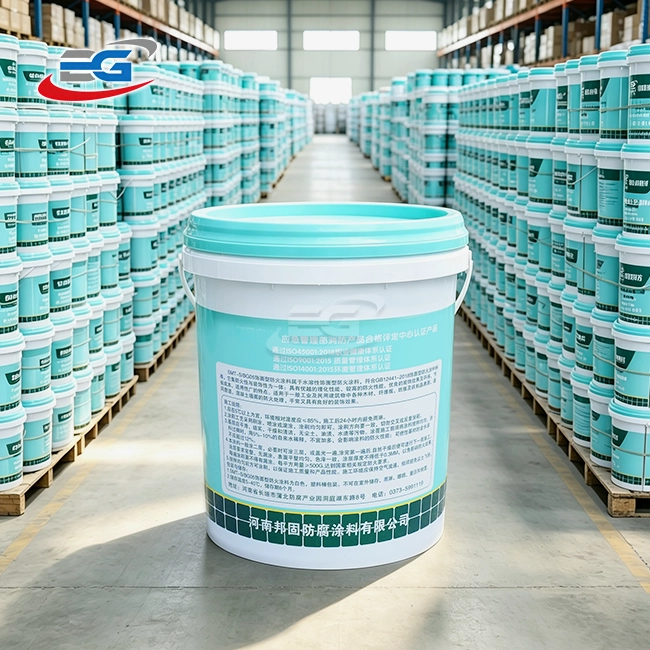 VIEW MOREHigh Adhesion Finishing Fire Retardant Coating
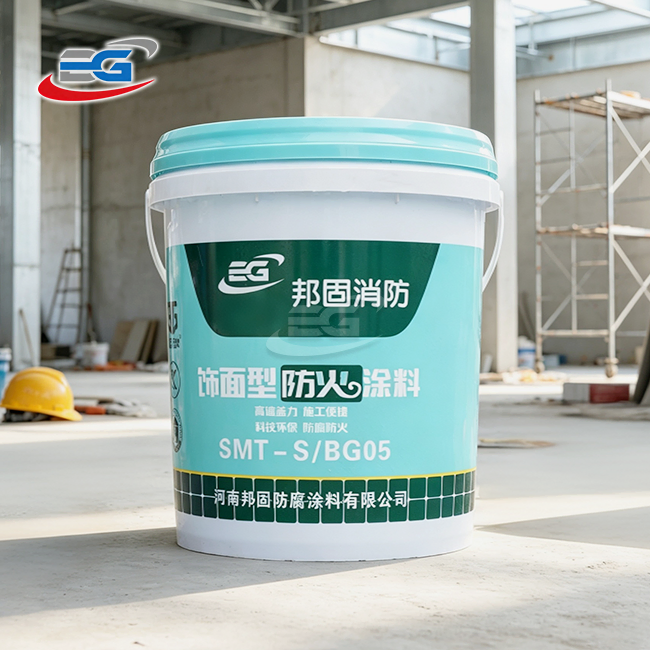 VIEW MOREDecorative fire retardant coating
 VIEW MOREFireproof Coating for Steel Structures anti-corrosion
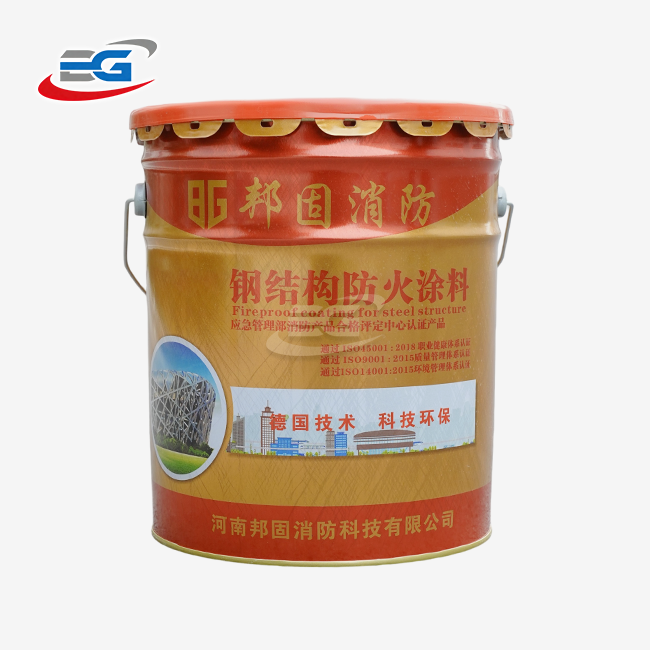 VIEW MOREFireproof Coating for Steel Structures long fire resistance time
 VIEW MOREfireproof coating for buildings