



Top Interior Fireproof Coating Benefits for Commercial Interiors
When selecting fire protection materials for a commercial building, interior fireproof coating is one of the most practical choices available today. These coatings are applied directly to indoor surfaces — wood panels, drywall, ceilings, and doors — to slow flame spread and protect building occupants. Unlike bulky spray-applied cementitious systems, a properly formulated interior fire retardant coating delivers fire resistance of at least one hour while maintaining a clean, decorative finish. For B2B buyers managing hotel fit-outs, office renovations, or mall interiors, this "fire protection plus decoration in one coat" approach cuts both labor and materials cost.
What Is Interior Fireproof Coating and How Does It Benefit Commercial Interiors?
An interior fireproof coating is a type of passive fire protection (PFP) that is put on inside walls. When the temperature gets too high, the coating responds by growing a thick layer of carbonaceous char that protects the base and slows down structural deformation. This move buys important time to get out of the building without using active systems like sprinklers.
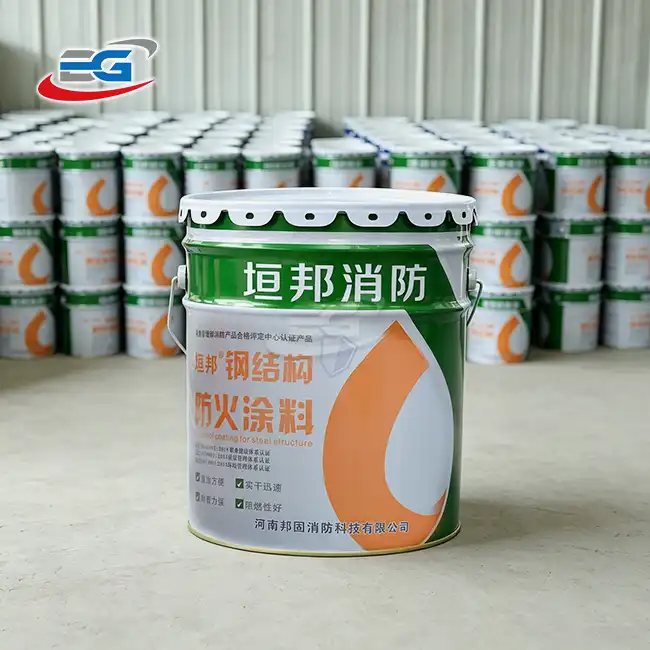
Protection That Goes Beyond the Surface
Normal latex paint doesn't stop the spread of fire in any way. On the other hand, an intumescent fire-resistive covering acts as a sacrifice thermal barrier that soaks up heat energy. In business spaces with open wooden wall panels or gypsum board walls, this thermal delay can mean the difference between an event that stays contained and a full structural loss.
Compliance With Fire Safety Standards
In the US, commercial projects have to follow rules like IBC Chapter 8 and NFPA 101, which are about life safety. Products that have been approved by GB 8624-2012 Class A non-flammable that has been tested to meet ASTM E84 flame spread index standards gives procurement teams the proof they need for insurance audits and inspections. Banggu Fanghuo's water-based recipes are certified by ISO 9001, ISO 14001, and ISO 45001, and they also meet CE standards, so they can be used for foreign projects.
Why Indoor Spaces Need a Dedicated Formula?
Indoor interior fireproof coatings are specially made for places that are closed off. That they aren't resistant to UV light and bad weather is on purpose, not because they can't. Putting on an outdoor-grade finish inside would bring in too many solvents and a bad smell. Formulations made for indoor use keep VOC levels at or below 120 g/L (water-based), which protects the air quality for people who return to the place within days of application.
Top 5 Benefits of Using Interior Fireproof Coating in Commercial Interiors
Picking the best fire-resistant wall treatment will pay off throughout the whole project. Here are the five main benefits that B2B procurement teams care about the most:
- Fire Resistance ≥ 1 Hour: The interior fireproof coating from Banggu Fanghuo has a fire resistance rating of at least one hour, which is the minimum level needed by most commercial building codes in the U.S. and around the world. The National Fire Protection Association (NFPA) says that exposed wood frames can fail structurally in less than 10 minutes at temperatures above 300°C. This means that rated protection must be used at all times.
- Low-VOC, Low-Odor Formula: The finished product has a VOC content of less than 30 g/L, and the surface dries in less than four hours. This means that crews can quickly apply the coating and leave. Hotel renovations and office renovations that are already filled benefit the most because renters don't have to worry about fumes when they return.
- Multi-Substrate Compatibility: It usually doesn't need a separate bonding primer to stick to wood, gypsum board, metal doors, and MDF panels. This compatibility makes buying easier when more than one type of surface is needed for the same job.
- Decorative Finish, No Topcoat Needed: Unlike gray-colored cementitious fireproofing, this finishing-type coating comes in many colors and has a smooth, paint-like look. Designers have more freedom with their style choices, and project managers don't have to pay workers to do the finish step.
- Cost-Efficient at Scale: When you use thin film, you use less material per square meter. With Banggu Fanghuo's land and sea shipping permits and bulk order prices, procurement managers who are in charge of more than one job site can use the same product and cut the cost per unit by a large amount.
These five benefits address the most common problems that interior fit-out contractors have, such as complaints about the air quality, short handover times, job sites with a lot of different materials, standards about how the space should look, and price constraints. All of these reasons make it clear that you should switch from regular fire safe paint to a qualified intumescent finishing system.
Comparing Interior Fireproof Coatings With Other Fire Protection Solutions
Not every fire safety item works for every job. Knowing the differences helps buying teams avoid making mistakes that cost a lot of money with specifications.
Fire Retardant Paint vs. Fireproof Coating
Paint that stops fires usually only slows the start of a fire and does not create a char layer. This type of protection doesn't last as long, and it doesn't always meet the one-hour fire resistance ratings needed for commercial load-bearing elements. On the other hand, an interior fireproof coating is designed to work as promised and comes with test results to back it up.
Fireproof Insulation vs. Surface Coating
Mineral wool and other types of fireproof insulation keep you safe by trapping heat inside, and they work well in wall spaces. Surface coatings, on the other hand, protect finishes that can't be insulated, like wood wall panels, visible steel beams, and interior doors. Both items are useful in their own ways, and they are often used together in the same business building.
Intumescent Paint vs. Finishing-Type Coating
The main type of intumescent paint is called "insulating paint," and the subtype designed just for visible surfaces is called "finishing-type intumescent coating." The type of finishing has better standards for color accuracy, surface smoothness, and the ability to keep smells down. The finishing-type system is best for places like hotel lobbies, office reception areas, and mall hallways where looks are important.
Interior Fireproof Coating Procurement Insights for Commercial Projects
It takes more than just finding the cheapest price per gallon to do the right buying for a fireproofing job.
Evaluating Supplier Certifications
Banggu Fanghuo is CE marked and has ISO 9001 (quality), ISO 14001 (environmental), and ISO 45001 (occupational health) standards. These credentials meet the requirements of most import regulators in the Middle East and Southeast Asia. They also meet the requirements of U.S. general contractors who need third-party quality assurance for their interior fireproof coating systems.
Lead Times and Minimum Orders
For first-time sales, it usually takes two to four weeks for a sample to be confirmed and a color to be matched. Orders that come back faster. Banggu Fanghuo has both land transport permits and the ability to ship goods by sea. This means that importers in North America and Southeast Asia can be sure of on-time deliveries without having to pay more for logistics. Interior fireproof coating products are supplied with consistent quality control to support reliable project schedules.
OEM and ODM Flexibility
If a project needs a private name, it can ask for either OEM manufacturing (the buyer decides on the ingredients and Banggu Fanghuo makes the product) or ODM services (Banggu Fanghuo's already approved product is repackaged under the buyer's brand). Because of this, the business is a good partner for area distributors and material brands that want to add more fire protection products to their line.
Application Process and Best Practices for Commercial Interiors
Choosing the right product is only half the battle. If a well-specified interior fireproof coating is applied wrong, it won't work as well as it should.
Surface Preparation Requirements
The substrates need to be dry, clean, and free of oil or other loose stuff. Before application, the moisture content of the substrate should be checked, and the surface temperature must stay at least 3°C above the dew point. Putting paint on top of a wet gypsum board surface is one of the main reasons why it doesn't stick and peels off too soon. This risk can be avoided by priming and checking for wetness.
Environmental Conditions During Application
The temperature of the application should stay between +5°C and +40°C, and the relative humidity should be at or below 85%. In the U.S., these conditions are normal for business spaces that are being used. For jobs in places with a lot of humidity, like Southeast Asia and the Gulf area, it's best to schedule the application during times when the building is air-conditioned.
Post-Application Inspection and Maintenance
After 24 hours of hard drying, look over the work to see if there are any pinholes, missed spots, or color differences before signing off. Since indoor coatings aren't made to be exposed to UV light or weather, any surface that will be seen from the outside needs a separate UV-resistant finish system. As part of regular building upkeep, interior finishes should be looked at again every two to three years.
Conclusion
A well-chosen interior fireproof coating does three things at once: it follows fire safety rules, protects the design purpose of a business interior, and keeps the project on track. This product category should be a top priority for B2B buying teams looking for fire protection materials for hotels, businesses, or retail buildouts because it has an approved fire resistance, a low-VOC formula, the ability to work with multiple substrates, and a decorative finish. These are the exact standards that Banggu Fanghuo's finishing-type indoor fire protection coatings are made to meet. They come with ISO certifications, flexible OEM/ODM services, and a technical support team that is there to help you.
FAQ
How long does an interior fireproof coating last in a commercial building?
A properly applied interior fireproof coating will keep working at its best for 10 to 15 years in safe indoor settings with controlled humidity and no UV exposure. Banggu Fanghuo says that as part of regular building maintenance, an eye check should be done every two to three years.
Can I apply a decorative topcoat over the fire-retardant coating?
Yes, but the topcoat needs to be checked to make sure it works with the base system. A non-rated topcoat that is too thick can physically stop the intumescent from expanding, which lowers its fire resistance. Always check with the maker to make sure the topcoat works with the product before selecting.
Is this coating suitable for high-humidity indoor spaces?
Up to 85% relative humidity doesn't affect how well the standard water-based recipe works. For places with high humidity all the time, like indoor pools or tropical homes without air conditioning, you should choose a moisture-resistant primer or a solvent-based version instead.
What VOC limits apply to this product?
The water-based internal coating from Banggu Fanghuo has a VOC level of 120 g/L (product standard), but the end specification calls for 30 g/L. This meets the requirements for LEED v4 low-emitting materials points and the limits set by the California Air Resources Board (CARB) for building coatings.
Does Banggu Fanghuo offer color matching and sample services?
Yes. Usually, it takes two to four weeks to check the first sample and match the color. When an order is placed again, the sample step is skipped after a color number is confirmed.
Get Fire-Rated Interior Coating From Banggu Fanghuo — Request a Quote Today
The interior fireproof coating supplier team at Banggu Fanghuo is ready to help you with your next business project. Our team gets back to you quickly whether you need approved samples, detailed datasheets, or the best prices for a large order. We offer OEM/ODM flexibility, shipping by land and sea, and full technical support before and after the sale. To start your question, email us at admin@bgfireproof.com.
References
1. National Fire Protection Association (NFPA). NFPA 101: Life Safety Code. 2024.
2. American Society for Testing and Materials (ASTM). ASTM E84: Standard Test Method for Surface Burning Characteristics of Building Materials. 2023.
3. International Code Council (ICC). International Building Code (IBC), Chapter 8: Interior Finishes. 2021.
4. U.S. Green Building Council. LEED v4 Reference Guide for Building Design and Construction: Low-Emitting Materials Credit. 2019.
5. Society for Protective Coatings (SSPC). SSPC-PA 1: Shop, Field, and Maintenance Painting of Steel. 2016.
6. Underwriters Laboratories (UL). UL 263: Standard for Fire Tests of Building Construction and Materials. 2022.

USER EVALUATE
Here is the customer's evaluation of us
YOU MAY LIKE
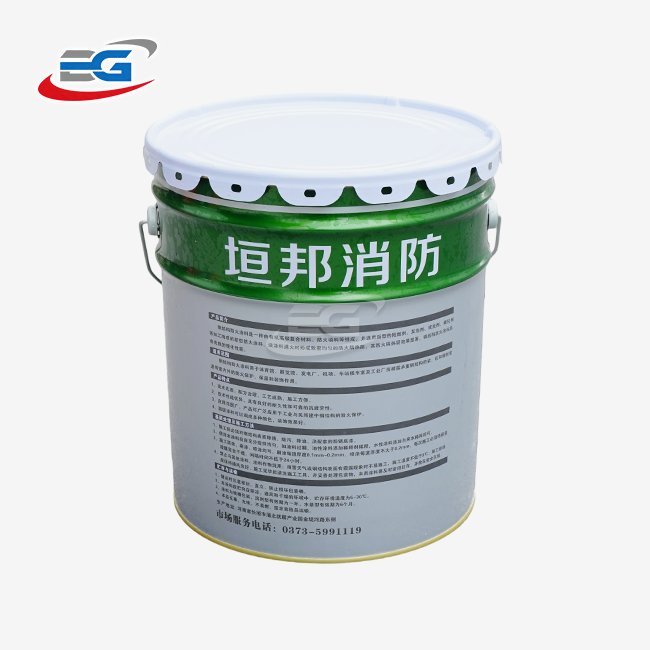 VIEW MOREWater-based fire retardant coating for steel structure
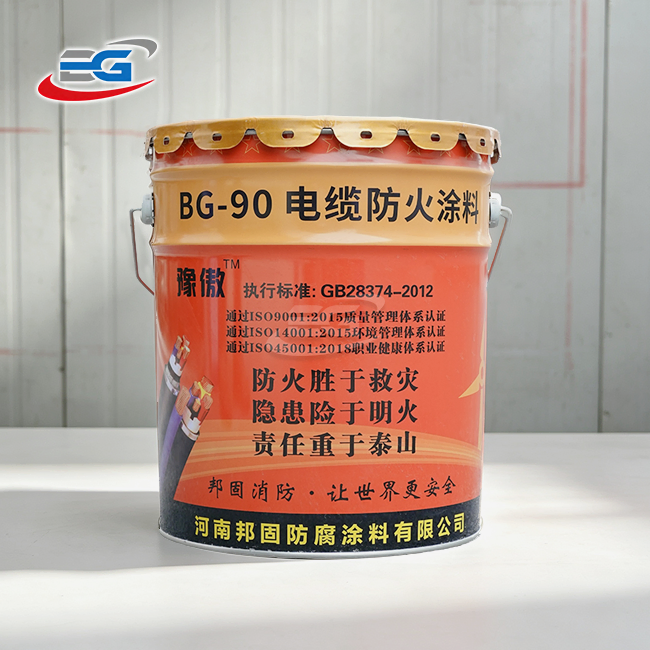 VIEW MOREfire coating for cables
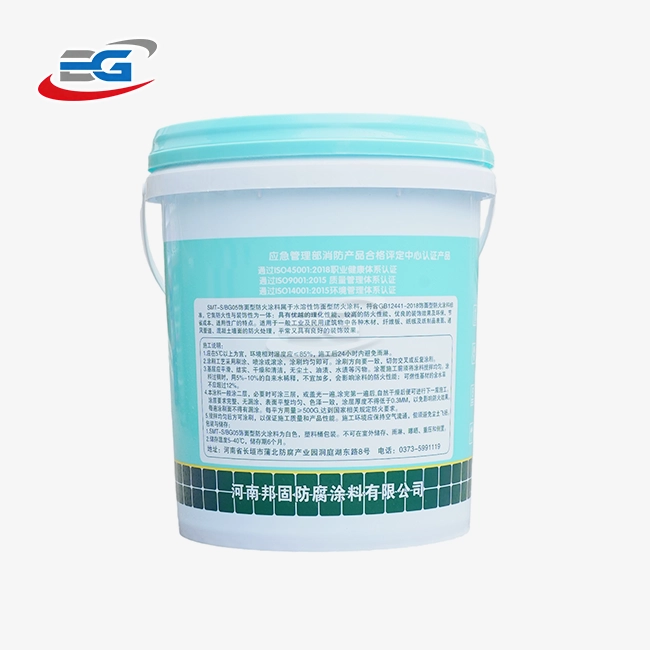 VIEW MOREFire resistant decorative coating
 VIEW MOREFireproof Coating for Steel Structures for steel frame
 VIEW MOREFireproof Coating for Steel Structures weather resistant
 VIEW MOREFireproof Paint for Steel Structures
 VIEW MOREfireproof paint for steel
 VIEW MOREwater-based fireproof coating