



High Temperature Fireproof Coating vs Paint: Which Wins for Industry?
When extreme heat meets steel, the protective layer between safety and catastrophic failure matters enormously. For engineers and procurement teams in petrochemical plants, power generation facilities, and metallurgical operations, choosing between a high temperature fireproof coating and standard industrial paint is not a minor decision—it directly affects structural integrity, regulatory compliance, and long-term maintenance costs. This post breaks down the differences clearly so you can make a confident, data-backed choice for your next project.
Understanding High Temperature Fireproof Coatings and Industrial Paints
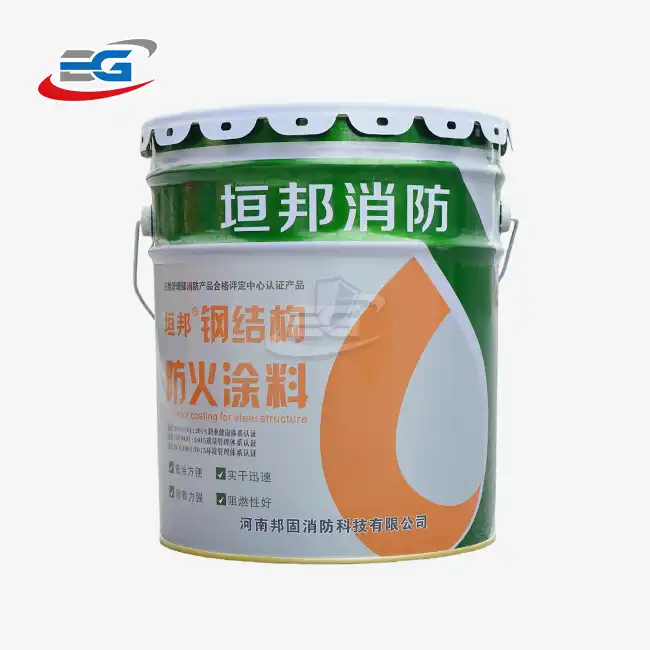
What Is a High Temperature Fireproof Coating?
An engineered functional material called a thermal fireproof coating is made to keep a substrate's integrity even after being exposed to fire for a long time or working in high-heat conditions all the time. These coatings, unlike decorative finishes, create a stable insulating barrier through ceramic bonding or endothermic reactions. This keeps steel below its critical 550°C threshold, which is the temperature at which structural steel loses about 60% of its load-bearing capacity, according to ASTM E119 test data.
What Are Standard Industrial Paints?
Industrial paints are mostly made to stop corrosion, resist chemicals, and make the surface look good. Above 200°C, most industrial paints that are based on epoxy or alkyd start to crack, blister, and break down. They don't do much to protect against passive fires, and they can't keep the structure working during a petroleum pool fire or a furnace temperature change.
The Core Difference in Material Science
There is a big difference between these two types of products. Coatings that are fireproof use inorganic silicate, clay nanoparticles, or chemicals that start to burn when heated. Organic polymer matrices that break down at high temperatures are used in industrial paints. This difference is the line between a controlled stop and a structural fall for plants with boilers at 600°C or furnaces getting close to 800°C.
Performance Comparison: High Temperature Fireproof Coatings vs Industrial Paints
The numbers are the best way to tell the story. This is how the two groups relate in the ways that industry buyers care about the most.
Fire Resistance and Temperature Tolerance
According to ISO 834 or ASTM E119 standards, standard industrial paint has no fire resistance. A good industrial high temperature fireproof coating can, on the other hand, have a fire resistance rating of at least three hours and can handle temperatures of up to 800°C in continuous service, with ceramic-based formulations reaching 1500°C for the highest thermal resistance. According to OSHA PSM and NFPA 85 standards, this grade is usually the lowest that can be used for things like boiler casing, smoke stacks, and furnace shells.
Durability Under Corrosion and Thermal Cycling
High temperatures and harsh chemicals are two things that can damage petrochemical pipelines and steel structures in refineries. After being heated and cooled many times, most standard paint systems have corrosion resistance of Grade 2 or less. If you use the right specifications, a heat-resistant protective covering will keep its corrosion resistance at Grade 1, which is the best level, even after many heating and cooling cycles. The coating stays stuck on without cracking or peeling off, which is a failure mode that takes away all protection.
VOC Compliance and Application Safety
Putting any covering on hot equipment poses a chance of starting a fire. VOC levels in water-based protective coatings are ≤120 g/L, while levels in solvent-based coatings stay at ≤650 g/L, which is within the limits set by the EPA and the EU. Solvent-based forms that have a flash point above 60°C are UN1263 Class 3 explosive liquids and need the right safety controls on the job site. Standard industrial paints often have more solvents in them, and they don't offer any extra fire protection to make up for the extra risk of handling them.
Procurement Considerations for Industrial Buyers
Total Cost of Ownership vs. Unit Price
Industrial fireproof coatings cost more per unit than regular paint. The important thing to compare, though, is the total cost over the lifecycle of the asset. A coating system that stays fire-resistant for 10 years or more without having to be reapplied cuts down on planned maintenance shutdowns, which cost a factory or power plant a lot more in missed production than the coating itself. Not cost-per-liter, but cost-per-year of security is the right way to figure out money.
Certifications and Technical Documentation
Certification paperwork is a must for EPC companies buying goods for projects in the Middle East or Southeast Asia. Check to see if your suppliers have the ISO 9001 quality management, ISO 14001 environmental management, and ISO 45001 health and safety at work certifications. Class GB 8624-2012 For project approval and regulatory sign-off, your EHS team will need a non-combustible classification and third-party fire resistance test reports that are in line with UL 1709 or ISO 834.
Supplier Reliability and After-Sales Support
A coating product that doesn't come with instructions for how to use it on-site creates real project risk. In plants that are already running, short repair slots leave no time for redoing work. Check to see if a supplier offers construction solution documentation, remote technical support, and surface preparation specifications (at least Sa 2.5 according to ISO 8501-1). When suppliers offer both OEM and ODM services, they give EPC workers more options for meeting the unique packaging and branding needs of a project.
Use Cases and Industry Applications
Petrochemical and Refinery Facilities
Steel pipe supports, vessel skirts, and structural frames are heated all the time and are exposed to acids and sulfur compounds in places where hydrocarbons are processed. A ceramic-based high temperature fireproof coating with Grade 1 corrosion resistance protects these assets from both threats at the same time. This gets rid of the need for two separate coating systems and makes application easier.
Power Generation and Boiler Systems
It is always between 400°C and 650°C inside coal or gas-fired power plants for the boiler casing, steam drum supports, and chimney liners. When thermal protective coatings are troweled or sprayed on these surfaces, they stay the same size and shape through thousands of thermal cycles without chalking, flaking, or losing their stickiness. To make sure the cure is done right, the application area should stay between +5°C and +40°C, with a relative humidity of less than 85% and the substrate temperature at least 3°C above the dew point.
Industrial Furnaces and High-Temperature Workshops
Coatings for furnace bodies, kiln car frames, and high-temperature workshop steel structures must be able to handle short-term exposure to temperatures above 800°C. For indoor use, you don't need a UV-resistant finish. For outdoor projects that will be used for more than five years, you need a finish coat that is resistant to UV light and weather to keep the look and structure of the surface over time.
Making the Right Choice: Fireproof Coatings or Industrial Paints?
When Fireproof Coating Is the Clear Answer
If your substrate works above 200°C, needs to be fire resistant for at least one hour, or is in a place where it will be exposed to both heat and chemicals, you can only use a special high temperature fireproof coating. It is inevitable that standard industrial paint will fail. This is not a problem that needs to be fixed; it is a safety and responsibility issue.
When Industrial Paint May Suffice
Standard industrial paint is a cheaper way to protect steel that is at room temperature and in low-risk areas where fire resistance is not required by law. The decision is not based on ideology; it is based on the facts of the case. People make the mistake of thinking that paint "with some heat resistance" is as safe as an approved protective system.
Hybrid Coating Systems
For some projects, using multiple layers is best. For example, a certified fire-resistant basecoat can protect against heat and corrosion, and an industrial finish coat can add style or resistance to chemicals. This system gives your EHS team the fire safety they need and your client the surface finish they want, without sacrificing either function.
Conclusion
It's clear that normal industrial paint is not a good replacement for an approved high temperature fireproof coating for any industrial use above 200°C or with a fire resistance specification. It's not possible to ignore the performance gap, which can be seen in fire resistance hours, rust grades, and thermal stability cycles. For workers in the petroleum, power, and metallurgical industries, choosing the right coating system from the start is the best way to protect assets and follow the rules.
FAQ
Can a fireproof coating replace an anti-corrosion primer?
Yes, in many cases. A Grade 1 corrosion-resistant fireproof coating applied to an Sa 2.5 prepared surface eliminates the need for a separate anti-corrosion primer, reducing the total number of application steps during a short maintenance window.
How long does a thermal fireproof coating last on outdoor equipment?
For outdoor installations, a compatible UV and weather-resistant topcoat extends service life beyond five years. Without it, UV degradation affects surface appearance but not the underlying fire protection performance of the basecoat.
What application method works best for complex geometries?
Spray application is preferred for pipe supports, structural connections, and irregular surfaces. Trowel application works well for flat plates and large flat surfaces. Both methods achieve equivalent dry film thickness when applied per the manufacturer's technical data sheet.
Is the coating hazardous during application?
Water-based and cement-based variants are non-hazardous. Solvent-based formulations with flash points above 60°C are classified as UN1263 Class 3 flammable liquids and require standard hot-work permit controls.
Are English-language technical data sheets available for export projects?
Reputable manufacturers serving Middle Eastern and Southeast Asian EPC markets provide full English technical documentation, including test reports aligned to UL or ISO standards.
Get a Technical Proposal from Banggu Fanghuo
Every product that Banggu Fanghuo sells is backed by more than 30 years of experience making coatings. The thermal protective paints we sell are made for industrial use and are approved by ISO 9001, ISO 14001, and ISO 45001; they can withstand fires for up to three hours and temperatures up to 1500°C. We are a reliable company that makes high-temperature safety coatings. We offer OEM/ODM services, English technical paperwork, and full project support. You can email our expert team at admin@bgfireproof.com to ask for details or a trial.
References
1. ASTM International. ASTM E119: Standard Test Methods for Fire Tests of Building Construction and Materials. ASTM International, 2022.
2. International Organization for Standardization. ISO 834-1: Fire Resistance Tests — Elements of Building Construction. ISO, 2014.
3. National Fire Protection Association. NFPA 85: Boiler and Combustion Systems Hazards Code. NFPA, 2023.
4. Society for Protective Coatings. SSPC-SP 10 / NACE No. 2: Near-White Blast Cleaning. SSPC, 2020.
5. Underwriters Laboratories. UL 1709: Rapid Rise Fire Tests of Protection Materials for Structural Steel. UL, 2020.
6. Bayliss, D. A., and Deacon, D. H. Steelwork Corrosion Control. Spon Press, 2002.

USER EVALUATE
Here is the customer's evaluation of us
YOU MAY LIKE
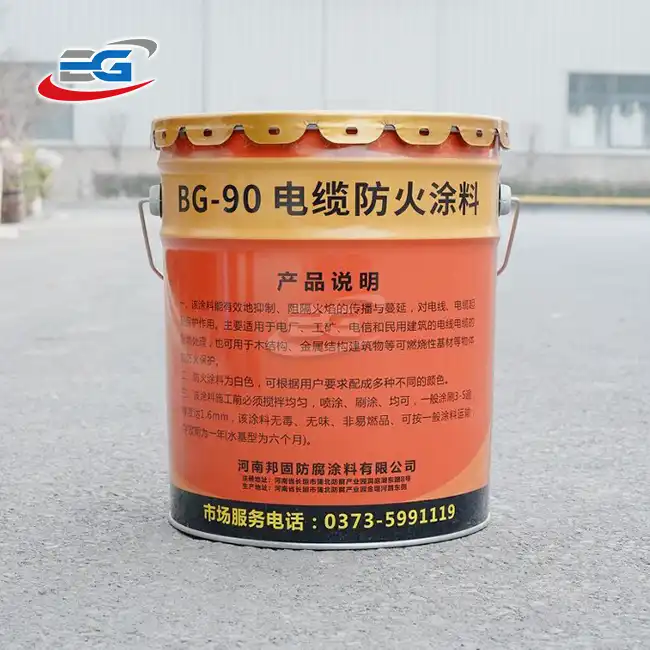 VIEW MOREFire retardant coating for cable halogen free
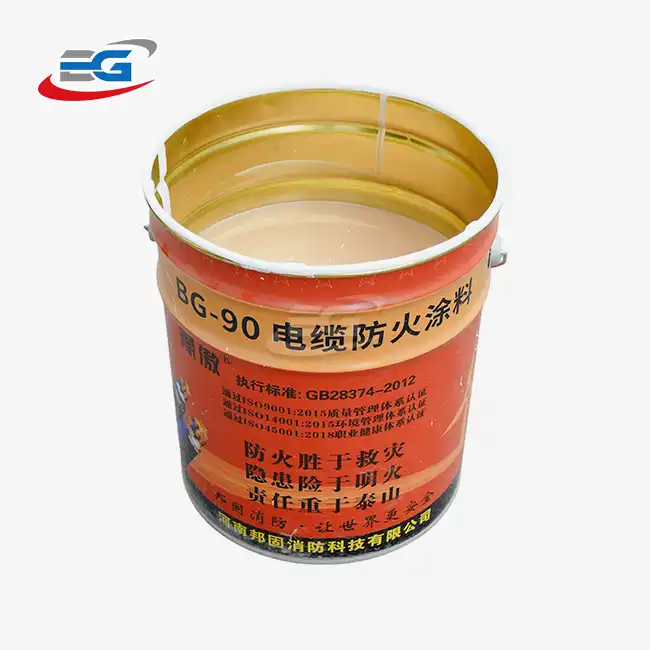 VIEW MOREWire and cable fire retardant coating
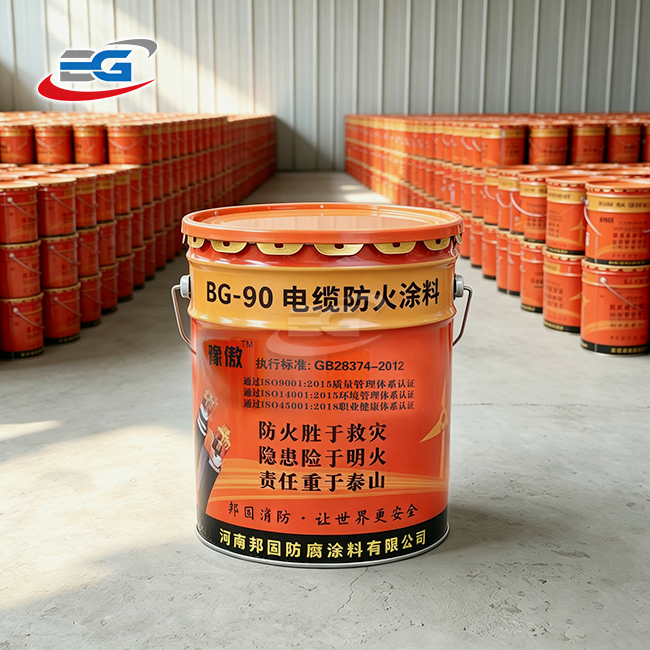 VIEW MORECable fireproof coating
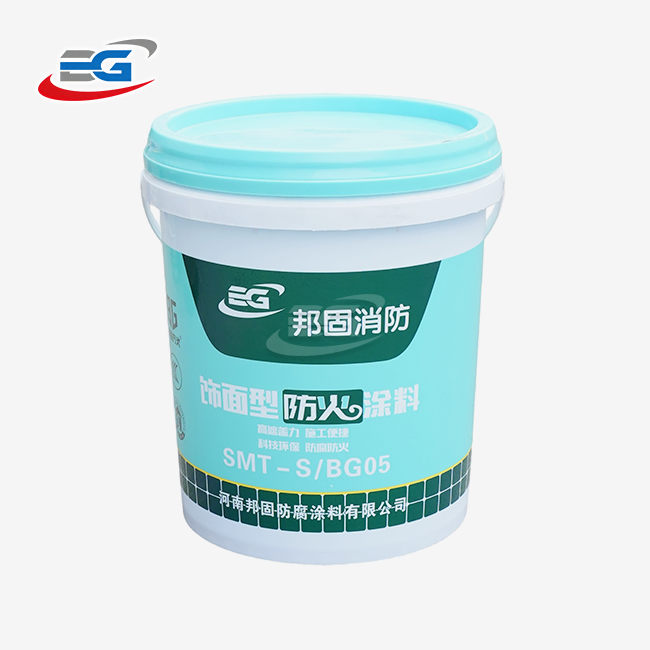 VIEW MOREDecorative fireproof coating
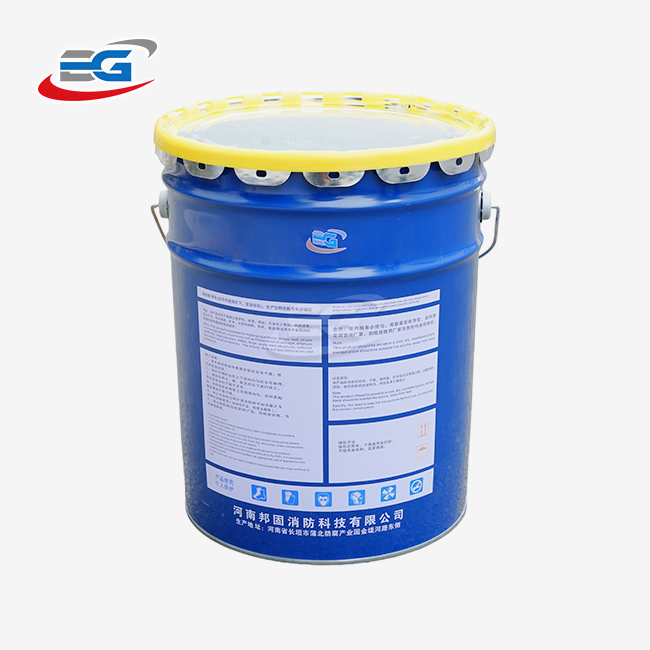 VIEW MOREFireproof Coating for Steel Structures durable
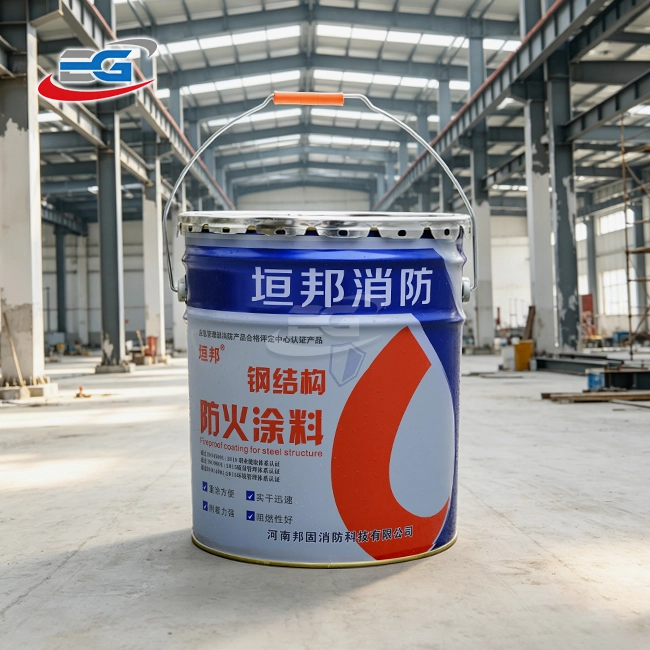 VIEW MOREfireproof paint for steel
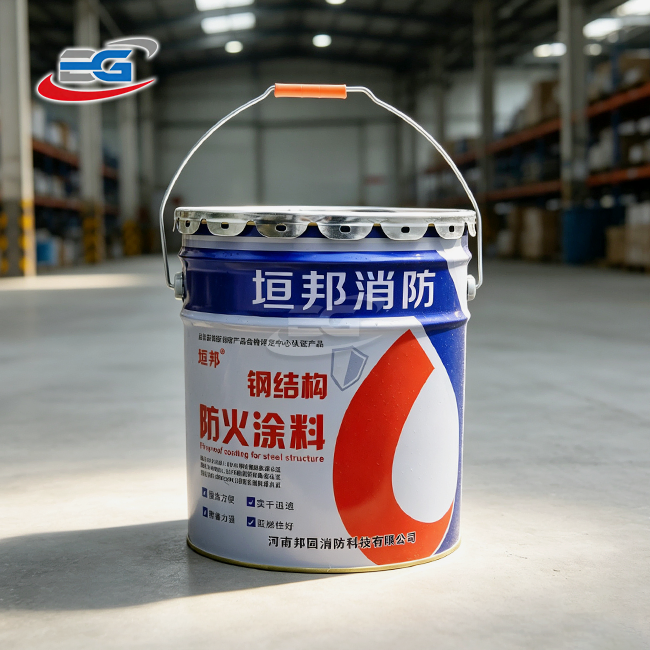 VIEW MOREfire resistant coating
 VIEW MOREflame proof coating