



Can I paint over fire retardant paint?
Yes, you can paint over fire retardant paint — but only under specific conditions. Applying the wrong topcoat can silently compromise the fire resistance your building depends on. When the base layer is a finishing type fire retardant coating designed for steel structures, the overcoating process demands compatibility testing, proper surface preparation, and manufacturer-approved products. Get it right, and you preserve both fire safety performance and surface aesthetics. Get it wrong, and you risk failing a building inspection or, worse, losing fire protection when it matters most.
Understanding Fire Retardant Paint and Coatings
Fire-safe paint doesn't always work the same way. Before they even touch the substrate, buying managers and project engineers can make better choices about materials when they know the difference.
When exposed to heat, intumescent coatings can grow 10 to 40 times their original thickness, creating an insulating char layer that protects the steel below. Non-intumescent types, on the other hand, give off gasses that put out fires and make the surface less flammable without expanding physically. Finishing type fire retardant coatings for steel often use a thin-film intumescent chemistry. This gives the steel a smooth, paint-like look while still meeting Grade A flame-retardant standards.
Water-based formulas have VOC levels at or below 120 g/L and are not dangerous, so they are the best choice for commercial buildings that are being used. Solvent-based versions have up to 650 g/L VOC and follow the rules for transporting dangerous liquids in UN1263 Class 3. Low-VOC water-based fire retardant coatings meet both air quality standards and fire safety codes at the same time when used indoors in places like schools, hospitals, and hotels.
Can You Paint Over Fire Retardant Paint? Key Considerations
Many construction teams make mistakes here that cost a lot of money. The short answer is yes, but if you're not careful, the process can be very dangerous.
Chemical Compatibility Between Layers
When there is a fire, a normal decorative topcoat can physically seal the finishing type fire retardant coating, stopping it from expanding. This stops the coating's core protection mechanism from working. Make sure that the finish is specifically allowed for use over fire retardant systems before you apply it to any fire-rated surface. Technical data sheets (TDS) from manufacturers will list topcoat products that are suitable, the minimum recoat intervals, and the thickness of the dry film that is needed.
Surface Preparation Requirements
One of the most common problems in overcoating jobs is that the layers don't stick together properly. Before adding new material, the fire-resistant surface that is already there must be clean, dry, and free of any dirt or dust. Some suggested steps for getting ready are:
- Use a dry cloth or a light solvent wipe that is safe for the base layer to wipe away dust, grease, and other small particles.
- Check that the steel substrate's wetness level is okay and that the surface temperature stays at least 3°C above the dew point.
- Use a compatible primer if the topcoat maker says to do so for steel substrates.
- Let the base fire retardant layer fully cure. For thin-film systems, surface drying is usually done in two hours, but full mechanical cure takes longer.
Preparing the surface correctly will protect your investment and make sure the coating system works as a single unit instead of two layers that are competing with each other.
When Overcoating Actually Damages Fire Performance
According to ASTM E84 testing procedures, putting a thick, film-forming topcoat on top of an intumescent base can lower the system's flame spread grade by a large amount. It's possible for the assembly to fail to reach its estimated fire resistance limit if the covering traps the intumescent layer and stops the char from expanding. Always ask for test results from a third party for the whole system, not just for the individual parts.
Application Methods and Maintenance When Painting Over Fire Retardant Coatings
It's just as important to choose the right product as it is to use it correctly. Overcoating fire-rated surfaces can be done by either spraying or brushing, as long as the person doing the coating follows the system's written construction sequence.
Step-by-Step Application Guide
This is a good order for applying coatings to commercial steel structures: check the old coating for peeling, cracking, or loss of adhesion; clean and prepare the surface; use any recommended primer; apply the finishing type fire retardant coating as the finishing or topcoat layer by spraying or brushing in even, consistent passes; and compare the dry film thickness to the specification before calling the job done. For Banggu Fanghuo's finishing type fire retardant coating on steel, the temperature should stay between +5°C and +40°C, and the humidity should not be higher than 85%.
Maintenance and Recoat Intervals
Fire-resistant coatings on steel structures inside buildings need to be checked on a regular basis—at least every two to three years in busy business areas. Look for damage from being hit by something, surface chalking, or separation at the edges and penetrations. If the dry film thickness goes below the required level, the product must be reapplied. Keep in mind that indoor-grade finishing coatings don't protect against UV light or weather. If you use steel outside for more than five years, you'll need an extra UV/weathering topcoat system to keep it protected.
Choosing the Right Fire Retardant Paint and Topcoat: Decision Support for Procurement
There is an organized framework that goes beyond price per liter that B2B buying workers need to use when considering fire retardant coating systems. Here are the main rating factors that should be given the most weight:
- Fire resistance rating and certification: Make sure the product meets a minimum fire resistance limit of 1.8 hours for steel structures and is flame-retardant Grade A rating and supporting test results from a third party.
- VOC compliance: For business buildings in the U.S. that are occupied, choose goods with a VOC level of 30 g/L or less to meet indoor air quality guidelines and keep owners from stopping work.
- Substrate compatibility: Make sure the system was designed to work with steel surfaces and the right priming methods, not ones that were used with wood or concrete.
- Aesthetic options: Matte and gloss finish options let design teams choose surfaces that meet both fire code and architectural intent without having to use separate topcoats for style.
- Supplier OEM capability: Distributors and local paint brands that want to get into the decorative fire protection market should look at makers that offer OEM/ODM services and quick turnaround times for small color samples.
All of these factors lower the risk of procurement, speed up the approval process for specifications, and help ensure long-term compliance with building codes like NFPA 101 and IBC fire-rating standards.
Benefits and Risks of Painting Over Fire Retardant Coatings
When done right, overcoating a fire-resistant surface is a very useful trick. A compatible topcoat can make the finishing type fire retardant coating less likely to be scrubbed, make it last longer, and let you change the color to fit renovation needs—all without having to remove and reapply the base fire protection layer. This method cuts down on both the cost of materials and the time that the project is shut down for renovations in hotels, office buildings, and healthcare facilities.
The risks are, however, just as real. Standardized fire tests have failed systems because of overcoats that don't work with them, putting building owners at risk of being sued for not following the rules. A thick alkyd finish put on top of an intumescent base changed the flame spread index from a Class A rating that was compliant to a Class C rating that wasn't. This was shown in a case study that was reviewed under ASTM E84 conditions. Simple steps can be taken to reduce the risk: only use topcoats that are on the approved product list of the base coating maker, keep the film thickness at the right level, and keep test results that show the fire rating of the whole system.
Conclusion
If you use the right goods and follow the right steps, painting over finishing type fire retardant coating is both technically possible and financially viable. Chemical compatibility, surface preparation, dry film thickness control, and written system approval are the most important factors. For steel structures that need both fire protection and a clean, decorative finish, a finishing type fire retardant coating gets rid of the need for two separate layers. This cuts down on installation costs and makes compliance easier with just one specification choice.
FAQ
Does painting over fire retardant paint reduce its effectiveness?
Yes, it can. If the topcoat isn't suitable, it could stop an intumescent layer from spreading during a fire, which would take away its main safety function. Always check that any overcoat is on the manufacturer's list of approved systems and that there are test results for the whole assembly.
What type of paint is safe to use over fire retardant coatings?
The best choice is a water-based, low-VOC topcoat that is allowed for use over fire-rated systems. Film-forming paints that are heavy on solvents should not be used unless the manufacturer of the base coat specifically approves them. If you're not sure, ask for a combined system test report.
How often should fire retardant coatings be inspected?
Every two to three years, business apps inside should be checked. More regular checks should be done in places that get a lot of mechanical wear, water damage, or repair work.
Can I use a standard decorative paint instead of a fire retardant topcoat?
Only if the standard paint is on the list of overcoats that are okay for your fire retardant system. If you use an illegal decorative paint, the fire rating could be thrown out and the building could fail checks.
Is the VOC content of a topcoat for fire retardant systems important?
Yes, especially in houses that are already filled. Products with a VOC content of 30 g/L or less meet strict standards for indoor air quality and lower the chance that the owner will order the project to be shut down during busy building.
Get a Custom Finishing Type Fire Retardant Coating Quote from Banggu Fanghuo
Banggu Fanghuo offers finishing type fire retardant coating solutions that are designed to meet the needs of real business projects. These coatings have Grade A fire resistance in less than 1.8 hours, VOC levels below 30 g/L, fast drying surfaces, and the choice of a matte or gloss finish. No matter if you need bulk supply, OEM private-label production, or color sample approval before committing, our expert team can help you quickly and accurately. To get examples, technical data sheets, or a cheap finishing type fire retardant coating provider price that fits the needs of your project, email us at banggu@bgfireproof.com or visit our website at bgfireproof.com.
References
1. ASTM International. ASTM E84: Standard Test Method for Surface Burning Characteristics of Building Materials. ASTM International, 2023.
2. National Fire Protection Association. NFPA 101: Life Safety Code. NFPA, 2021.
3. International Code Council. International Building Code (IBC). ICC, 2021.
4. Society for Protective Coatings (SSPC). SSPC-PA 1: Shop, Field, and Maintenance Painting of Steel. SSPC, 2016.
5. Braidech, M. M., & Zicherman, J. B. "Intumescent Coatings and Fire Resistance: Mechanisms and Performance." Fire Technology, Vol. 45, No. 3, 2009.
6. Alongi, J., Carosio, F., & Malucelli, G. "Current Emerging Trends in Flame Retardancy of Textiles and Coatings." Progress in Polymer Science, Vol. 38, No. 9, 2013.

USER EVALUATE
Here is the customer's evaluation of us
YOU MAY LIKE
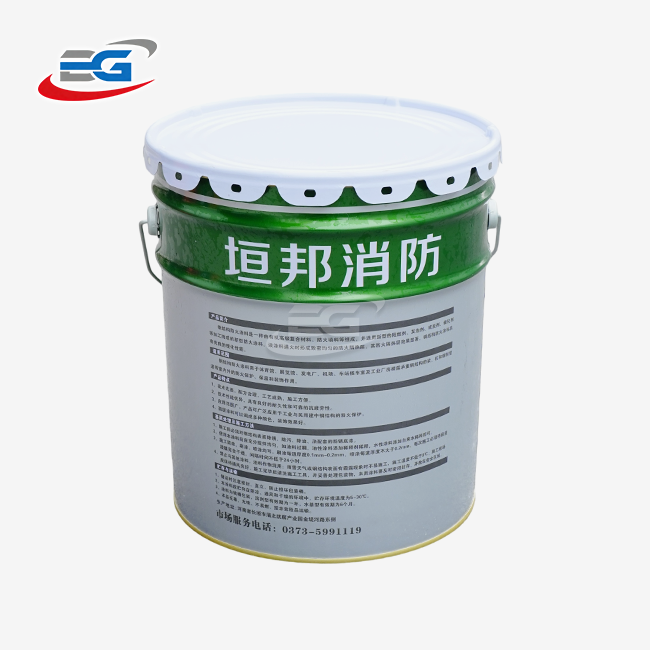 VIEW MOREWater-based fire retardant coating for steel structure
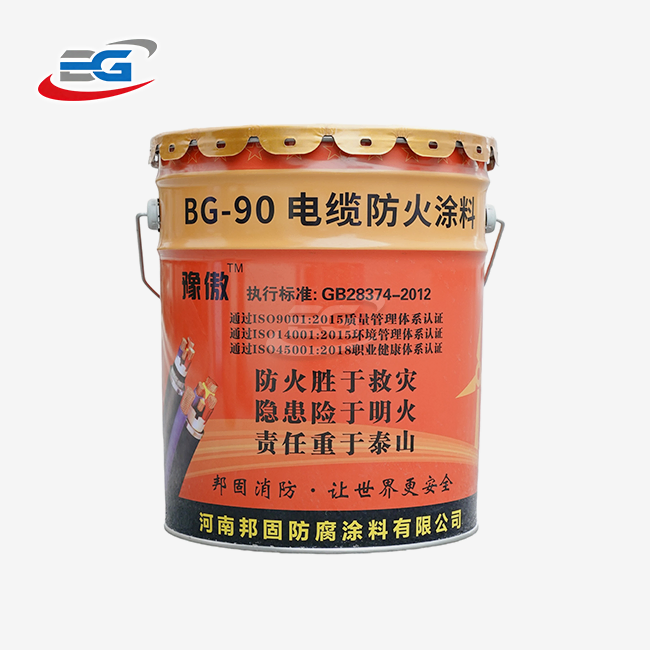 VIEW MOREcable fire retardant coating
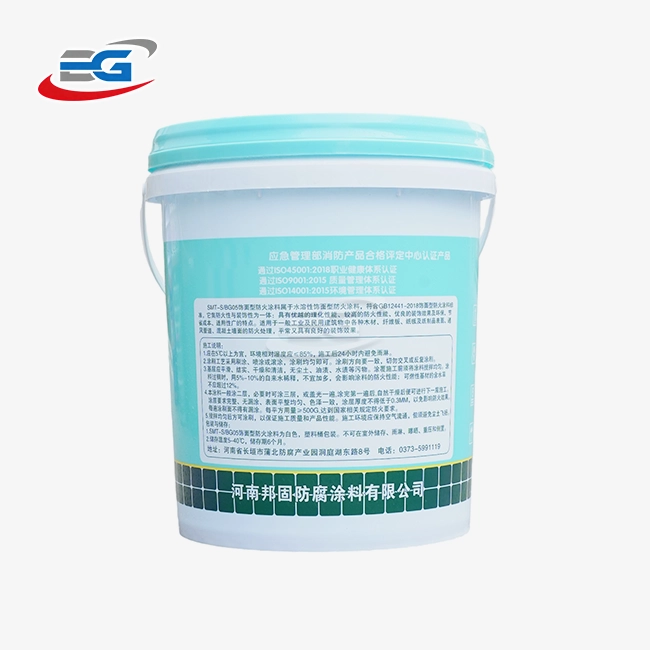 VIEW MOREFire resistant decorative coating
 VIEW MOREFinishing type fire resistant coating
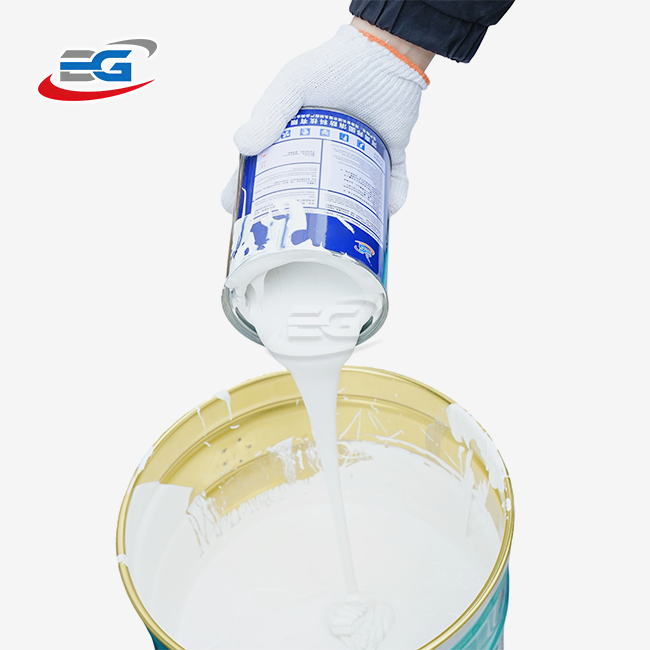 VIEW MOREfireproof coating for metal
 VIEW MOREeco-friendly fireproof coating
 VIEW MOREwaterproof fireproof coating
 VIEW MOREflame retardant coating