



What is the most durable coating for steel?
When engineers and procurement managers ask about the most durable coating for steel, the answer consistently points to high-performance steel structure fireproof coating — particularly intumescent and cementitious systems engineered for passive fire protection. These specialized coatings do more than resist corrosion; they form an insulating thermal barrier that keeps structural steel below its critical failure temperature (approximately 538°C) during a fire event. With fire resistance ratings reaching 2.5 hours or beyond, a correctly specified fireproof coating system is the single most durable, multi-functional protective solution available for load-bearing steel today.
Understanding Steel Structure Fireproof Coatings
Even though steel doesn't burn naturally, it loses about half of its structural bending strength when temperatures go above 500°C. Because of this weakness, passive fire defense is an essential engineering requirement and not a choice extra.
What These Coatings Actually Do
When put directly on steel beams, columns, and trusses, a steel structure fireproof coating keeps heat out. During a fire, the coating slows the spread of heat to the steel base, which gives firefighters more time to get the fire under control. Intumescent coatings chemically grow into a layer of carbonaceous char, while cementitious coatings insulate through a thick barrier made of minerals. As per ASTM E119, EN 13501, and GB 14907 testing standards, both mechanisms are valid.
Water-Based vs. Solvent-Based Formulations
Water-based steel structure fireproof coatings have VOC levels of less than 120 g/L, which makes them the best choice for hospitals, residential buildings, and LEED-rated projects. Solvent-based formulations are better at resisting moisture in semi-exposed industrial settings, but they are flammable materials (UN1263, Class 3) that need to be handled according to the right procedures. As long as they are not dangerous, cementitious thick coatings only last about 6 months, while water- and solvent-based products last 12 months. The right formulation for your project will depend on the conditions of exposure, the type of material, and the fire protection grade you need.
Evaluating the Durability of Steel Fireproof Coatings
In this case, "durability" means more than "longevity." It includes how well the steel structure fireproof coating resists fire, corrosion, mechanical stress, and the weather. All of these things have a direct effect on whether a coated structure passes the acceptance inspection without needing to be fixed.
How Coating Thickness Drives Fire Resistance
For field engineers, the most important technical variable is the link between the thickness of the dry film and the fire resistance rating (FRR). When the thickness is between 3 mm and 25 mm, thin-type intumescent systems usually have a FRR of 0.5 to 3 hours. Thick cementitious systems protect up to 50 mm thick surfaces for 2 to 6 hours. To find the right width, you need to know the steel section factor, which is the ratio of the heated surface circumference to the cross-sectional area. This can be written as W/D or Hp/A.
Comparing Coating Types on Key Durability Criteria
Each coating chemistry works differently across the longevity dimensions that mean most to engineering teams. Not applying enough at any one measurement point can lead to a failed inspection, rework costs, and project delays. This is the most common source of pain for fire coating subcontractors. Here's a useful comparison:
- Intumescent (thin-film, water-based): The finish looks great, the surface dries quickly (0.5 to 1 hour), it fully cures in 12 to 24 hours, the bonding strength is at least 0.15 MPa, and it lasts for at least 10 years indoors. Not resistant to UV light; after five years, outdoor use needs a compatible topcoat that is resistant to weather.
- Intumescent (solvent-based): Better adhesion in damp or partially open areas; thermal conductivity ≤0.12 W/(m·K); better protection against moisture before applying the topcoat. Needs careful handling of the solvent and enough air flow at the work site.
- Cementitious (thick-type): Best resistance to fire (up to 6 hours), highest compressive strength (0.3 MPa or more), and no burning after 72 hours of soaking in water. Best for big structures, petrochemical plants, and industrial plants where safety ratings are more important than looks.
During buying, these differences are very important. If you use a product that is only meant to be used indoors on a building that will be partially exposed to the outdoors, you will get adhesion failure, blistering, and failed proof points. The most expensive type of rework can be avoided by making sure the formulation works with the primer system and the environmental exposure category before placing a bulk order.
Making an Informed Choice: Which Fireproof Coating Is Best for Your Steel Structures?
The needed FRR, the application environment, and the construction schedule all play a role in choosing the right system. Thin-film intumescent steel structure fireproof coatings are most common in commercial and high-rise buildings where structural steel is visible, weight loads are tricky, and looks are important. Industrial plants, power plants, and bridges that need protection for more than two hours and don't care about how the coating looks usually use thick types of cementitious coatings.
Key Decision Variables for Procurement Teams
Technical leads and procurement managers should evaluate the following before finalizing supplier selection and quantity orders:
- Fire resistance rating by element type: For columns, the critical temperature is usually around 550°C, and for beams, it's a little higher, at about 620°C. The given FRR (0.5 h, 1.0 h, 1.5 h, 2.0 h, or 2.5 h) determines the minimum dry film thickness and, by extension, the amount of material needed per square meter.
- Primer compatibility: The fireproof coating system needs to be checked and approved against the primer that will be used on-site. The main reason for delamination and inspection failure is a contact between the primer and finish that doesn't work well together.
- Construction conditions: For construction, the temperature of the application must stay between +5°C and +40°C, the relative humidity must be below 85%, and the temperature of the base must be at least 3°C above the dew point. If these parameters aren't followed, adhesion and film integrity are lost.
- Certification documentation: Each delivery should come with a test report that follows GB 14907, ASTM E119, or EN 13501, depending on what the local government needs. For acceptance submissions, batch-level traceability is a must.
Application Methods and Best Practices for Fireproof Coatings on Steel
High-pressure airless spraying gives the most uniform film thickness on complicated shapes like I-beams and lattice trusses. This is why it is the best choice for big business and industrial projects. For thick cementitious jobs that need to be built up in fewer passes, troweling is the best tool for the job. You can use the brush application to fix things up and add details to connection nodes. No matter what method is used, the surface must be cleaned to the Sa 2.5 cleaning grade according to ISO 8501-1. Any contamination or mill scale residue directly lowers the bonding strength of the steel structure fireproof coating below the ≥0.15 MPa minimum.
Post-Application Quality Assurance
After the coating is applied, field teams have to check the dry film thickness at the required measuring grid density, do adhesion pull-off tests, and make sure the coating matches the batch test report that was sent in for approval. For steel buildings outside that will be used for more than five years, a finish coat that is resistant to UV light and bad weather must be put on top of the protective layer to stop photodegradation and water from getting in and lowering the insulation's long-term effectiveness.
Environmental Impact and Regulatory Compliance
In both the US and Europe, rules on VOC emissions are getting stricter all the time. Water-based steel structure fireproof coatings with a VOC content of less than 120 g/L follow EPA rules for building paints and help earn LEED v4 points for indoor air quality. Cementitious and water-based systems are not considered dangerous, which makes moving things around on the spot and getting rid of waste easier. Solvent-based products in UN1263 Class 3 need to be stored properly, come in containers with labels, and be handled safely to avoid fire on the job site. It lowers regulatory risk and makes bids more competitive for green-rated and public sector projects when certified low-VOC systems are specified from the start.
Conclusion
To be durable in steel defense, you need to make sure that the steel structure fireproof coating can withstand fire, rust, has good adhesion, and is safe for the environment. This needs to be done for the whole structure's service life. Choosing a certified, well-documented product from a manufacturer with traceable batch quality is what makes the difference between a successful acceptance inspection and a costly rework cycle. This is true whether the project calls for a thin intumescent system on exposed architectural steel or a thick cementitious coating on industrial columns rated to 2.5 hours or more.
FAQ
What is the difference between intumescent and cementitious fireproof coatings?
When exposed to heat, intumescent coatings grow into a thick layer of char that protects the steel below. They are thin, look good, and are good for architectural steelwork that people can see. Cementitious coatings insulate through a dense mineral matrix. They work best in industrial settings that need protection for more than two hours and don't care about how the surface looks.
How do I determine the correct coating thickness for my steel members?
To figure out the thickness, you need to know the needed fire resistance rating, the steel section factor (Hp/A or W/D), and the product's public thickness-to-FRR data tables. Underapplication at any grid measurement point is a problem that needs to be fixed during the acceptance review.
Can fireproof coatings be used outdoors without additional protection?
Indoor versions don't stand up to UV light or bad weather. For steel structures that will be outside, a weather-resistant topcoat that is compatible must be used. Structures that will be outside for more than five years need a finish coat that is stable against UV light to keep its adhesion and insulation performance over time.
What storage conditions apply to fireproof coating products?
Keep everything in a dry place between 5°C and 45°C. Formulations that are water- or solvent-based can be stored for 12 months. Cementitious products should be used within 6 months of being made.
Partner with Banggu Fanghuo for Certified Steel Structure Fireproof Coating Solutions
Banggu Fanghuo has been making coatings for more than 30 years and brings that experience to every project. Because we only make steel structure fireproof coatings, we offer water-based, solvent-based, and cementitious systems that can fight fire for up to two hours, come with full batch test paperwork, and are certified by ISO 9001, ISO 14001, ISO 45001, and CE. From the bid stage to the final acceptance, our team helps with buying. To get a technical data sheet, thickness calculation table, or project quote, email us at banggu@bgfireproof.com or go to bgfireproof.com.
References
1. ASTM International. ASTM E119: Standard Test Methods for Fire Tests of Building Construction and Materials. 2023.
2. Society of Fire Protection Engineers. SFPE Handbook of Fire Protection Engineering, 5th ed. 2016.
3. International Organization for Standardization. ISO 834-1: Fire Resistance Tests — Elements of Building Construction. 1999 (reaffirmed 2022).
4. National Fire Protection Association. NFPA 5000: Building Construction and Safety Code. 2024.
5. British Standards Institution. BS EN 13501-2: Fire Classification of Construction Products and Building Elements. 2023.
6. Wang, Y.C. Steel and Composite Structures: Behaviour and Design for Fire Safety. Spon Press, 2002.

USER EVALUATE
Here is the customer's evaluation of us
YOU MAY LIKE
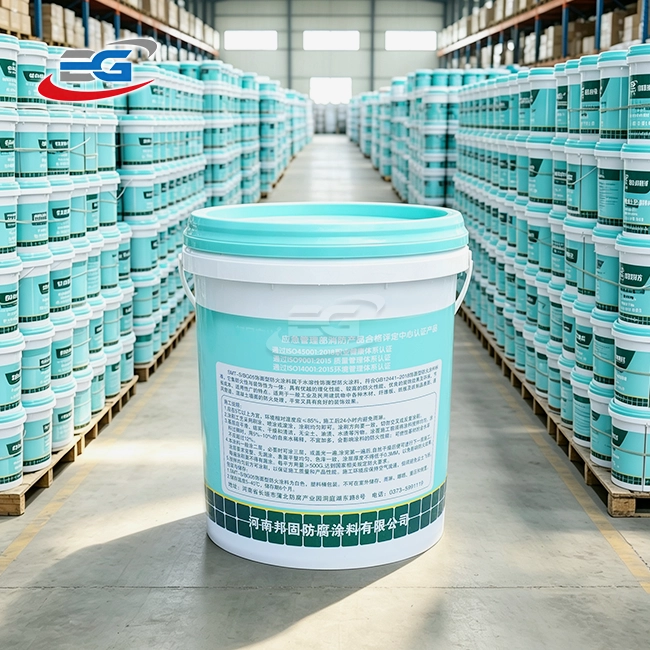 VIEW MOREHigh Adhesion Finishing Fire Retardant Coating
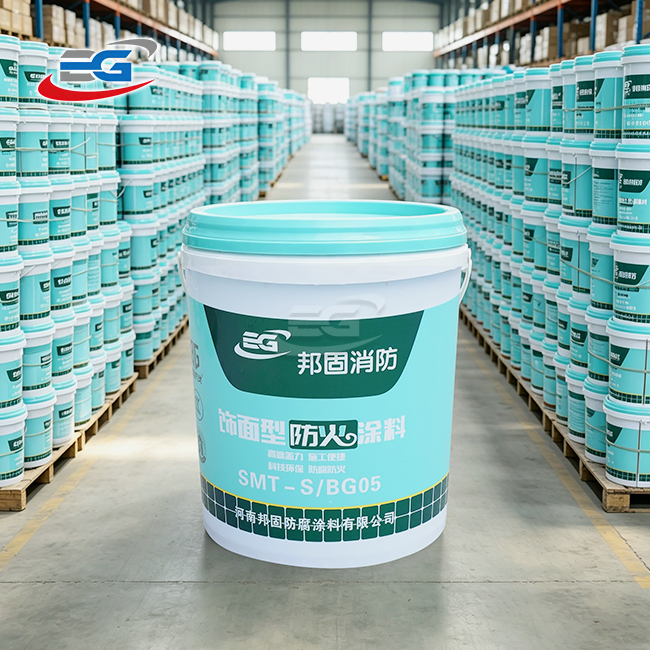 VIEW MOREFire retardant finish coating
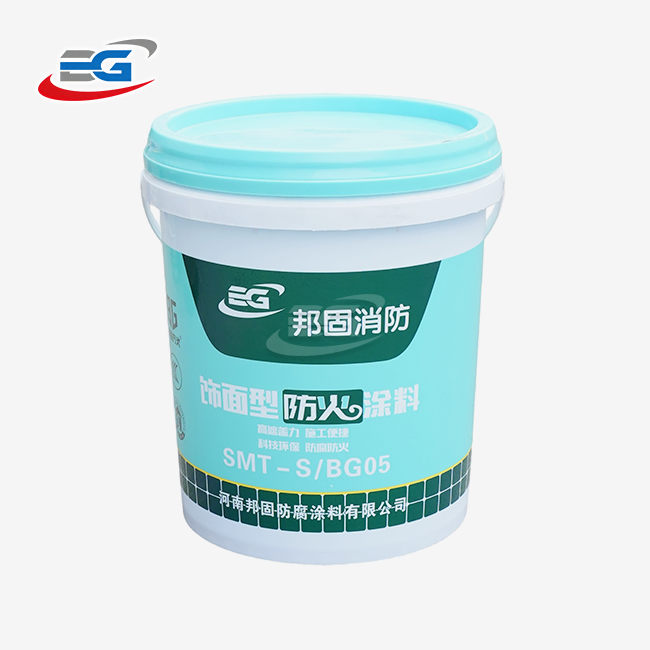 VIEW MOREDecorative fireproof coating
 VIEW MOREFinishing type fire resistant coating
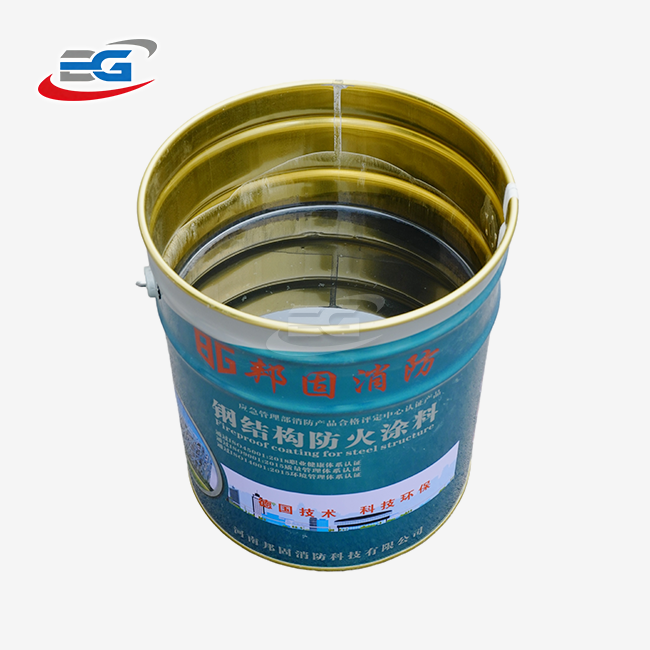 VIEW MOREFireproof Coating for Steel Structures certified
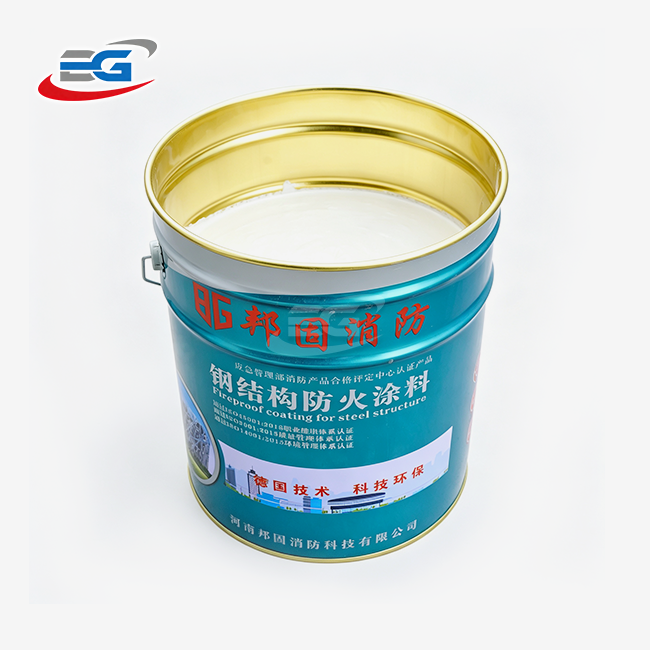 VIEW MOREIndoor intumescent fire retardant coating for steel structure
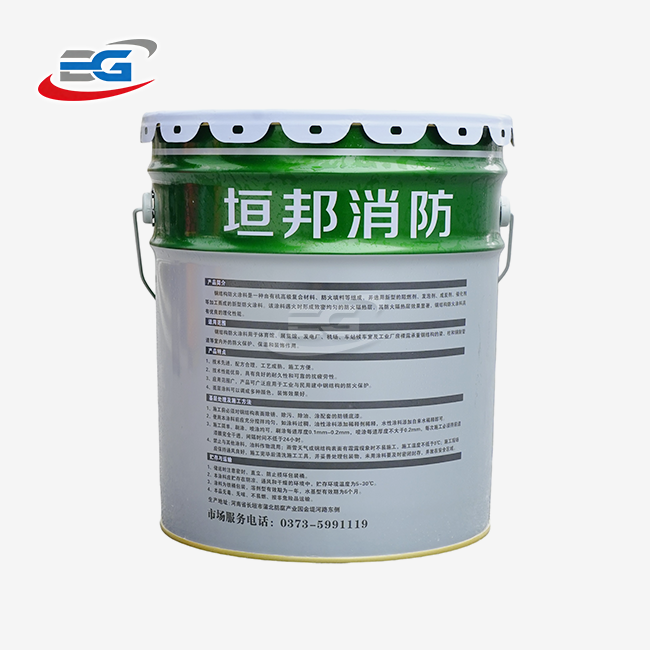 VIEW MOREheat resistant fireproof coating
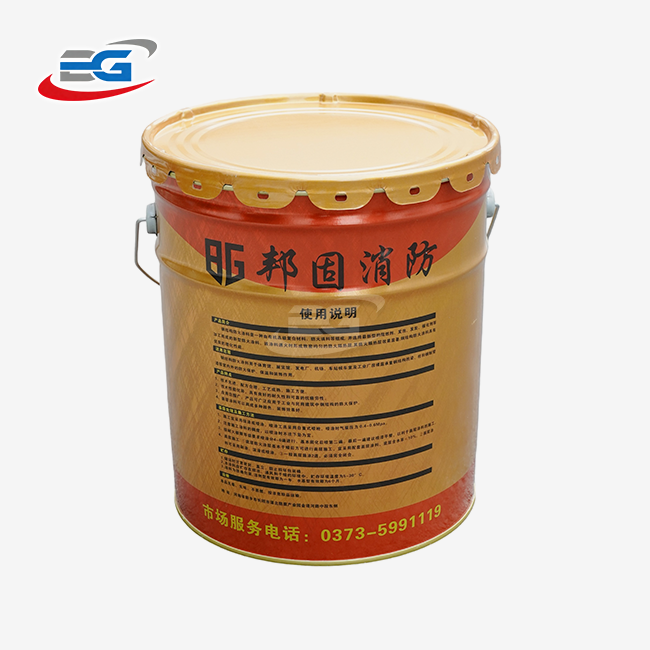 VIEW MOREpolyurethane fireproof coating