



Can you paint backer in fireproof cement board for fireplaces
Yes, you can paint the backer surface of a fireproof cement board used in fireplaces — but the coating you select matters enormously. Standard latex or acrylic paints degrade rapidly under sustained heat. The correct approach is to apply a heat-resistant or intumescent coating rated for high-temperature exposure. When steel components sit behind or alongside these boards, a dedicated fireproof paint for steel becomes equally critical. Steel begins losing structural capacity near 550°C, and an intumescent steel coating rated to 1000°C closes that vulnerability before it becomes a life-safety issue.
Understanding Fireproof Cement Boards and Their Paint Compatibility
Fireproof cement boards, which are also known as calcium silicate boards or fiber cement panels, are man-made materials that are pressed under a lot of pressure and hardened to withstand long-term heat, wetness, and mechanical stress. They don't catch fire, sag, or give off dangerous gasses when temperatures rise like regular drywall does. Because of these qualities, they are the best choice for backing in both home fires and commercial combustion enclosures.
Surface Characteristics That Affect Paint Adhesion
The top of the board is thick and a little acidic. Light sanding is needed to open up the pores on the surface before any coating is applied. This is followed by a neutralizing primer that controls the pH difference. Most coats delaminate too soon in high-heat settings because the primer step is skipped. As long as you use a suitable primer, the board substrate and the topcoat chemistry will work together. This is true whether you use a water-based or solvent-based protective covering.
Compatibility Between Cement Board Coatings and Steel Components
There aren't many times when cement boards work on their own inside a fireplace structure. Along with them are steel frames, brackets, and skeletal parts. The problem is that both cement and steel need coatings that are made for their specific chemicals. A covering on cement board that works well in heat might not stick to bare steel, and the same goes for the other way around.
Fireproof paint for steel is one such coating designed specifically for steel substrates. Coordinating the covering systems from the beginning, instead of putting on goods that don't go together on-site, stops bonding problems and makes the fire inspection process easier.
How Does Fireproof Paint Work on Steel and Cement Boards?
The science behind these coats is different for each material, but they both work on the same basic idea: a low-conductivity barrier keeps heat in while insulating it.
Intumescence on Steel Surfaces
Intumescent layers on steel have three chemical parts: an acid catalyst, a carbon source, and a blowing agent. When the temperature goes above about 200°C, a process happens that makes the covering 40–60 times thicker than it was before it dried. This creates a stable carbonaceous char. Char moves heat at a rate of -0.12 W/(m·K), a lot less than bare steel, which moves heat at a rate of about 50 W/(m·K). The steel below stays below its critical breakdown temperature for a set amount of time, usually 60, 90, or 120 minutes.
Banggu Fanghuo's intumescent steel covering can fight fire for at least 1.5 hours at a dry film thickness, stay adherent at Grade 1, and handle temperatures up to 1000°C. The bonding strength is ≥0.15 MPa, and the coating doesn't blister even after being submerged in water for 72 hours. Those numbers directly mean that the product meets the requirements for passing a fire resistance test under GB 14907 and other similar international standards.
Heat-Resistant Coatings on Cement Board
On cement board, the process is easier: a heat-resistant mineral- or silicone-based coating forms a stable film that doesn't melt when heated. The layer covers the open surface, stops water from getting in and damaging the bond, and keeps the bond strong even after many heat-and-cool cycles. If the whole assembly needs a fire rating of more than 1.5 hours, the rating is given by combining a certified steel intumescent layer with a compatible cement board coating.
Choosing the Right Fireproof Paint for Steel and Cement Boards
When making a choice, procurement managers and project engineers usually have to think about four things: the chemistry type, the fire rating tier, VOC compliance, and substrate match. Fireproof paint for steel is directly relevant to at least two of these factors—chemistry type and substrate match—since it must be formulated to bond to bare steel and perform under heat. If you make the wrong call on any of those factors, the fire certificate will not work.
Before committing to a product specification, these are the main factors you should think about:
- Water-based vs. solvent-based formulation: Water-based intumescent paints have a VOC level of less than 120 g/L, don't smell bad, and aren't considered dangerous by most transportation rules. They work well in buildings with people living in them or indoor steel structures where air quality rules are followed. Solvent-based versions (VOC ≤650 g/L, classified UN1263 Class 3 flammable) can handle cooler application windows and higher ambient humidity, which is better for steel that isn't enclosed in a cover during transitional seasons.
- Fire rating alignment: Match the certified grade of the product to the structure fire resistance time that is written on the project plans. Banggu Fanghuo's thin-film line lasts from 0.5 to 3 hours, and its thick-film line lasts up to 6 hours. No matter how many coats you put on, using a product that says it should be dry in 60 minutes on a column that says it should be dry in 120 minutes is not compliant.
- Outdoor durability: Indoor intumescent coatings aren't naturally resistant to UV light or bad weather. Any steel or cement board surface that will be outside for more than five years needs a UV/weather finish that is suitable with the base layer that stops fires. Choosing the complete system (primer, intumescent midcoat, and weather seal) during the planning phase saves a lot of money on expensive changes made in the field.
- Corrosion protection: Steel structure parts and fireplace frames rust before they catch fire. Banggu Fanghuo's coating has anti-rust chemicals built into the base formula. This means that properly prepared steel surfaces don't need a separate anti-corrosion primer, and the application process is shortened.
These criteria for choosing work together. It takes just as long for a technically correct product to ship late or arrive without a matching test certificate as it does for a specification that is wrong. Banggu Fanghuo can make between 5,000 and 8,000 metric tons of fireproof paint for steel every year. They are certified by ISO 9001, ISO 14001, and ISO 45001, and they offer CCCF test results that are matched by batch to the products that are bought.
Best Practices for Application and Maintenance of Fireproof Paint in Fireplace Systems
It starts a long time before the first brush stroke for the coating to work consistently.
Surface Preparation for Steel
Get rid of mill scale, rust, and oil until the surface is as clean as a Sa 2.5 blast or as clean as a power tool can get it before finishing. Follow the instructions on the technical document for the maximum recoat window. The application temperature must be between 5°C and 40°C, and the substrate temperature must stay at least 3°C above the dew point. The relative humidity must also be at or below 85%. When a coating is put on a cold, wet steel surface, it traps water under the film and causes it to lose its stickiness during the first heat cycle.
Layering, Drying, and Maintenance Intervals
Under normal conditions, the surface dries in 4 hours, and the full cure is complete in 24 hours. Before adding another coat, make sure the surface of the previous layer is completely dry. Heat guns should not be used to force the process because they can cause bubbling on the surface before the liquid inside has been sucked out. Lightly sand cement board between coats to keep the mechanical adhesion strong.
Once the coatings are up and running, they should be checked every year for mechanical damage, cracks, or water getting in. Anywhere the dry film thickness falls below the minimum required by the project specification should be recoated. A failed fire inspection is a lot more disruptive than early maintenance.
Conclusion
When the right coating method is used, painting the backer of a safe cement board stove assembly is easy. There are three things that determine if a finished assembly passes its fire inspection on the first try: substrate-matched chemistry, cement board surface prep, and rated intumescent fireproof paint for steel protection for any nearby steel parts. Banggu Fanghuo's steel fire protection coatings are certified, can be tracked back to a specific batch, and are backed by more than 30 years of formulation experience. They provide the technical foundation on which procurement managers and project engineers can build a specification that meets all requirements.
FAQ
Does cement board need a primer before applying a heat-resistant coating?
Yes. Because cement board has an alkaline surface and a dense pore structure, it needs a compatible primer to lower the pH and make it easier to stick. Skipping this step is the main reason why coatings come apart during thermal cycling. Use the base that comes with the coating and let it dry completely before putting on the topcoat.
Can intumescent coatings protect steel fireplace frames from corrosion?
Banggu Fanghuo's intumescent mixture includes anti-rust chemicals, which protect against rusting and fire on steel surfaces that have been properly prepared. When used outside or in places with a lot of humidity, combine the intumescent layer with a UV/weather-resistant finish to make it last longer than five years.
How long before steel can return to service after coating?
Under normal conditions (5–40°C, RH ≤85%), the surface dries in about 4 hours. Within 24 hours, the full mechanical cure is complete. Do not load or heat-cycle coated steel before the full cure period has passed. Doing so can break the intumescent layer, making the steel less resistant to fire.
What is the shelf life of fireproof coatings?
Both water-based and solvent-based formulas can be kept in a dry place between 5°C and 45°C for 12 months. Products made from cement can be kept for 6 months. Store containers with the lids on and away from wet floors.
Connect With Banggu Fanghuo for Your Next Project
Banggu Fanghuo offers certified fireproof paint for steel suppliers. Their products have an annual capacity of 5,000 to 8,000 MT, ISO-triple certification, and test reports that match each batch. Our technical team can help you choose the right intumescent coatings for your project, whether you need water-based systems for occupied indoor spaces or solvent-based systems for industrial steel structures. They can also help you with questions after the sale. You can email us at banggu@bgfireproof.com or go to bgfireproof.com to get samples and a price for your job.
References
1. ASTM International. ASTM E119: Standard Test Methods for Fire Tests of Building Construction and Materials. 2023.
2. National Fire Protection Association. NFPA 251: Standard Methods of Tests of Fire Resistance of Building Construction and Materials. 2021.
3. Intertek Group. Steel Structure Fire Protection: Intumescent Coating Performance and Specification Guide. 2022.
4. Society of Fire Protection Engineers. SFPE Handbook of Fire Protection Engineering, 5th ed. Springer, 2016.
5. British Standards Institution. BS EN 13381-8: Test Methods for Determining the Contribution to the Fire Resistance of Structural Members — Reactive Coatings for Steel. 2013.
6. International Organization for Standardization. ISO 14001: Environmental Management Systems — Requirements with Guidance for Use. 2015.

USER EVALUATE
Here is the customer's evaluation of us
YOU MAY LIKE
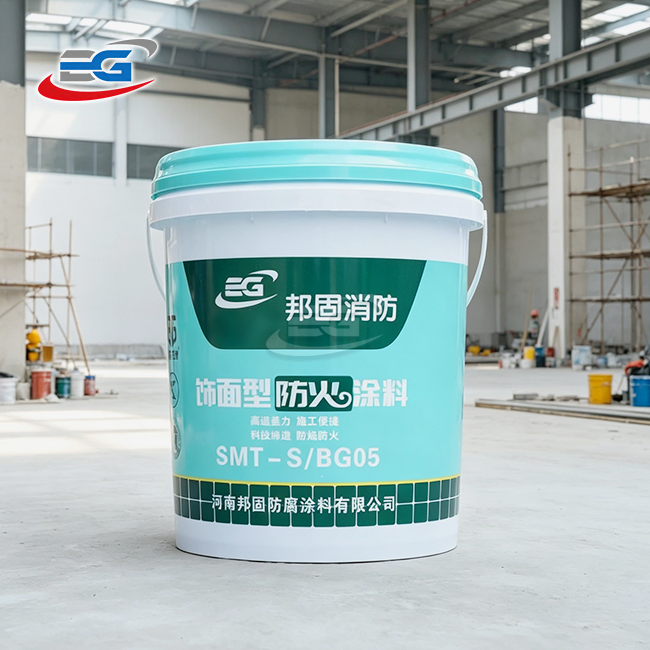 VIEW MOREFinishing type fire retardant coating for ceilings
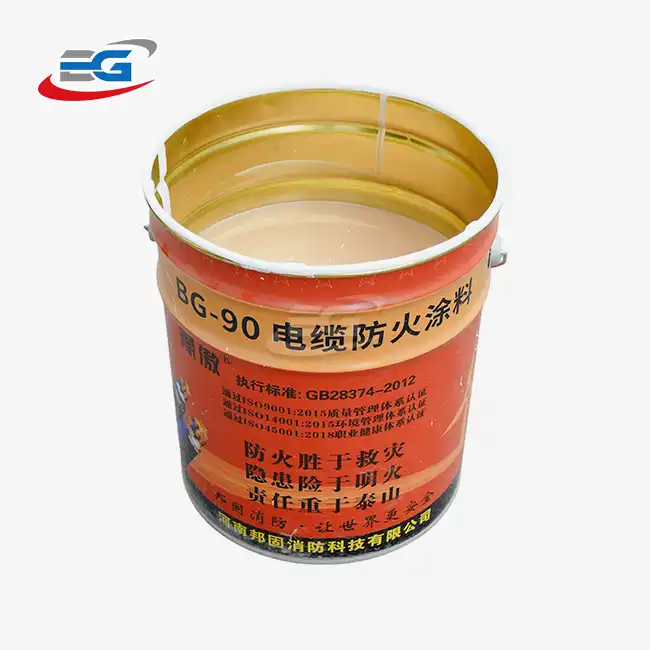 VIEW MOREWire and cable fire retardant coating
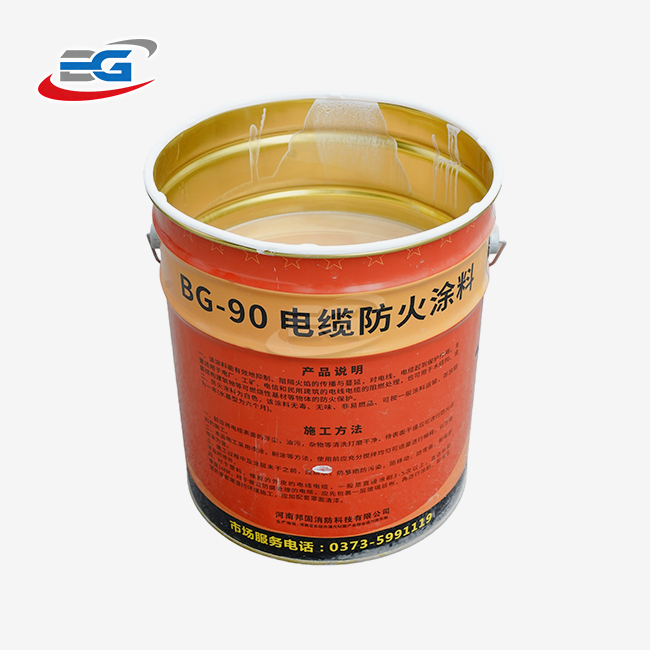 VIEW MOREFlame retardant coating for cable
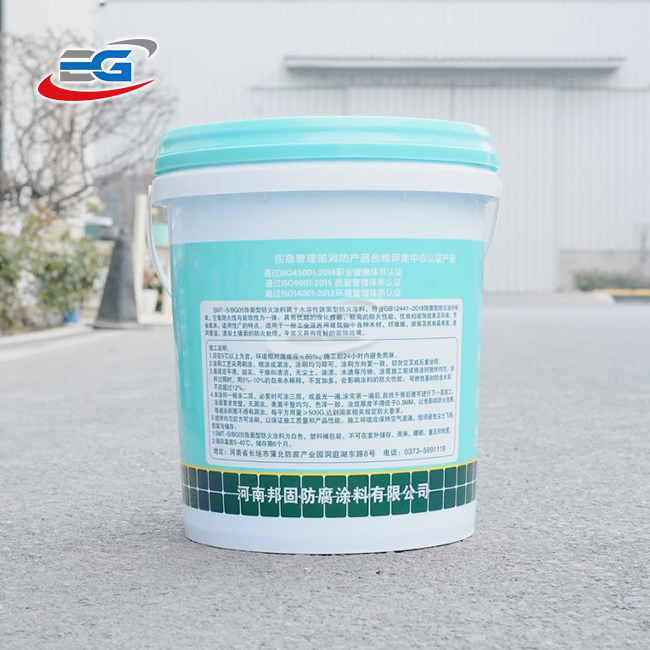 VIEW MORELow VOC Finishing Type Fire Retardant Coating
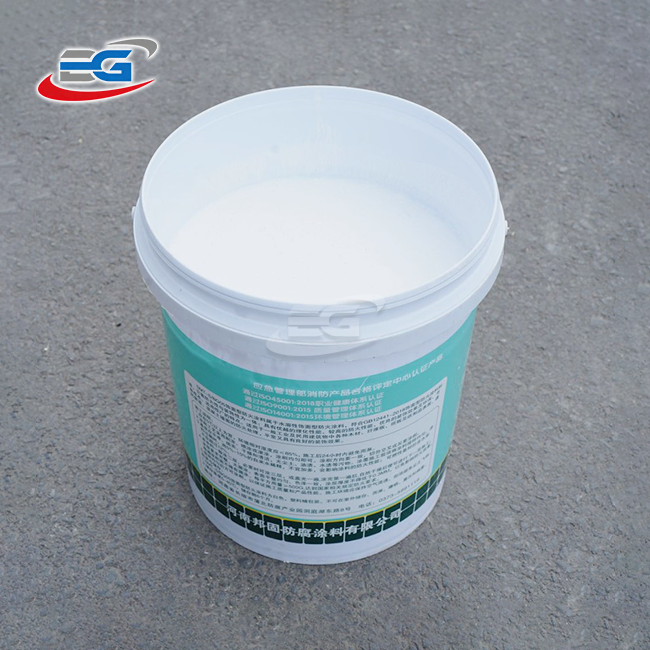 VIEW MORELong Service Life Finishing Type Fire Retardant Coating
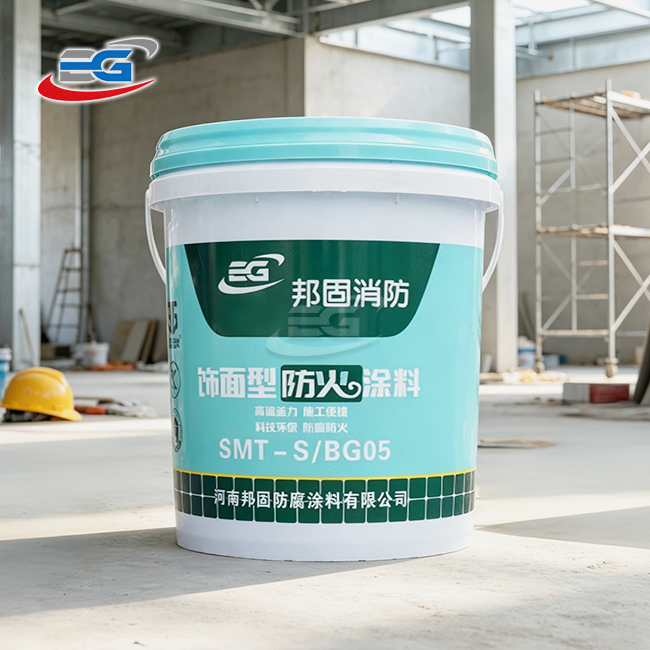 VIEW MOREDecorative fire retardant coating
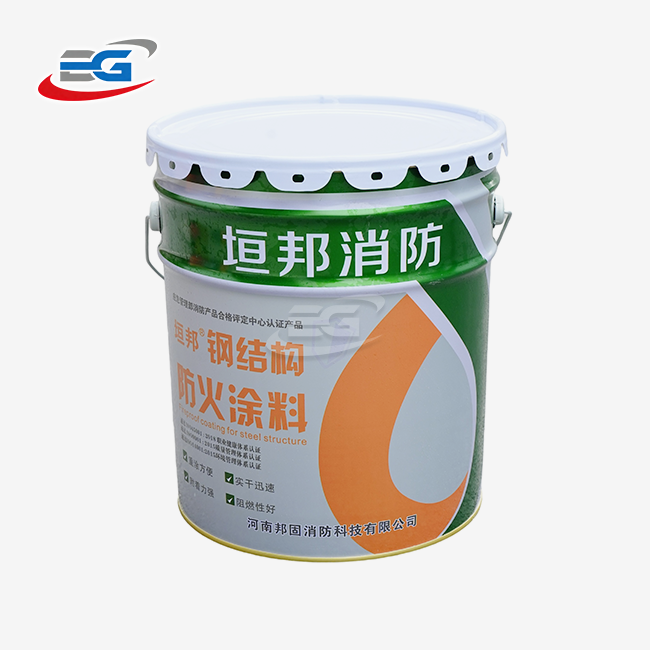 VIEW MOREOutdoor intumescent fire retardant coating for steel structure
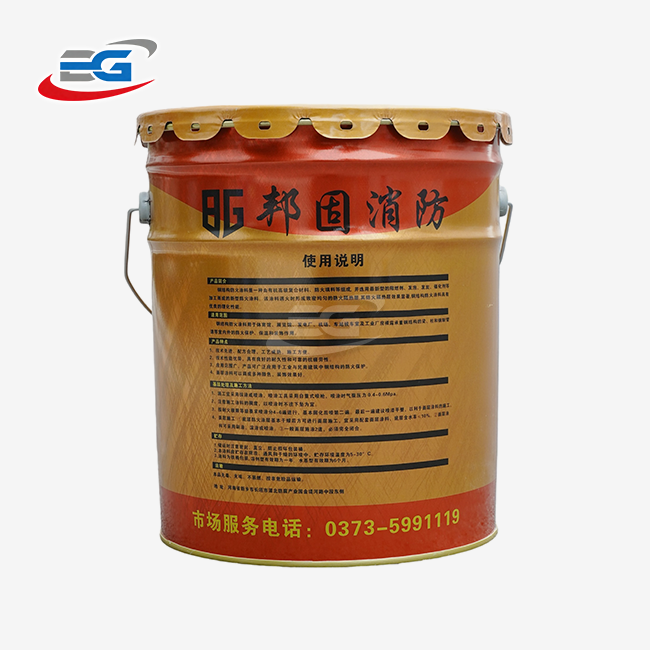 VIEW MOREFireproof Coating for Steel Structures high temperature resistant