



Best Uses and Benefits of Eco-Friendly Steel Fireproof Coatings
If you work in construction procurement, green building design, or OEM brand development, you already know that fire protection and environmental responsibility rarely come in the same package — until now. fireproof coating for steel structures eco-friendly products have changed how B2B buyers approach passive fire protection. They deliver verified fire resistance ratings while meeting strict VOC limits, halogen-free standards, and green building certification requirements. This guide walks you through what these coatings are, where they perform best, and how to procure them with confidence.
Understanding Eco-Friendly Fireproof Coatings for Steel Structures
What Makes a Fireproof Coating "Eco-Friendly"?
Not all coatings with a low smell are actually eco-friendly. A real product has VOC readings that have been checked by a third party. For water-based formulas, the level should be ≤120 g/L, and for solvent-based formulas, it should be ≤650 g/L. It also doesn't contain any heavy metals, halogens, or other banned chemicals. These coatings work with intumescent chemistry, which means that when heat hits a certain point, the coating spreads and forms a thick layer of char that slows the transfer of heat to the steel below.


How the Chemistry Protects Steel
Above 550°C, steel that isn't protected quickly loses its ability to hold weight. An intumescent low-VOC layer can grow 40–60 times thicker than it was at first, making a shield that keeps heat in. Banggu Fanghuo's water-based intumescent formula cuts heat transfer by up to 40%, keeping structural steel in a safe temperature range for 1.9 hours—long enough for people to get out of the building safely and put out the fire.
Regulatory Context Driving Demand
In order to meet certain VOC limits for architectural coatings, LEED v4.1, BREEAM 2018, and California's South Coast AQMD Rule 1113 all came up with their own rules. More and more, public buildings, schools, and hospitals need proof of compliance. Intumescent coatings that are water-based and don't contain halogens meet these standards and help projects earn points under EQ Credit: Low-Emitting Materials in LEED for fireproof coating for steel structures eco-friendly applications.
Benefits and Environmental Impact of Eco-Friendly Fireproof Coatings
Performance You Can Verify
Testing by a third party under ISO 834 and ASTM E119 shows that thin-film types must be fire-resistant for 0.5 to 3 hours and thick-film types must be fire-resistant for 2 to 6 hours. Banggu Fanghuo products are certified by ISO 9001, ISO 14001, and ISO 45001, and bonding strength tests show that they stick together with a force of at least 0.15 MPa. After 72 hours of being submerged in water, they don't blister or peel.
Lower VOC Means Safer Indoor Environments
Typical solvent-based paints have more than 400 g/L VOC, which makes sick building syndrome and air quality violations more likely. Using a water-based passive fire protection system lowers the risk to people inside and makes it easier to show that the air quality is good for LEED or BREEAM submissions. With a thermal conductivity of ≤0.12 W/(m·K), structural steel also doesn't get as hot during a fire.
Reduced Lifecycle Environmental Footprint
Eco-friendly fire-resistant coats for steel make less harmful trash when they are put on. Transport rules say that water-based and cement-based versions are not dangerous, which makes operations easier. With regular upkeep, the service life is more than 10 years, which means that the coating doesn't need to be replaced as often and the building releases fewer VOCs over its lifetime.
Best Uses and Application Methods of Eco-Friendly Fireproof Coatings
These coatings can be used in more than one area. Because they are non-toxic and easy to use, they can be used on a lot of different types of projects, from public buildings that need to be safe to heavy industrial frames.
The way the coating is applied has a direct effect on its consistency. Spraying is best for big steel beam jobs because it quickly gives a uniform thickness. For small spots or touch-ups, brushing works well. It takes 0.5 to 1 hour for the surface to no longer stick, and 12 to 24 hours at +5 to 40°C for the full fix to happen. This helps keep project plans tight. The thickness of the coating can be anywhere from 3 to 50 mm, depending on how long the fire resistance needs to be.
- Industrial plants and warehouses: Steel frames, support beams, and roof trusses in high-fire-risk storage environments benefit from thick-film cementitious or intumescent systems offering 2–6 hours of protection.
- Commercial buildings: Shopping centers, office complexes, and hotels require thin-film intumescent coatings that maintain a clean decorative finish without adding structural load.
- Public facilities: Airports, stadiums, and transportation hubs need coatings with low smoke toxicity and humidity resistance. Application at RH ≤85% and substrate temperature ≥3°C above dew point ensures proper adhesion.
- Schools and hospitals: These environments require non-toxic, low-odor formulas safe for occupied buildings. Water-based variants with VOC ≤120 g/L are specifically suited here.
- Outdoor steel structures: Outdoor applications lasting beyond five years require a UV/weather-resistant topcoat system over the intumescent base layer to prevent degradation from solar exposure.
With these choices, builders and procurement teams can easily find the right method for any building exposure situation, without sacrificing fire safety or environmental standards.
These options give procurement teams and contractors the flexibility to match the right system to each structural exposure condition without compromising fire performance or environmental compliance for fireproof coating for steel structures eco-friendly solutions.
Comparing Eco-Friendly Coatings with Traditional Options
Fire Performance Parity
Traditional coatings made from solvents have similar fire resistance ratings, but they are very bad for the environment and your health. Comparative data from outside sources shows that water-based intumescent systems meet the same standards as ASTM E119 and EN 13501, and in most cases they cut VOC emissions by over 70%.
Cost-of-Ownership Analysis
The higher initial cost of materials for eco-friendly versions is balanced by the fact that they need less air flow during installation, cost less to comply with regulations, and last longer. For buyers of OEM brands who spend $300,000 to $2,000,000 a year, the lower risk of product recalls or fines in EU or US markets is a big financial safety net.
Procurement Risk Profile
More and more rules are putting pressure on traditional paints that have a lot of volatile organic compounds (VOCs). Limits are getting tighter over time because of the EPA's National Emission Standards and the EU's Decoupling Directive. If you buy a product that already meets the lower thresholds instead of the current legal minimum, your supply chain will be less affected by changes to the law in the near future.
How to Choose and Procure the Best Eco-Friendly Fireproof Coatings for Steel Structures?
Define Your Technical Baseline First
First, decide how much fire resistance you need: R60, R90, or R120 (equal to 1, 1.5, or 2 hours). Then, check to see if the paint will be fully exposed to the sun or just partially exposed to the sun to see if a UV/weather topcoat is needed. For indoor use, UV resistance is not needed. For outdoor use that lasts longer than five years, a full weather-resistant system is needed.
What to Request from Your Supplier
Request the following before placing a trial order for a fireproof coating for steel structures eco-friendly manufacturer:
- CMA/CNAS-accredited third-party VOC test report
- MSDS and TDS documents matching the specific product variant
- Confirmation of halogen-free and heavy-metal-free formulation
- ISO 14001 environmental management certificate
- NDA commitment for OEM formula and client data protection
- Color customization and packaging options for OEM/ODM branding
Storage and Handling Compliance
Water-based and cement-based products are safe to store between 5°C and 45°C for up to 12 months. Solvent-based versions are dangerous (flashpoint >60°C, UN1263 Class 3) and need proper paperwork for shipping and storage. Customs and warehouse delays can be avoided by making sure of these logistics details ahead of time.
Conclusion
Coatings for steel structures that are eco-friendly and protect against fire have grown up to the point where performance and durability no longer have to be chosen between. These goods meet safety standards and green building certification programs because they have a service life of more than ten years, a fire resistance of at least 1.9 hours, and a heat transfer decrease of at least 40%. For procurement teams, OEM brand buyers, and project planners working in the US or EU markets, the biggest compliance risks can be taken away by choosing a provider with ISO certifications, third-party tested VOC data, and flexible OEM capabilities for fireproof coating for steel structures eco-friendly solutions.
FAQ
Is this coating safe for use in schools and hospitals?
Yes, water-based formulas with VOC ≤120 g/L don't smell bad when they're being used or afterward. Once it's dried, tests show that it isn't harmful and doesn't contain any chemicals that are irritating. These qualities meet the standards for indoor air quality that are common in buying specs for schools and hospitals.
How long does the coating last?
Under normal, protected indoor conditions, the service life is more than 10 years with regular checks. For outdoor uses that will be affected by UV light and weather, you need a topcoat system that works with the paint. Without a UV protection, it's not certain that the item will last outside for more than five years.
Can I get a custom color or private-label packaging?
Yes, Banggu Fanghuo offers full OEM and ODM services, such as changing the formula, matching colors, and making packaging with your own logo. Every OEM client has to sign an NDA to keep formula details and customer data safe.
What certifications does the product carry?
Systems that are approved by ISO 9001, ISO 14001, and ISO 45001 are used to make the products. Third-party testing for fire resistance follows ISO 834 and country norms that are similar. For both US and EU regulations, VOC compliance paperwork is provided.
What is the minimum order for a trial sample?
You can do small-batch sampling. Before committing to full production, talk to the technical team about sample amounts, color needs, and the scope of outdoor testing.
Partner with Banggu Fanghuo for Your Next Fireproof Coating Project
Banggu Fanghuo can help you with your buying because they have been making coatings for 30 years and can do both OEM and ODM work. We provide custom packaging, VOC test results that are approved by the CMA, and formulation services that are protected by an NDA. We also offer sample orders and reorders every three months. We are a certified fireproof coating for steel structures eco-friendly. You can email our expert team at admin@bgfireproof.com to get product info sheets or a custom quote.
References
1. ASTM International. ASTM E119: Standard Test Methods for Fire Tests of Building Construction and Materials. 2022.
2. International Organization for Standardization. ISO 834-1: Fire Resistance Tests — Elements of Building Construction. 2014.
3. U.S. Green Building Council. LEED v4.1 Building Design and Construction Reference Guide. 2019.
4. European Parliament. Directive 2004/42/CE on the Limitation of Emissions of Volatile Organic Compounds. 2004.
5. Jimenez, M., Duquesne, S., & Bourbigot, S. "Multiscale Experimental Approach for Developing High-Performance Intumescent Coatings." Industrial & Engineering Chemistry Research, 2006.
6. BRE Global. BREEAM International New Construction Technical Standard. 2016.

USER EVALUATE
Here is the customer's evaluation of us
YOU MAY LIKE
 VIEW MOREFire retardant coating for cable non-toxic
 VIEW MOREcable fire retardant coating
 VIEW MOREFinishing type fire retardant coating eco-friendly
 VIEW MOREFire Retardant Coating with Smooth Finish
 VIEW MOREDecorative fireproof coating
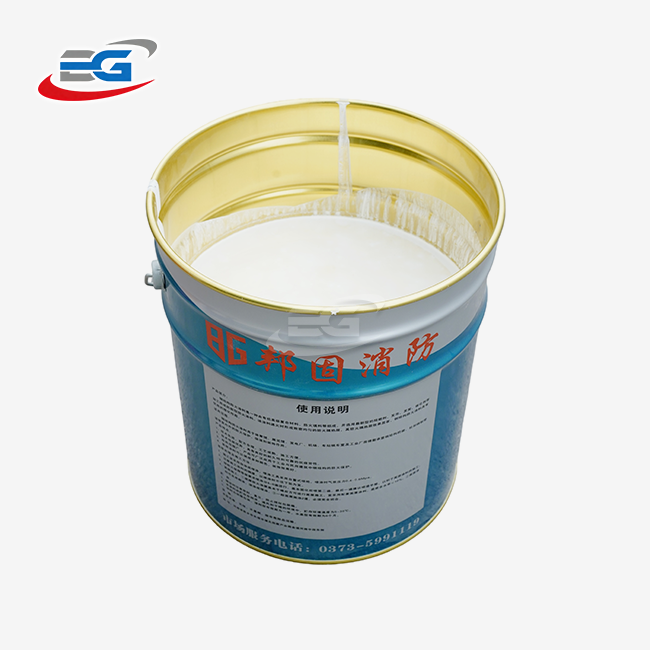 VIEW MOREFireproof Coating for Steel Structures low VOC
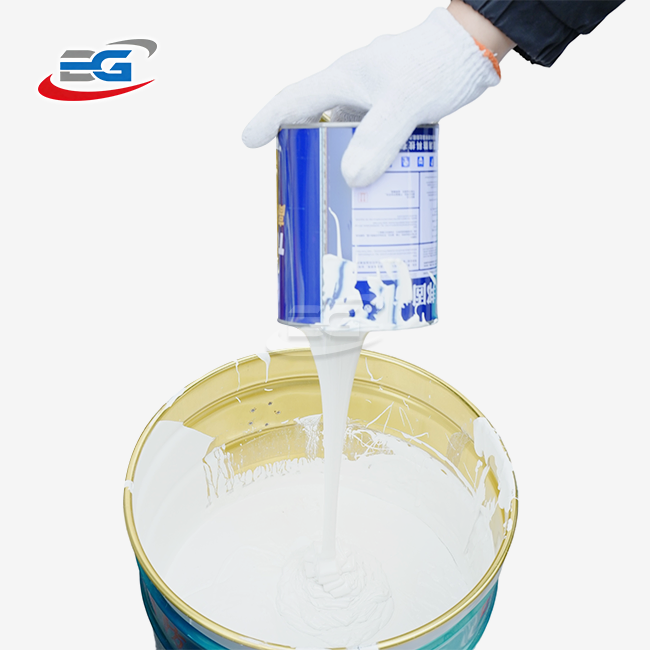 VIEW MOREfireproof coating for walls
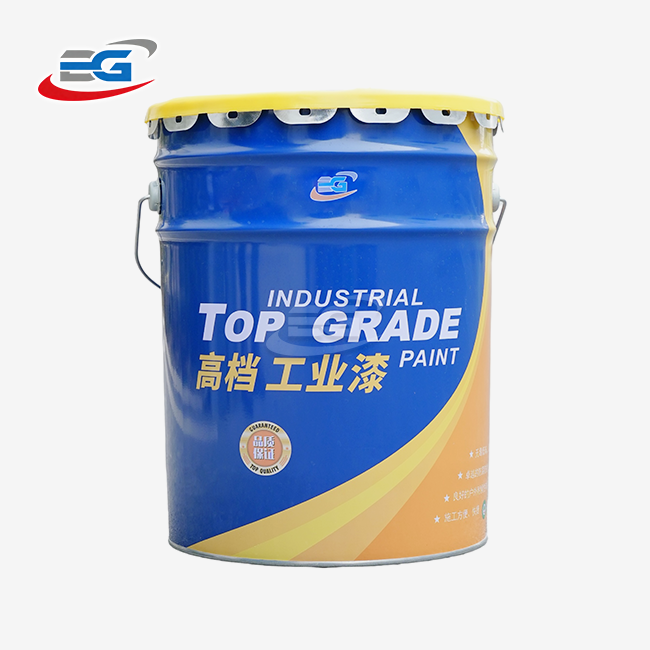 VIEW MOREwater-based fireproof coating