



Can steel be painted with fireproof paint
Yes, steel can absolutely be painted with fireproof paint — and in most commercial and industrial construction contexts, it must be. Structural steel begins losing load-bearing capacity at around 550°C, well below the temperatures a serious building fire can generate. Applying a certified intumescent coating or heat-resistant protective layer directly to steel surfaces addresses this vulnerability head-on. Banggu Fanghuo's fireproof paint for steel is engineered to meet this exact challenge, delivering fire resistance of up to 2.5 hours, Grade 1 adhesion, and temperature tolerance up to 1000°C across beams, columns, frames, and pipes.
Understanding Fireproof Paint for Steel
How the Chemistry Actually Works
An intumescent steel fire prevention coating experiences a quick chemical reaction when heated above about 200°C. It forms a persistent coating of carbonaceous char as it expands, sometimes 40 to 60 times its initial dry film thickness. Because to this char's incredibly low thermal conductivity (≤0.12 W/m·K), heat transfer to the steel substrate is slowed, saving vital time for escape and firefighting. A basic fire-retardant coating, which only postpones ignition on combustible surfaces, is quite different from this mechanism. Steel fireproof paint actively insulates the structural component.
Coating Types Available for Steel
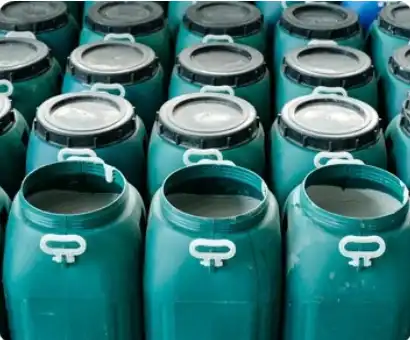
The market is served by three main categories. When esthetics are important and fire ratings of 30 to 120 minutes are needed, thin-film intumescent coatings (water-based or solvent-based acrylic systems) are appropriate for interior structural steel. With ratings of at least four hours, thick-film epoxy-based coatings may withstand hydrocarbon fire conditions that are typical in petrochemical and offshore installations.
Instead of providing passive fire protection, silicone-based high-temperature coatings target equipment surfaces that are subjected to prolonged elevated temperatures. The thin-film intumescent category, which comes in water-based (VOC ≤120 g/L) and solvent-based (VOC ≤650 g/L) versions, offers the finest combination of cost, workability, and verified performance for the majority of civil and industrial steel frame applications.
A well-chosen steel fire protection coating offers significant anti-corrosion benefits in addition to fire resistance, prolonging the structural parts' service life and lowering ongoing maintenance expenses. It is a very cost-effective specification option because of its dual function.
The Fireproof Paint Application Process for Steel
Surface Preparation Is Non-Negotiable
The substrate is where proper adhesion starts. According to ISO 8501-1, steel must be cleaned to a minimum Sa 2.5 standard (near-white blast cleaning), which eliminates moisture, oil, corrosion, and mill scale. The intumescent layer must be applied after a compatible anti-corrosion primer; incompatible primers are one of the main reasons why fire inspections and field application failures occur.
Fireproof paint for steel must be applied over a properly prepared and primed substrate to ensure performance. As part of its regular project assistance, Banggu Fanghuo's technical staff offers primer compatibility data sheets and on-site application guidance.
The following climatic parameters must be met for application: the substrate must be at least 3°C above the dew point, the ambient temperature must be between 5°C and 40°C, and the relative humidity must be less than 85%. A major problem on winter construction schedules is inadequate film formation and reduced fire performance due to cold or humid circumstances outside of these constraints.
Before construction starts, procurement and site teams should verify the following fundamental application parameters:
- Coating thickness range: 3–50 mm depending on fire rating and steel section factor (Hp/A ratio)
- Theoretical consumption: 0.8–1.5 kg/m² per coat
- Surface dry time: ≤4 hours; full cure: ≤24 hours under standard conditions
- Application methods: airless spray (preferred for large areas), brush, or roller
Whether a project passes its fire inspection on its first try is directly determined by these factors. The most frequent reason for re-inspection failures on steel building sites is thickness under-runs.
Site supervisors should perform wet-film thickness checks during application and dry-film thickness verification using a calibrated magnetic gage on the cured coat after verifying application parameters. Third-party inspection records and CCCF certificate traceability require this step.
Choosing the Right Fireproof Coating for Your Steel Project
Matching Rating to Specification
Based on occupancy type, building height, and local code, the structural engineer determines the necessary fire resistance duration, which is usually 0.5 h, 1.0 h, 1.5 h, or 2.0 h. A loading table that links fire rating to the necessary dry film thickness for a specific section factor is provided by the manufacturer for each certified coating. A discrepancy between the certified model and the supplied product is a warning sign during inspection, thus procurement teams should confirm that the test certificate precisely matches the product model being purchased.
An extra UV-resistant and weatherproof topcoat treatment is required for exterior applications that last longer than five years. Fireproof paint for steel in such cases must be protected by this topcoat to maintain long-term performance. Although a decorative finish layer may still be required for cosmetic purposes, a dedicated topcoat is not necessary for interior use that is not exposed to the elements.
For both interior and outdoor steel buildings, Banggu Fanghuo manufactures intumescent (thin-type) and non-intumescent (thick-type) systems. Beams, columns, frames, and pipes for residential, commercial, industrial, and infrastructure project categories are all included in the product line. With a 5,000–8,000 ton yearly manufacturing capacity and accredited logistics for both land and sea transportation, the company can handle large-scale project deliveries with no lead-time risk.
Cost, Procurement, and Logistics Considerations
What Drives Total Project Cost
Although it rarely provides the whole picture, the unit price per ton is important. Compared to a rival product that requires heavier constructions, a thinner intumescent system with a high expansion ratio may obtain a 90-minute rating at a significantly lower material volume. To compare genuine delivered costs across suppliers, procurement managers should seek a project-specific consumption calculation that includes the steel section list, needed ratings, and surface area.
Site design is influenced by important storage and logistics factors: the product's shelf life is six months for cementitious thick-coat kinds and twelve months for water-based and solvent-based varieties. In a dry setting, the storage temperature should stay between 5°C and 45°C. Water-based and cementitious materials are not dangerous, however solvent-based goods are categorized as flammable liquids (UN1263 Class 3) and require appropriate transit documents.
OEM and ODM customization, flexible batch delivery in line with project milestones, and extensive pre-sales and post-sales technical support, including construction methodology statements and remote troubleshooting assistance, are all provided by Banggu Fanghuo.
Practical Insights: What Project Teams Learn in the Field
Two issues are consistently identified above all others by seasoned painting contractors. The first is controlling the thickness of fireproof paint for steel on intricate steel parts; flanges, webs, and connecting plates all respond differently to spray application, and overspray waste on flanges can result in undercoated web surfaces.
Sequential zone application with wet-film gaging at each stage is the solution. Erection sequences for fast-track projects are disrupted when ambient conditions fall beyond the 5°C–40°C and RH ≤85% window. This is the second challenge: schedule pressure in cold or wet weather.
The usage of digital tools to solve these problems is growing. Dry-film thickness gages with Bluetooth capability record readings straight to project management systems, producing an auditable coat record that appeases both internal quality assurance and external inspectors. This integration improves the documentation package for fire acceptance and lowers the risk of re-inspection.
Conclusion
Steel can not only be painted with fireproof coating — it routinely must be, and the protection it delivers is both code-mandated and genuinely life-saving. Selecting the right product type, verifying the certificate-to-model alignment, controlling application conditions, and confirming dry film thickness are the four pillars of a compliant and durable installation. With clear selection criteria, a reliable certified supplier, and proper on-site execution, fireproof paint for steel delivers measurable fire protection performance with predictable cost and schedule outcomes for any scale of project.
FAQ
Can I apply fireproof paint directly to bare steel without a primer?
No. Before applying an intumescent coating, a suitable anti-corrosion primer is needed. Under the coating film, bare steel corrodes quickly, weakening adhesion and perhaps invalidating the fire certificate. To ensure primer compatibility, always refer to the system datasheet provided by the manufacturer.
How thick does the coating need to be for a 90-minute fire rating?
The Hp/A (massivity) ratio of the steel segment determines its thickness. Compared to a heavy section, a thin column with a high Hp/A value requires more coating. The precise dry film thickness for each rating and section factor is specified in loading tables published by manufacturers. On request, Banggu Fanghuo provides thickness estimations unique to the project.
What is the difference between intumescent paint and thick-coat cementitious fireproofing?
When heated, intumescent (thin-film) coatings expand chemically to produce an insulating char. They are appropriate for exposed steelwork, lightweight, and esthetically pleasing. Thick-coat cementitious systems physically apply a mineral-based layer; they are strong and economical for hidden steelwork, but they add a lot of weight and need labor comparable to that of plastering.
Does outdoor steel need a different fireproof coating system?
Indeed. UV and weather protection are lacking in interior coatings. To ensure long-term performance, a certified UV-resistant topcoat must be applied over the intumescent layer for outdoor steel or any application lasting longer than five years in a humid or exposed environment.
Ready to Protect Your Steel Structures? Contact Banggu Fanghuo
High-performance, approved intumescent coatings designed for challenging steel construction projects are provided by Banggu Fanghuo. With more than 30 years of experience, ISO 9001/14001/45001 certifications, and an annual capacity of 5,000–8,000 tons, we are a professional manufacturer of fireproof paint for steel that supports bulk procurement with OEM/ODM flexibility and comprehensive technical documentation. Get a quote and consumption estimate for your project right now at admin@bgfireproof.com.
References
1. ASTM International. ASTM E119: Standard Test Methods for Fire Tests of Building Construction and Materials. ASTM International, 2023.
2. British Standards Institution. BS EN 13381-8: Test Methods for Determining the Contribution to the Fire Resistance of Structural Members — Reactive Protection Applied to Steel Members. BSI, 2013.
3. International Organization for Standardization. ISO 8501-1: Preparation of Steel Substrates Before Application of Paints and Related Products. ISO, 2007.
4. Society of Fire Protection Engineers. SFPE Handbook of Fire Protection Engineering, 5th ed. Springer, 2016.
5. Lucherini, A., and Maluk, C. "Intumescent Coatings Used for the Fire-Safe Design of Steel Structures: A State-of-the-Art Review." Journal of Constructional Steel Research, vol. 144, 2018, pp. 410–430.
6. Wang, Y., Burgess, I., Wald, F., and Gillie, M. Performance-Based Fire Engineering of Structures. CRC Press, 2012.

USER EVALUATE
Here is the customer's evaluation of us
YOU MAY LIKE
 VIEW MOREcable fire retardant coating
 VIEW MOREFinishing type fire retardant coating for building interior
 VIEW MOREFinishing type fire retardant coating eco-friendly
 VIEW MOREScrub Resistant Finishing Type Fire Retardant Coating
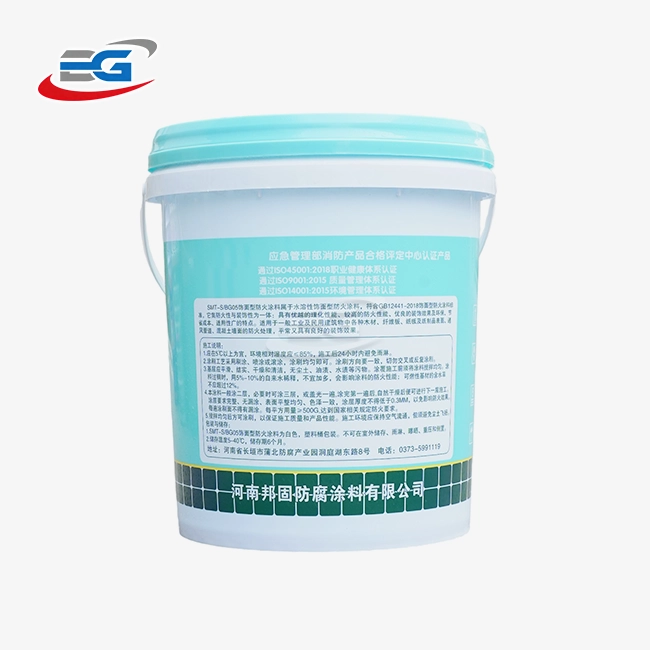 VIEW MOREFireproof finishing paint
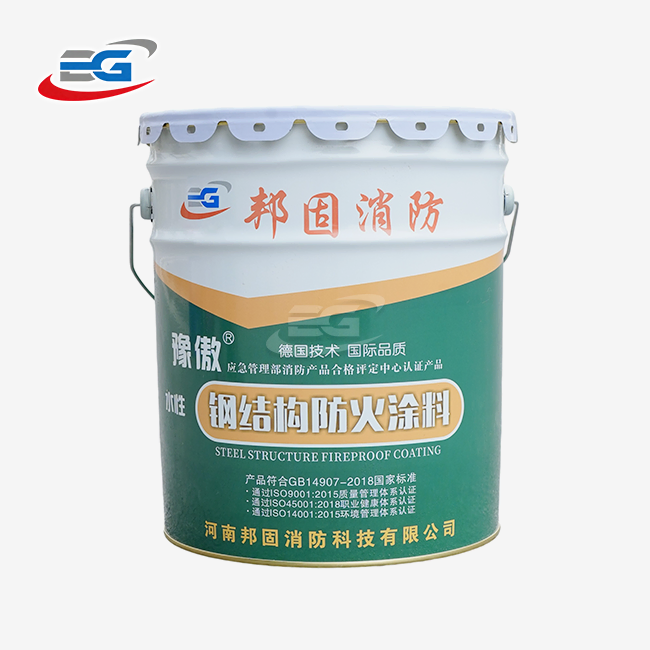 VIEW MORElong lasting fireproof coating
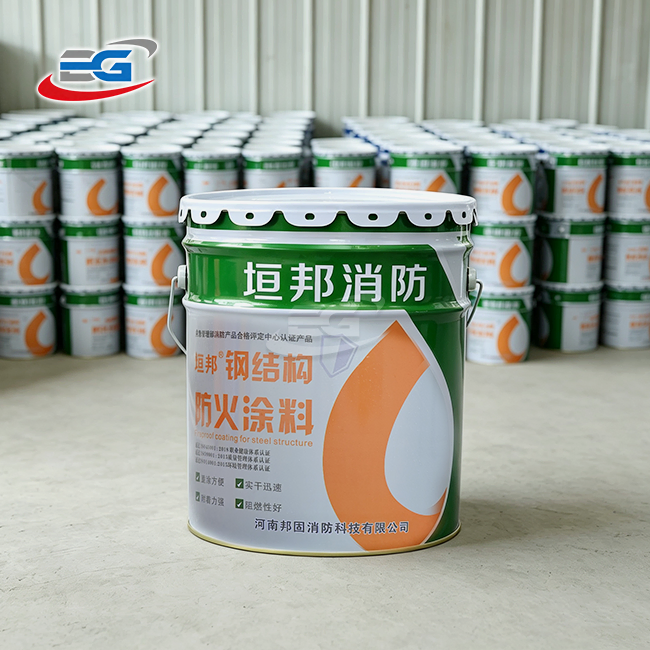 VIEW MOREinterior fireproof coating
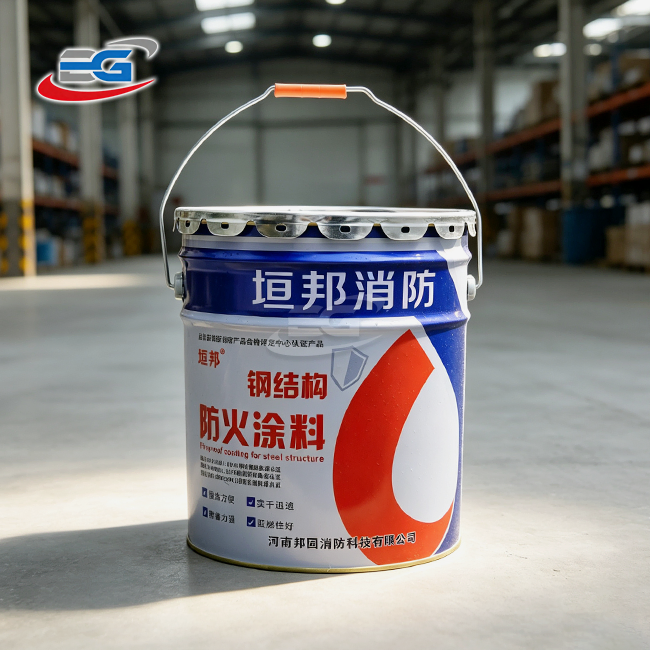 VIEW MOREfire resistant coating