



What is fire resistant coating an example of?
A fire resistant coating is a prime example of Passive Fire Protection (PFP) — a category of building safety technology that works silently and continuously without any activation mechanism. Unlike sprinkler systems or fire alarms, a fire resistant coating stays fixed to the substrate, forming a thermal barrier that delays heat transfer and structural failure the moment a fire starts.
Products in this category include intumescent coatings for steel, cementitious spray coatings for concrete, and decorative fire-retardant finishes for timber. They represent the engineering answer to one of construction's most persistent challenges: keeping structures standing long enough for people to get out safely.
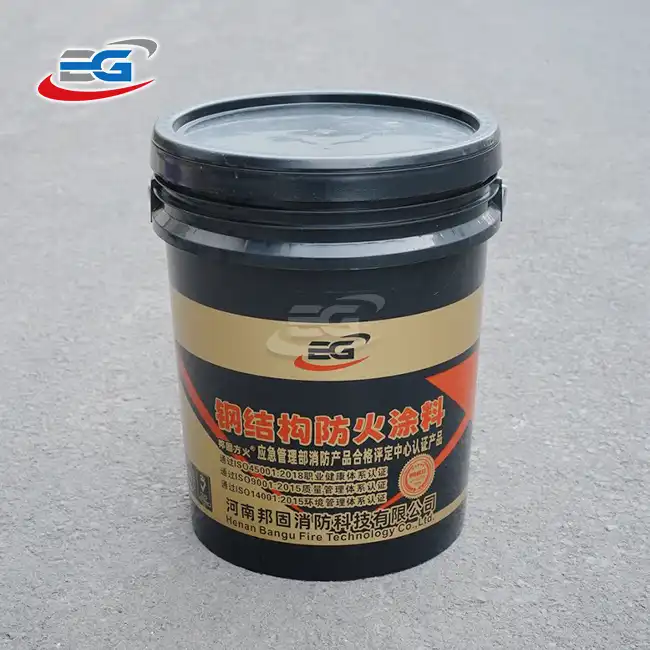
Understanding Fire Resistant Coating: What It Is and How It Works
Defining the Technology
A fireproof coating is a useful substance that is put on steel, wood, concrete, or composite panels to slow the flow of heat during a fire. It is around 550°C when steel starts to lose its strength. This can happen right away after being near a fire. According to the ASTM E119 and EN 13381 test guidelines, a good protective layer adds important time. This time is generally measured in 1-hour, 2-hour, or 4-hour chunks.
Main Types and How They Differ
Most people in the market know about three kinds of coatings. Most of the time, intumescent surfaces grow by a 40:1 to 60:1 ratio when heated. This makes a layer of charred carbon that protects the steel below. With mineral density, cementitious coats can stand up to heat, and they work well on big structure parts. Epoxy-based and water-based formulations are both resistant to chemicals and have lower VOC profiles, which means they can be used in both factory and home settings.
Fire Resistant Coating vs. Fire Retardant: The Key Difference
These two words are often mixed up, but they mean different things. It is impossible for flames to move across a surface that has been tested according to ASTM E84. The building doesn't fall down because of a protective fire-resistant layer that has been tested under ASTM E119 or a similar standard. Before you place an order, you should always make sure you know which standard fits the needs of the project.
Key Benefits and Industrial Applications of Fire Resistant Coatings
Why Engineers Specify Protective Coatings
Time is clearly a gain because it gives people time to leave and emergency workers time to do their jobs. Certified fire resistant coating help building owners meet the standards of the IBC, NFPA, and local fire authority, which is generally needed to get an occupancy permit. They also keep people safe. Also, certified goods lower the chance of insurance liability, which is good for business owners and industry workers because it saves them money.
Here are the main benefits in terms of speed and safety that get people to choose certain specs:
- Structural integrity during fire: A coating with a ≥2-hour fire resistance rating keeps steel columns and beams within safe temperature limits long after ignition, preventing progressive collapse in high-rise and industrial frames.
- Corrosion protection in tandem: Many intumescent systems include anti-corrosion primers, addressing two durability problems with a single application sequence and reducing total lifecycle maintenance cost.
- Low environmental impact: Water-based formulations carry VOC content at or below 120 g/L, meeting LEED and REACH compliance thresholds while keeping the work environment healthier during application.
Application Methods and Maintenance
Before painting, the base has to be clean, dry, and primed. The surface has to be prepared according to SSPC-SP6 or a similar standard. A spray gun without air is the fastest way to paint large amounts of steel. For touch-ups and places with odd forms, you can use a brush or roller. Make sure the base stays at least 3°C above the dew point and is used between +5°C and +40°C.
The humidity level should be at least 85%. If you only plan to use it inside, you don't need a UV or waterproof finish. For outdoor use, you need a UV/weather finish coat that is rated and will last more than five years. This will keep the intumescent layer from breaking down when it gets wet.
Comparing Fire Resistant Coatings: Making the Right Choice for Your Project
Intumescent Paint vs. Thick-Film Coatings
It is best to use thin-film intumescent fire resistant coating (usually 1–5 mm dry film thickness) on ornamental steel that can be seen. This paint leaves the sight lines clear and can be topped with decorative topcoats. Thick-film cementitious spray is more durable, costs less, and can handle rough conditions better on the job site. It can also hold up very large structural parts like transfer beams better. For wood, Class A or Euroclass B fire ratings can only be given to intumescent systems that have been tested in a certain way.
Water-Based vs. Solvent-Based Formulations
There is less of an odor with water-based fire safety coats, and they can be shipped without being seen as dangerous. There is a flash point above 60°C for solvent-based versions. They are a flammable liquid (UN1263, Class 3) and need to be handled as dangerous goods when they are shipped by ocean. This is a real cost of doing business that importers have to add to the landing price. For products that are based on solvents, the VOC limit is ≤650 g/L. For products that are based on water, the limit is ≤120 g/L.
Evaluating Total Cost of Ownership
The price per liter is only one part of the story. It varies on how thick the dry film needs to be, how much it needs to cover, how many coats are used, how much work needs to be done (surface drying takes 4 hours, full cure takes 24 hours), and what finish is needed. When you order a lot of steel frame, artistic, and wire fire protection from the same company, you can mix containers and save money on source management costs. You can also often get better per-unit prices.
Procurement Guide for Fire Resistant Coatings: How to Buy with Confidence
What to Verify Before Committing to a Supplier
The first stop is where the license papers are kept. If the supplier claims to have the latest CCCF (China Compulsory Certification for Fire Products) certification, ISO 9001 quality management certification, and test reports from CMA/CNAS-accredited laboratories, you should be sure they do.
Not just images on a website; get the real license numbers and make sure they are up to date. The company's safety and environmental management systems have been checked if it has certifications like CE, ISO 14001, and ISO 45001. In Africa, the Middle East, and Southeast Asia, this helps make sure that imports are legal in those places.
Online Sourcing vs. Local Distributor
People who want to buy fire resistant coating from China can use sites like Alibaba International or Made-in-China to find a certified manufacturer and get factory rates and OEM/ODM choices. This is very important for wholesalers who are making their own brand of goods. When you ask about something, you read paperwork like TDS, MSDS, and test reports.
Then you test a sample or have a third party do it. Next, you check the plant on video or in person. Finally, you agree on a MOQ and a label. Finally, you ship a trial load (1–2 containers) and go big. From the first contact to the first delivery, it usually takes between one and three months.
Bulk Purchasing and Mixed-Container Flexibility
wholesalers need to be able to mix different types of products in the same container. They need to be able to get water-based and solvent-based structural steel coatings, decorative fire-resistant coatings, and cable fire protection coatings. It cuts down on the minimum order size and lets dealers in the area try out different SKUs before making a big order.
Make sure you know how to keep the goods before you ship them. For 12 months, water-based products should be kept between 5°C and 45°C, and for 6 months, cementitious goods should be kept the same way. Products that use solvents need to be kept dry, cool, and away from things that can catch fire.
Conclusion
Fire-resistant finishes, namely fire resistant coating, are one of the types of building materials that go through the most tests. Which type you pick—intumescent or cementitious, water-based or solvent-based—depends on the base, the weather, the job's budget, and the fire rating needs. You can choose better where to buy things if you look at certifications, know about VOC compliance, and find out the total fixed cost instead of the unit price. Those who are building a regional fire safety supply chain can make things easier and get their goods to market faster by working with a manufacturer that has a lot of different approved products in one place.
FAQ
How thick should fire resistant coating be applied to steel?
The fire grade and the steel piece's Hp/A massivity factor tell us how thick it should be. What these things mean for the thickness of the dry film is shown in loading tables from manufacturers. Most of the time, an intumescent coating needs between 1.5 mm and 4 mm DFT for a normal wide-flange column that needs a 2-hour grade. Always use thickness tables that were made by the same company. These are only good for the brand they were made for and can't be used with other brands.
Can fire resistant coating be applied over existing paint?
Yes, but there are some rules. In order for the old paint to stick well, it must be chemically compatible with the intumescent system and not have more buildup than what the manufacturer says is safe. There should be a test of adhesive on a small area. For the manufacturer's license to stay valid, check the product's Technical Data Sheet to see if it says that it must be applied directly to steel.
How long does fire resistant coating last?
As long as it is checked often, the service life should be more than 20 years if it is used properly the first time and kept in a climate-controlled place. If the product doesn't have a rated UV/weather protection, being outside will shorten its life. When toxins are present in the workplace, special preparations are needed. As a normal maintenance measure, NFPA 25 says that business buildings should be checked over again every 5 years.
Request a Sample or Quote from Banggu Fanghuo
Bangladesh Fanghuo has a full line of fire-resistant coatings for steel structures, decorations, and wire safety. These coatings are certified by ISO 9001, ISO 14001, ISO 45001, and CE. There is proof that we make fire-resistant coatings, and we've been doing it for more than 30 years. We can handle branding for OEM and ODM, mixed-container sales, and all shipping paperwork. Send our team an email at admin@bgfireproof.com or go to bgfireproof.com to get samples of our products, TDS/MSDS files, or a quote for your project.
References
1. ASTM International. ASTM E119: Standard Test Methods for Fire Tests of Building Construction and Materials. 2023.
2. National Fire Protection Association. NFPA 101: Life Safety Code. 2021.
3. Society for Protective Coatings. SSPC-SP 6/NACE No. 3: Commercial Blast Cleaning. 2007.
4. European Committee for Standardization. EN 13381-8: Test Methods for Determining the Contribution to the Fire Resistance of Structural Members — Reactive Protection Applied to Steel Members. 2013.
5. Underwriters Laboratories. UL 263: Fire Tests of Building Construction and Materials. 2011.
6. International Code Council. International Building Code (IBC): Chapter 7 — Fire and Smoke Protection Features. 2021.

USER EVALUATE
Here is the customer's evaluation of us
YOU MAY LIKE
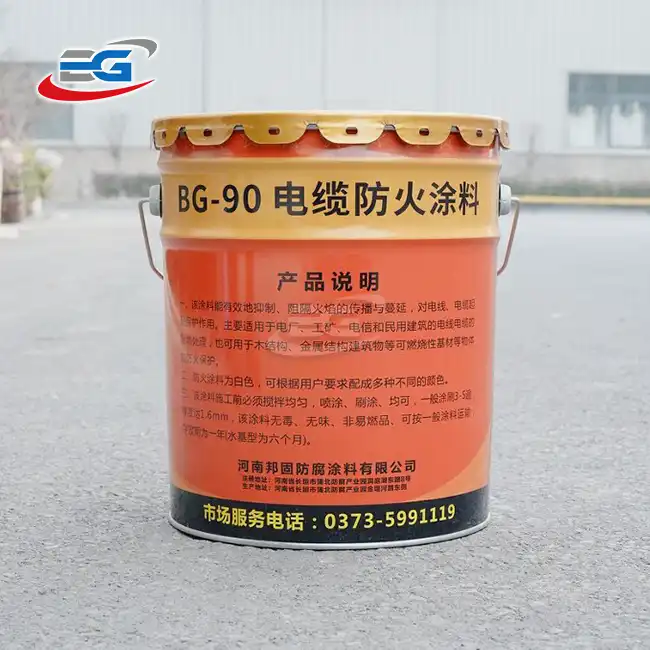 VIEW MOREFire retardant coating for cable halogen free
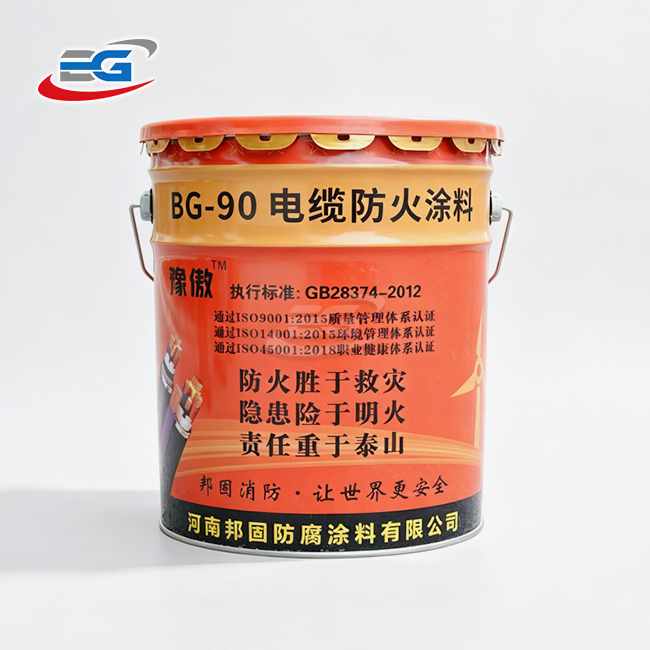 VIEW MORECable fire protection coating
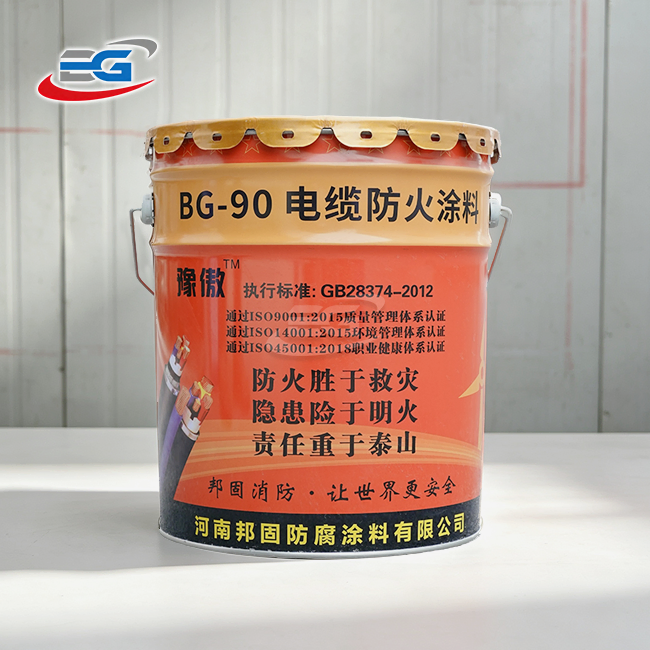 VIEW MOREfire coating for cables
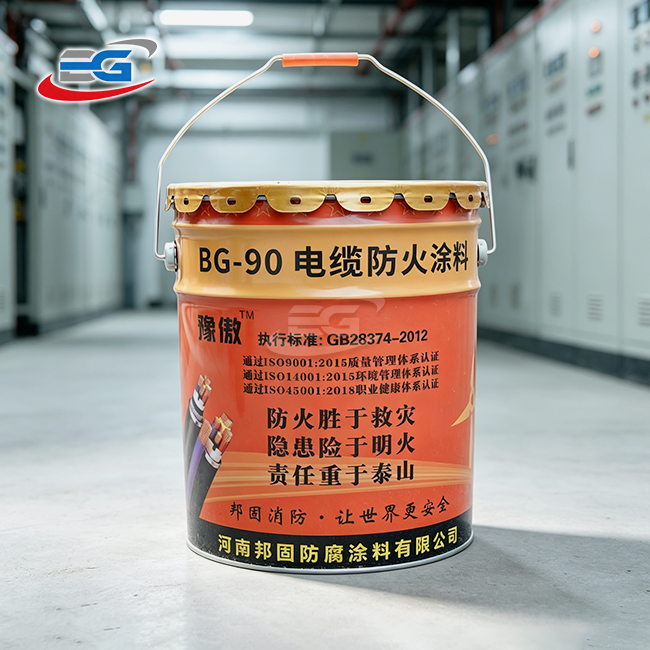 VIEW MOREfire retardant coating for electrical cables
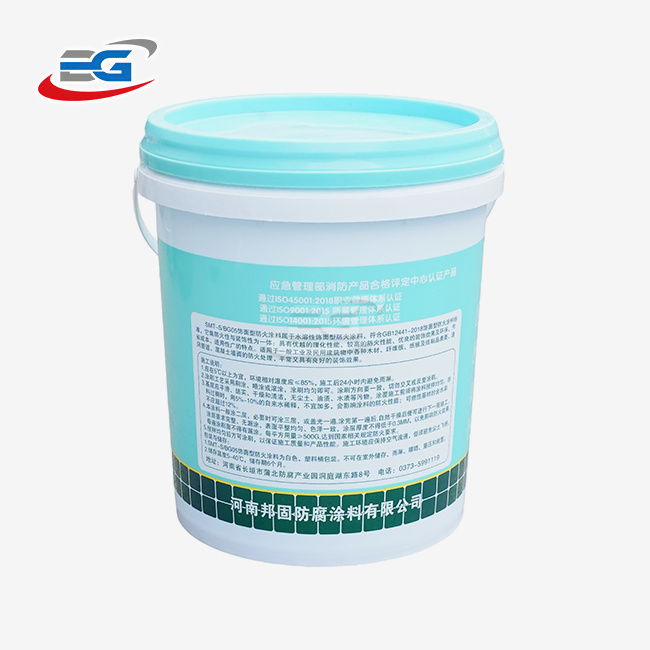 VIEW MOREDecorative finish fireproof paint
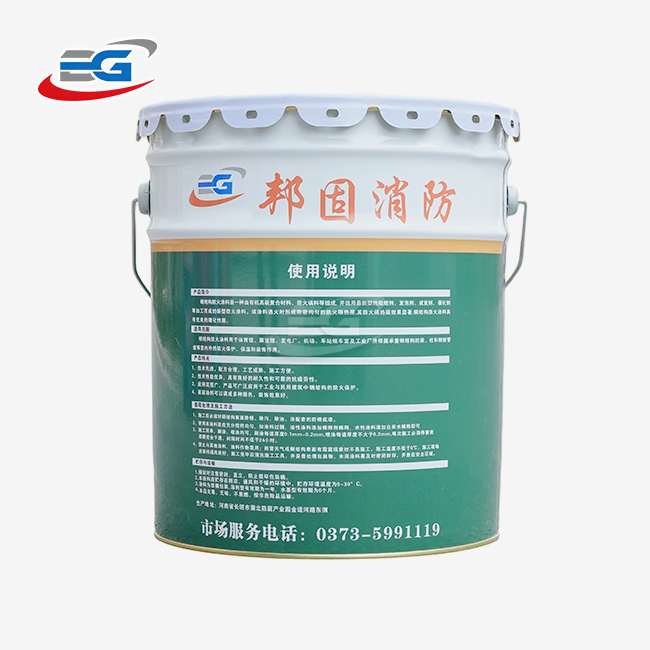 VIEW MOREdurable fireproof coating
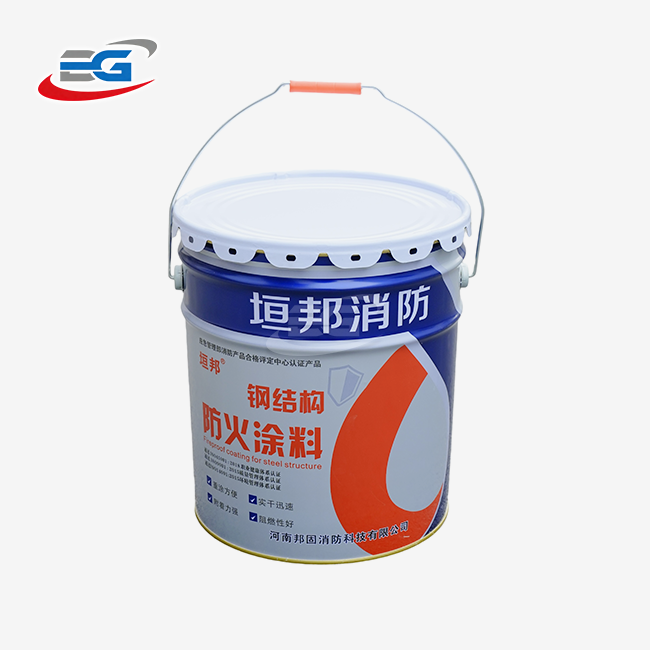 VIEW MOREflame proof coating
 VIEW MOREfire protection coating