



Why Fireproof Paint for Steel Is Essential in Modern Buildings
Steel is the backbone of modern construction—from industrial warehouses to high-rise office towers. Yet steel has one critical weakness: heat. At around 550°C, structural steel loses roughly half its load-bearing capacity, and without protection, a fire can bring down an entire frame in minutes. Applying fireproof paint for steel is the most practical and code-compliant way to delay this failure, buying critical evacuation time. Products certified to handle temperatures up to 1000°C and deliver fire resistance of 1.5 hours or more are no longer optional—they are a baseline requirement on virtually every commercial and industrial project.
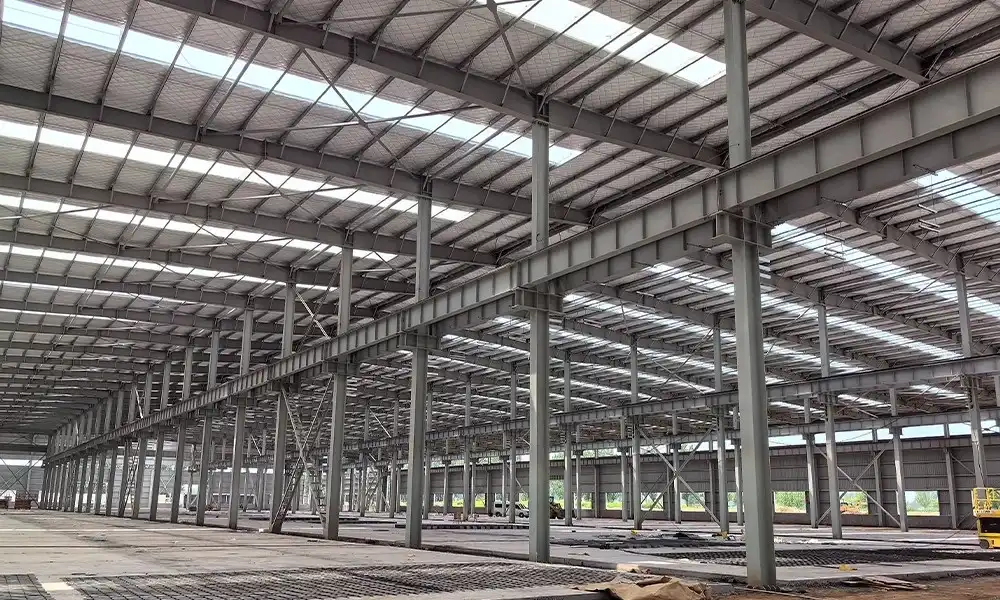
Understanding How Steel Fireproof Coatings Work—and Why They Matter
The Chemistry Behind Intumescent Coatings
For an intumescent layer to begin to react with heat, it needs to be between 200°C and 250°C. This makes the film 50 times thicker than it was when it was dry. The low-conductivity carbonaceous char that forms acts as a thermal blanket and keeps the steel below the point where it would break. The thin-film formulas from Banggu Fanghuo have a thermal conductivity of ≤0.12 W/(m·K), which is a standard that can be checked against test results from someone else.
Fire Resistance Ratings Explained
Fire resistance is given in 30 minute, 60 minute, 90 minute, or 120 minute chunks. It has something to do with the steel section's dry film thickness (DFT) and massivity ratio (Hp/A). The coatings from Banggu Fanghuo have ratings that depend on how thick they are (3–50 mm). The ratings range from 0.5 to 3 hours. Most of the time, re-inspection fails because the right DFT wasn't matched to the project's rated fire resistance requirement. If you want to make things clear, ask your supplier for a table that shows thickness vs. rating.
Why Building Codes Drive Adoption
International codes such as IBC 2021 and NFPA 5000, as well as China's GB 14907, say that most types of structural steel must have passive fire protection. If you don't follow the rules, you could end up with expensive repairs, late rental permits, or even legal problems. If you choose a covering with a valid CCCF certificate (or similar CE paperwork) that is related to the exact model of the product you buy, there won't be any problems when the fire guards check it.
Comparing Fireproof Coating Types: Which One Fits Your Project?
Thin-Film Intumescent vs. Thick-Film Cementitious
For business buildings that need a smooth, paintable finish and rates of up to two to three hours, thin-film intumescent fireproof paint for steel are the best choice. These coatings are usually acrylic or water-based. It is possible for thick-film cementitious coatings to last longer than 3 hours, but they are heavier and take longer to cure. Use a thin-film product that dries quickly (surface dry in 4 hours, full fix in 24 hours) to keep the building plan on track without taking performance into account.
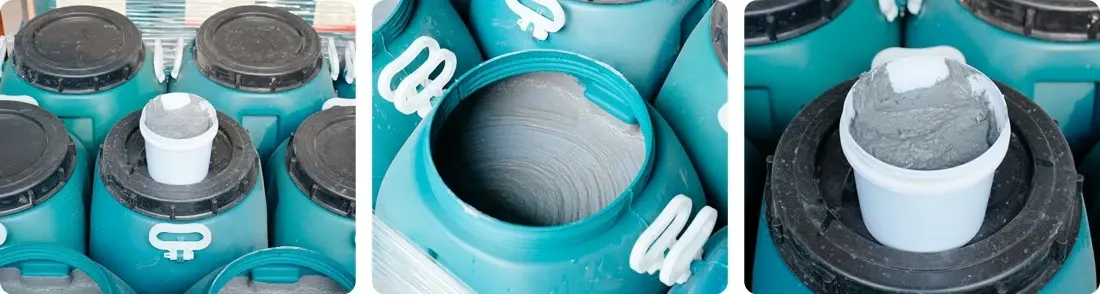
Water-Based vs. Solvent-Based Formulations
To decide whether to use water-based or solvent-based products, look at the conditions on the job site and the rules set by the government. Here are the big differences to help buying teams decide what to do:
- Water-based coatings carry VOC ≤120 g/L, qualify as non-hazardous goods for shipping, and produce minimal odor—ideal for occupied buildings or enclosed fabrication shops.
- Solvent-based coatings carry VOC ≤650 g/L and are classified UN1263 Class 3 flammable liquid, requiring appropriate storage. They perform better in humid or cooler conditions where water-based films are slower to cure.
Both types are Grade 1 sticky and can stand up to a fire for up to 1.5 hours if they are used on the right DFT. You can stop adhesion failures before they become inspection problems if you pick the right chemical for the temperature (5–40°C) and humidity (RH ≤85%) of the site.
Certification and Supply Chain Reliability
It matters a lot if the batch number on your delivery note doesn't match the certificate number on the data sheet when purchasing fireproof paint for steel. Banggu Fanghuo keeps test reports and ISO 9001, ISO 14001, and ISO 45001 certifications for all of their products. The company makes between 5,000 and 8,000 tons of protective paint each year, which means it can keep up with big projects that are done in stages. They always look for this when reducing the number of fireproof paint providers they have to choose from.
Best Practices for Applying Protective Coatings on Steel
Surface Preparation Is Non-Negotiable
To make steel fire-resistant, it needs to be cleaned to at least a Sa 2.5 level. It doesn't matter what the fire rating says if there is still mill scale, rust, or oil on the surface. These things break the bond between the materials. It is part of Banggu Fanghuo's normal service to give tips on how to prepare the surface while the job is being done. This is helpful for projects where the substrate's state changes between big groups of production.
Controlling Thickness in the Field
Everyone who works with film should have both wet film thickness gages and magnetic dry film gages in their kit. Add several coats with a brush or an airless spray, making sure there is space between each one. There must be a temperature difference of at least 5°C between the treatment and the substrate. The substrate must also be at least 3°C above the dew point. These are the factors that allow the window to work in places with a lot of humidity or cold. Projects mostly fail the fire authority's DFT spot-check because they don't do these checks.
Outdoor Durability and Topcoat Requirements
Most of the time, steel that is kept inside in a dry, C1 setting doesn't need an extra finish. Buildings made of steel that will be outside or in wet factories for more than five years need a topcoat system that is resistant to UV light and weather. It's not naturally resistant to UV light in the intumescent layer. Without the right topcoat, salt washing and surface weathering will break down the chemicals that make char over time.
How to Select the Right Fireproof Paint Supplier
Evaluate Certification Against Your Project Specification
The tests should match what your engineer told you about the product's fire grade, base type, and DFT for fireproof paint for steel. Check with the lab that gave you the test report to make sure the number you are given is correct. A seller who can't show a link between the test report and the batch that was shipped is not compliant.
Assess Production Capacity and Logistics
Large projects order tens to hundreds of tons that are shipped over a number of times. Being honest about how much the building can hold each year is just as important as how good the product is. Banggu Fanghuo has permission to drive goods on both land and sea. This lets them send goods to China for projects and to markets in the Middle East, Southeast Asia, and other places to sell their goods.
Prioritize Technical Support Depth
They should give you more than just a product info sheet. They can also help you fix problems with your application from afar and give you selection tables and project-specific quantity calculations. There are a lot fewer mistakes and it costs a lot less to fix work that was done wrong. Banggu Fanghuo offers help with choosing before the sale, help with making, and advice on how to maintain the product for life. When time is short, purchase managers and site engineers really value all of these services.
Where Steel Fire Protection Is Heading
As rules about the climate get tighter in Asia, the EU, and North America, low-VOC and water-based formulations are becoming more common. People who make specifications want goods that meet standards for both fire safety and air quality inside at the same time. Both of these needs are met by Banggu Fanghuo's water-based line (VOC ≤120 g/L), which doesn't hurt its fire performance. It will be very helpful for suppliers who can show they follow the rules in more than one place as more people buy things from other countries.
Conclusion
Steel buildings need time to safely fall apart in a fire. With the proper application of fireproof paint for steel, this time can be bought. It depends on the conditions at the site whether you use water-based or solvent-based chemistry or check the DFT against fire rating tables. Each choice you make affects whether the project passes the first inspection. Banggu Fanghuo has a wide range of goods, has been making coatings for more than 30 years, has approved production capacity, and offers full expert support. This makes it easy for procurement teams to include fire safety in any size project.
FAQ
What is the minimum fire resistance rating for structural steel in commercial buildings?
Most commercial occupancies under IBC 2021 require a minimum 1-hour rating for structural steel columns and beams, with high-rise or assembly-use buildings requiring 2 hours or more. Always verify the specific requirement with the project's engineer of record and local authority.
Can intumescent coatings be applied over existing primer?
Yes, provided the primer is compatible with the intumescent system. Banggu Fanghuo's technical team can confirm compatibility with your primer selection before application begins.
What happens if the coating is applied below the minimum temperature?
Application below 5°C or when the substrate is less than 3°C above the dew point causes poor film formation, adhesion loss, and potential coating failure. Plan your application schedule around these conditions.
How long does fireproof coating last on outdoor steel?
With a compatible UV and weather-resistant topcoat system, the service life exceeds five years in most outdoor environments. Without a topcoat, outdoor durability is not guaranteed.
Does water-based fireproof paint perform the same as solvent-based?
Both types achieve the same fire resistance ratings and Grade 1 adhesion when applied correctly. The choice depends on VOC regulations, site humidity, and temperature conditions at the time of application.
Partner With Banggu Fanghuo for Your Next Project
Business and factories all over the world buy approved steel protective paint from Banggu Fanghuo. If you need protective paint for steel for a single job or a long-term supply deal, our team can help you find one. We can help you with all of your technical questions, as well as selection tables and estimates of amounts. Go to bgfireproof.com or email us at admin@bgfireproof.com to get product data sheets, test certificates, and a price that is made just for your project.
References
1. International Building Code (IBC). International Building Code 2021. International Code Council, 2021.
2. National Fire Protection Association. NFPA 5000: Building Construction and Safety Code. NFPA, 2021.
3. American Society for Testing and Materials. ASTM E119: Standard Test Methods for Fire Tests of Building Construction and Materials. ASTM International, 2020.
4. Underwriters Laboratories. UL 263: Fire Tests of Building Construction and Materials. UL Standards, 2022.
5. European Committee for Standardization. EN 13381-8: Test Methods for Determining the Contribution to the Fire Resistance of Structural Members—Reactive Protection Applied to Steel Members. CEN, 2013.
6. Wang, Y.C., Burgess, I., Wald, F., & Gillie, M. Performance-Based Fire Engineering of Structures. CRC Press, 2012.

USER EVALUATE
Here is the customer's evaluation of us
YOU MAY LIKE
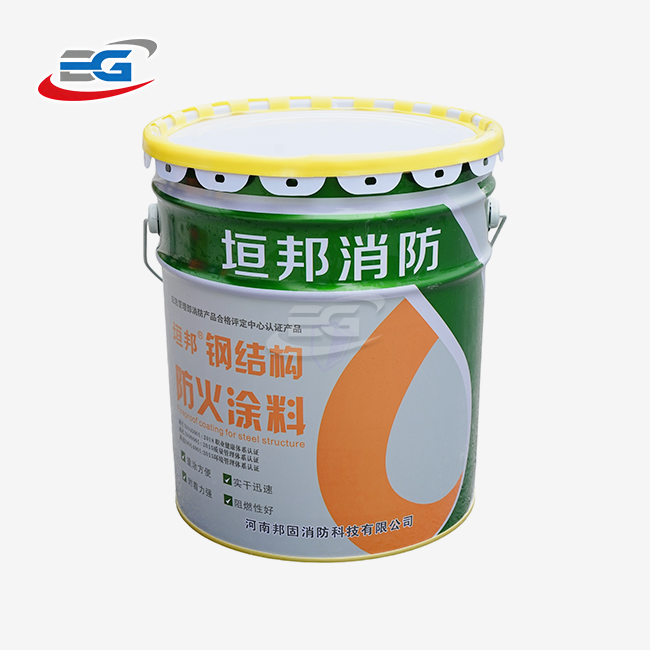 VIEW MORESolvent fire retardant coating for steel structure
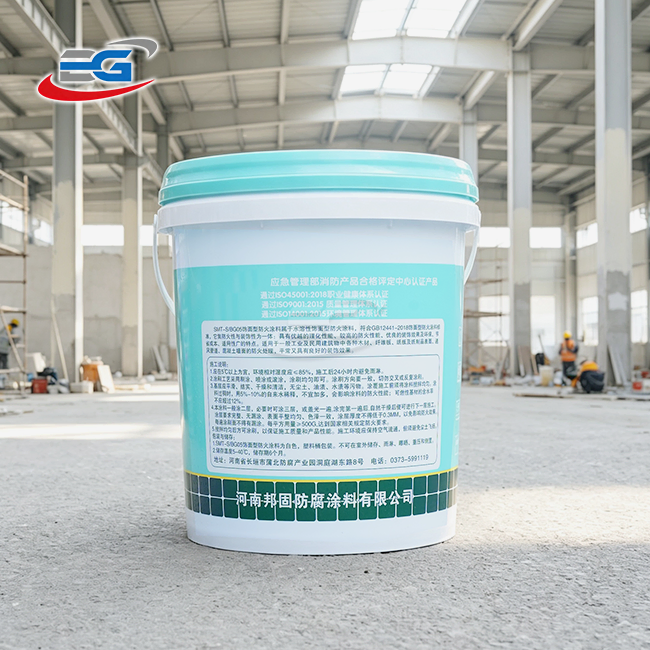 VIEW MOREFinishing type fire retardant coating for residential buildings
 VIEW MORELong Service Life Finishing Type Fire Retardant Coating
 VIEW MOREFire retardant finish coating
 VIEW MOREInterior finishing fire retardant coating
 VIEW MOREFinishing type fire resistant coating
 VIEW MOREfireproof coating for wood
 VIEW MOREfireproof coating with certificate