



How to Choose the Right Fireproof Paint for Steel Structures
Choosing the right fireproof paint for steel structures means matching your project's required fire resistance rating, exposure environment, and substrate condition to the correct coating type—thin-film intumescent for aesthetics and shorter ratings, or thick-film systems for heavy industrial use. Key checks include verifying dry film thickness charts, valid CCCF or equivalent certifications, VOC compliance, and supplier production capacity. Banggu Fanghuo's steel structure fireproof coating line covers 0.5–3-hour ratings, achieves Grade 1 adhesion, and withstands temperatures up to 1000°C, giving procurement teams a single, verified source for large-volume project needs.
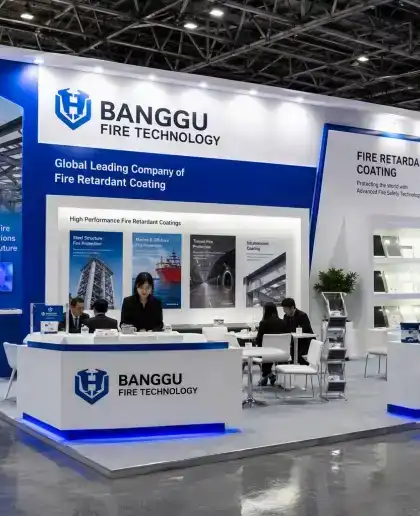
Understanding Fireproof Paint for Steel: Core Concepts and Benefits
About 550°C is when steel stops being able to hold weight. In a fully formed fire, that's how fast a normal structural steel bar can get there if it isn't saved. Paints that are fireproof can help with this problem. These paints act as a heat barrier and give you 30 to 180 minutes to leave the building safely and start fighting the fire.
What Does Fireproof Paint Actually Do?
A blend that starts to burn often gets 40 to 60 times thicker when heated, making a solid layer of carbonaceous char. The heat doesn't move through this char very well (≤0.12 W/m·K for Banggu Fanghuo's product), so it takes longer for the heat to reach the steel core. This makes the structure last longer before it breaks.
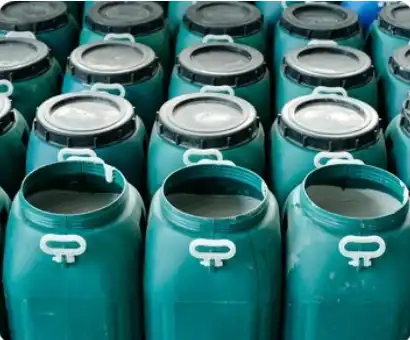
Intumescent vs. Cementitious: What's the Difference?
Steel used in buildings that is left out in the open and needs a clean finish works well with thin-film intumescent coats (3–10 mm dry). It is possible for thick-film cementitious coats (10–50 mm) to handle heavy industrial parts and longer fire ratings. Because each type is better for a different project, the first thing you need to do to choose is figure out which type your drawings are.
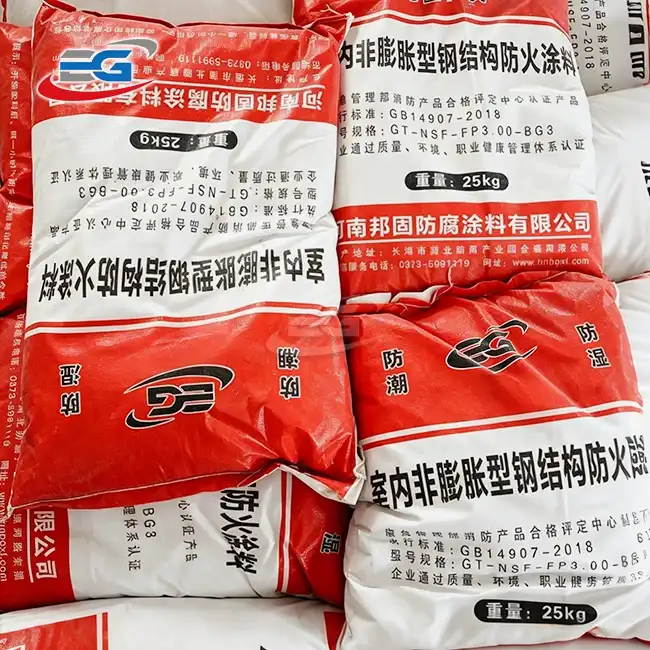
Beyond Fire: Additional Performance Benefits
Steel that has a good fireproof paint for steel protection layer won't rust, so it will cost less to maintain over time. The recipe from Banggu Fanghuo has a bonding strength of 0.15 MPa or more, can stay wet for 72 hours without burning, and is certified by ISO 9001, ISO 14001, and ISO 45001, which means it is good for the environment and makes good products.
Key Criteria to Evaluate When Choosing Fireproof Paint for Steel
Not every intumescent coating on the market will pass your project's inspection. Before committing to a supplier, procurement managers and technical leads should evaluate these specific factors.
Fire Resistance Rating and Dry Film Thickness Tables
The required fire resistance period—0.5h, 1h, 1.5h, 2h, or 3h—drives every other specification. A credible supplier provides a clear table linking the steel's Hp/A massivity ratio to the required dry film thickness (DFT). Banggu Fanghuo's product line supports ratings from 0.5 to 3 hours with a fire resistance of ≥1.5h as a standard benchmark, and the technical team provides project-specific usage calculations upon request.
Environmental Conditions and Formulation Type
Application environment determines whether a water-based or solvent-based system is appropriate. Water-based coatings (VOC ≤120 g/L) are preferred for occupied or enclosed spaces due to low odor. Solvent-based versions (VOC ≤650 g/L, classified UN1263 Class 3 flammable) perform better in high-humidity or colder conditions. Both types require application between 5–40°C and relative humidity ≤85%, with the substrate at least 3°C above the dew point.
Certification Match and Indoor/Outdoor Suitability
Verify that the test report model number matches the exact product being delivered—a common audit failure point. Indoor coatings lack UV and weather resistance, so outdoor steel exposed for more than five years requires a compatible UV/weather topcoat system. Always confirm the certificate scope covers your specific application scenario.
Comparative Analysis of Leading Fireproof Paint Solutions on the Market
The market offers several coating categories, and each carries trade-offs in cost, application ease, and long-term performance. Understanding these trade-offs helps procurement teams avoid over-specifying—or under-specifying—protection levels.
Thin-Film Intumescent Coatings
Thin-film fireproof paint for steel systems offer a decorative finish in multiple colors, add minimal weight to the structure, and dry quickly—surface-dry within 4 hours, fully cured within 24 hours. These attributes make them the default choice for commercial buildings, airports, and stadiums where aesthetics and schedule pressure both apply. The trade-off is a higher material cost per square meter compared to cementitious alternatives.
Thick-Film and Cementitious Systems
Thick-film coatings suit petrochemical facilities, power plants, and heavy industrial frames where 2–6-hour ratings are needed and finish appearance is secondary. Banggu Fanghuo supplies both categories from a single production facility with an annual output of 5,000–8,000 tonnes, which supports continuous supply for large-volume project contracts without the lead-time risk associated with smaller manufacturers.
Cost-Effectiveness Over Project Lifecycle
Upfront price per tonne is one data point; total project cost per protected square meter is the relevant metric. Factors include coating thickness required, number of passes, primer compatibility, and recoat intervals. Banggu Fanghuo's technical team provides a three-part package—selection comparison table, project quantity estimate, and on-site application guidance—that allows procurement managers to calculate total project coating cost accurately before signing a supply contract.
How to Procure Fireproof Paint for Steel: Best Practices and Logistics
A organized way to buy things keeps your project safe from problems with supply and safety. People who know a lot about buying always do these things.
- Confirm fire resistance grade from drawings first. Lock in the required rating (0.5h–3h) and the member types (beams, columns, pipes) before approaching suppliers. This prevents scope changes mid-procurement that delay certification.
- Request certificates tied to the specific model number you will purchase. CCCF or equivalent test reports must correspond to the delivered product. Request a sample batch for physical verification before mass delivery.
- Assess supplier production capacity for your project volume. A 200-tonne project needs a manufacturer that can schedule batch deliveries without disruption. Banggu Fanghuo's 5,000–8,000 tonne annual capacity and both land and sea transport permits support domestic and international project timelines.
- Negotiate delivery schedules and payment terms early. Large projects often involve phased construction. Confirm whether the supplier supports batch shipments and discuss payment structure before the contract stage to avoid cash flow friction.
Application and Maintenance Guidelines to Maximize Fireproof Paint Effectiveness
The right use is what makes fire safety work or not work. Some finishes, even good ones, won't work as well as they should if the dry film isn't thick enough or the surface isn't ready.
Surface Preparation and Primer Compatibility
Get rid of the rust, mill scale, oil, and water before you coat. At least Sa 2.5 should be on the steel's surface, which means that white blast has been used to clean it almost entirely. Be sure that the primer and your fire-resistant topcoat can be used together. Coatings from Banggu Fanghuo keep their Grade 1 stickiness when put on top of anti-corrosion bases that are made to work with them. Do not mix primer types unless you have first checked to see if they work well together.
Application Conditions and Thickness Control
Use only when the temperature is between 5°C and 40°C, the relative humidity is at least 85%, and the ground temperature is at least 3°C above the dew point. Use a wet film thickness gage to check that each coat meets the DFT goal from the manufacturer's loading table while it is being applied. Most of the time, why fire inspections fail again is because the walls aren't thick enough.
Storage, Shelf Life, and Inspection Intervals
Closed boxes should be kept in a dry place between 5°C and 45°C. Cementitious products only last 6 months, while water- and solvent-based products last 12 months. After the coats are put on, they should be checked once a year for damage like tears, delamination, or water getting in. Outside systems with a UV/weather finish should be checked again in five years to see if they need a new coat.
Conclusion
You need three things to choose the right fireproof paint for steel for steel: the right fire resistance number backed up by test reports, a formulation that works well at your site, and a source that can get it to you on time. Banggu Fanghuo makes a wide range of goods, from thin-film coatings made with water to thick-film coatings made with cement.
Ratings for these items range from 0.5 to 3 hours, and they are backed by ISO 9001, ISO 14001, and ISO 45001 signs. It is possible for procurement teams to be sure that they are picking the right products and installing them correctly if they have clear technical instructions and dedicated application support.
FAQ
What fire resistance rating do I need for standard commercial steel structures?
Most commercial building codes say that it should take one to two hours to put together the main parts of a structure. The exact number will depend on your building plans and the fire department's rules in your area. Always ask the design expert about a product before you buy it.
Can water-based intumescent coatings be used outdoors?
You don't need to take extra safety precautions to use water-based paints inside. When used outside for more than five years, you need a finish system that is resistant to UV light and weather. This system should work with the intumescent salts to keep them from breaking down in the sun and water.
How do I verify that a test certificate is valid for my purchase?
Check that the model number, type of product, and substrate specifications on the certificate all match the item you want to purchase. Ask for the full test report, not just an outline, and make sure that the lab that made the report is accredited.
What is the shelf life of Banggu Fanghuo's fireproof coatings?
Oil- and water-based products can be used for one year if they are sealed and kept between 5°C and 45°C. Things that are made of cement should be used within 6 months. Keeping things below 5°C or above 45°C could make them work less well.
Does solvent-based fireproof coating require special handling?
Yes. Liquids in UN1263 Class 3 that are flammable are made with solvents. Stay away from things that could catch fire, make sure there is enough air flow, and follow the rules in your area for dealing dangerous materials.
Get a Customized Fireproof Coating Solution from Banggu Fanghuo
Someone who can give you fireproof paint for steel that meets all of your needs in terms of fire rating, volume, and schedule is what you need for your next steel building job. Banggu Fanghuo has been making coatings for more than 30 years and is dedicated to making fireproof coatings. They offer approved thin-film and thick-film systems, project-specific number figures, and a range of OEM/ODM options. You can get help picking a product, samples, or bulk prices by getting in touch with our expert team. Just go to bgfireproof.com or email us at admin@bgfireproof.com to start your question right away.
References
1. Society of Fire Protection Engineers. SFPE Handbook of Fire Protection Engineering. 5th ed. Springer, 2016.
2. American Institute of Steel Construction. Steel Construction Manual. 16th ed. AISC, 2022.
3. International Organization for Standardization. ISO 834-1: Fire Resistance Tests — Elements of Building Construction. ISO, 1999.
4. ASTM International. ASTM E119: Standard Test Methods for Fire Tests of Building Construction and Materials. ASTM, 2020.
5. Buchanan, Andrew H., and Anthony K. Abu. Structural Design for Fire Safety. 2nd ed. Wiley, 2017.
6. European Committee for Standardization. EN 13381-8: Test Methods for Determining the Contribution to the Fire Resistance of Structural Members — Reactive Protection Applied to Steel Members. CEN, 2013.

USER EVALUATE
Here is the customer's evaluation of us
YOU MAY LIKE
 VIEW MOREWater-based fire retardant coating for steel structure
 VIEW MOREFire retardant coating for cable anti-corrosion
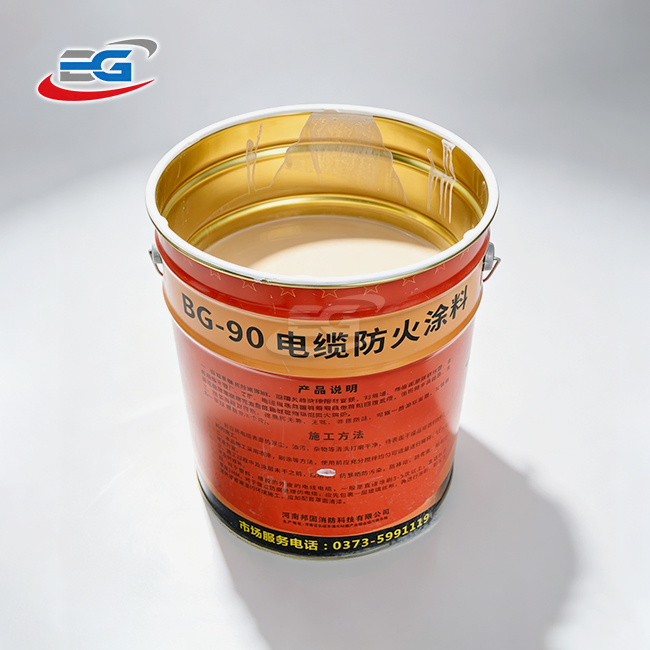 VIEW MOREFire retardant coating for cable low smoke
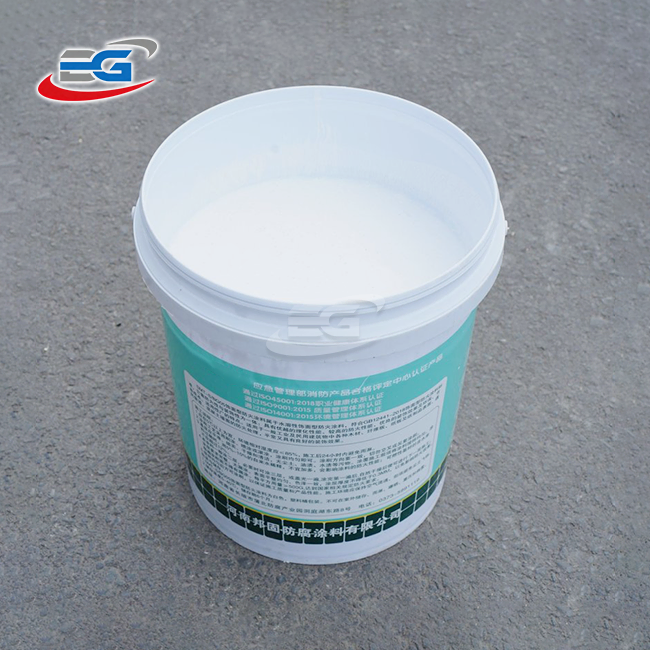 VIEW MORELong Service Life Finishing Type Fire Retardant Coating
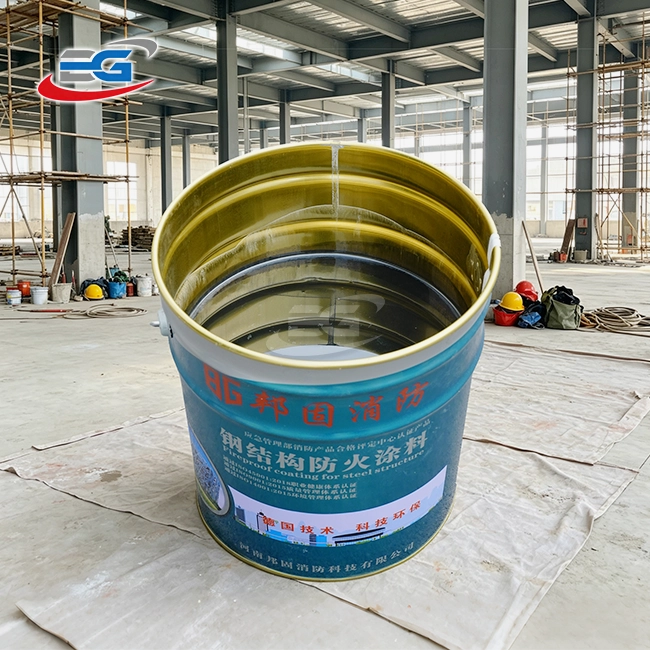 VIEW MOREFireproof Coating for Steel Structures non-toxic
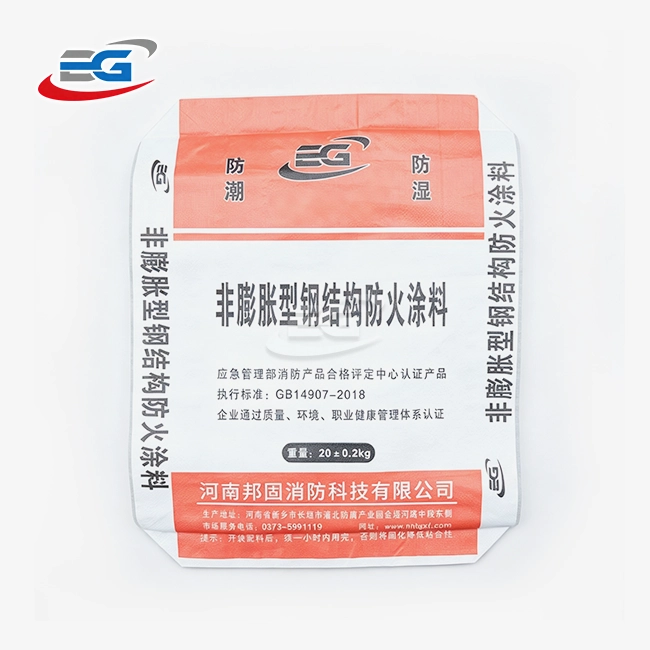 VIEW MORESteel Structure Fireproof Coating
 VIEW MOREfireproof coating for buildings
 VIEW MOREwater-based fireproof coating