



Fire Resistant Coating Solutions for Commercial Buildings
Protecting commercial buildings from fire starts long before a sprinkler activates. A well-selected fire resistant coating acts as the first passive line of defense, buying critical time for evacuation and emergency response. According to NFPA, structural steel begins losing load-bearing capacity at approximately 550°C — a threshold reached within minutes in an uncontrolled fire. This guide is written for purchasing managers, distributors, engineers, and OEM buyers who need accurate, practical information to make confident procurement decisions across steel structures, industrial facilities, and commercial buildings worldwide.
Understanding Fire Resistant Coatings: What They Are and How They Function
Not all things that keep things safe work the same way. Choose the right item for the job if you know how the main parts work.
The Difference Between Fire Resistant Coatings and Fire Retardants
Something on a surface is less likely to catch fire if it has a fire protection layer on top of it. This is helpful for finishing wood panels or art projects. A fire-resistant coating, on the other hand, keeps the substrate warm by acting as a thermal barrier. This lets the structure last longer before it breaks. Building codes like ASTM E119 and UL 263 test how well structures work when they are exposed to fire for a long time, not just how fast the flames spread on the surface. This difference is important to know when you are shopping for things.
How Intumescent Mechanisms Work
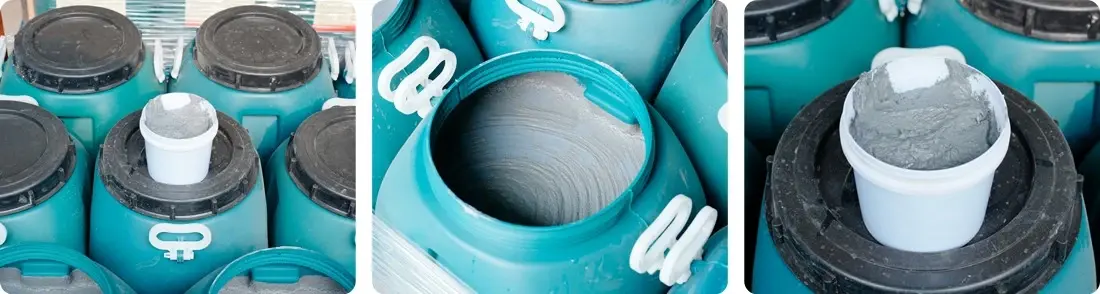
When heated, intumescent coatings often grow by a factor of 40:1 to 60:1, making a layer of low-density carbonaceous char. This layer of char makes it take longer for heat to move to the steel or wood below. This keeps the substrate from getting too hot and breaking during the time limit. Banggu Fanghuo makes a high-performance product that can stand up to fire for at least two hours in usual test conditions.
Insulating Layer Performance and Heat Transfer
For some fire resistant coating mixtures, dense mineral compounds that take in heat through endothermic reactions are also important. These two things make it take longer for heat to reach skeletal parts. Banggu Fanghuo's product line meets safety and environmental standards because it has a VOC content of less than 100 g/L and a GB 8624-2012 Class A rating for not being flammable. It also works well at high temperatures.
Types of Fire Resistant Coatings and Their Applications in Commercial Buildings
What kind of coating to use depends on the base material, how it will be used, and the fire rating that is needed. This is a helpful list broken down by type of application:
Steel Structure Coatings
Shopping malls, offices, and warehouses are all made of steel, and they need coatings that don't break during a cellulosic fire curve. Banggu Fanghuo makes finish coats for steel structures that catch fire and finish coats that do catch fire. Solves or water can be used to make these coatings.
The water-based form is safe because it has a VOC level of less than 120 g/L. The solvent-based form, on the other hand, has a VOC of more than 650 g/L and is a flammable liquid (UN1263 Class 3), which means it needs to be shipped with the right paperwork and stored in the right way.
Decorative and Timber Surface Coatings
Flames can't spread in historic buildings, wood-framed buildings, or hallway spaces because of thin artistic fireproof coatings that don't change the way the building looks. Astm E84 says that these combinations meet the Class A flame-spread standards and are especially useful when you need to keep up a good look. Banggu Fanghuo's artistic line has a clean, smooth surface that comes in many colors. This makes it good for places where a lot of people gather.
Cable and Industrial Facility Coatings
There is a high risk of fire in factories and data centers where there are long runs of electrical cables. Fire resistant coating applied on the wires that are made just for them stop fires from spreading along the trays of cables. Banggu Fanghuo sells industrial-grade paints that stick well to metal and concrete, dry on the surface in 4 hours, and harden in 24 hours. These mixtures are great for protecting warehouses and factories from fire for a long time. They cut down on the time it takes to build big things too.
Choosing the Right Fire Resistant Coating Solution: Key Factors for B2B Buyers
Before you choose a source, you should think about more than just the unit price. There are many things that affect how much an object is worth over its whole life.
Every business-to-business buyer should think about these main things before placing a big order:
- Certification validity: Confirm that CCCF, ISO 9001, ISO 14001, ISO 45001, and CE certificates are current and traceable to the specific product batch, not a generic company registration. Banggu Fanghuo holds all five of these certifications and can supply full documentation packages including TDS, MSDS, and CMA/CNAS test reports.
- Total cost of ownership: A thin-film intumescent coating reduces material consumption per square meter while meeting the same fire rating as a thick cementitious product. Lower dry-film thickness translates directly to lower material cost and shorter labor time on site.
- Substrate compatibility and application conditions: The product must be applied at +5°C to +40°C, with RH ≤85% and substrate temperature at least 3°C above the dew point. Indoor applications do not require UV or weather resistance; outdoor installations lasting beyond five years need an additional UV/weathering topcoat.
- Shelf life and storage: Water-based and solvent-based variants have a shelf life of 12 months; cement-based products carry a 6-month shelf life. Store all products at 5–45°C in dry conditions to maintain formulation stability.
It's also important to think about how open the seller is. As an OEM or ODM service provider, Banggu Fanghuo lets dealers pick their own labels, marking, and packing. With this feature, importers in the area can make their own brands of goods without having to build their own research and development (R&D) centers. The plant can always meet the needs of multi-container sales because it can make between 5,000 and 8,000 metric tons of goods each year. It also has permits for both land and sea transport, which makes it easier to ship goods between countries.
Fire Resistant Coating Market Insights and Procurement Tips
The global fire resistant coating market was valued at approximately USD 1.2 billion in 2022 and is projected to grow steadily through 2030, driven by tightening building codes across the Middle East, Southeast Asia, Africa, and Latin America. For distributors operating in these regions, the sourcing landscape rewards buyers who verify credentials before committing to volume.
Verifying Supplier Credentials Before Committing
Request product-specific test reports issued by CMA or CNAS-accredited laboratories, not generic company-level certificates. Cross-check the certificate registration number against the issuing body's public database. A video factory audit or third-party inspection visit before the first order significantly reduces the risk of receiving off-spec product.
Managing Bulk Order Logistics
Solvent-based fireproof coatings are classified as dangerous goods (UN1263, Class 3) and require IMO-compliant packaging, a Material Safety Data Sheet, and proper container segregation. Water-based and cement-based products are non-hazardous, simplifying customs clearance. Mixing both types in a single container shipment requires careful documentation planning — Banggu Fanghuo's export team provides full DG and non-DG documentation as a standard service.
Sustainable and Low-VOC Trends
Specifiers in green-certified buildings increasingly require coatings compliant with LEED or BREEAM credit criteria. Banggu Fanghuo's water-based formulation holds VOC ≤120 g/L, well within the thresholds required by most green building rating systems. As environmental regulations tighten across key export markets, low-VOC fire protection products are becoming a competitive differentiator for distributors serving institutional and government clients.
Conclusion
It's important to pick the right passive fire protection system for a business building because it affects the safety, compliance with building codes, and long-term worth of the building. A properly chosen and approved fire resistant coating helps a building meet the fire resistance ratings needed by local codes.
It also keeps the structure from falling down too quickly and lets people leave safely. People who buy things on a big scale and regional wholesalers all over the world trust Banggu Fanghuo because we have a lot of goods, certified papers, and flexible OEM/ODM services. If you want to place your first order, you should read our full certification package and ask for examples.
FAQ
What is the difference between a fire resistant coating and a fire retardant?
A fire extinguisher slows the spread of fire across a surface, according to ASTM E84 tests. As shown by ASTM E119 or UL 263, a fire-resistant coating stops the base of the building from losing heat and breaking. If you are building with steel, the second guideline is more important because it says to keep the steel below 550°C for the minimum time given.
How long does the fire protection last under normal service conditions?
A good intumescent coating can last more than 20 years if you take care of your indoor space. In order to protect something from UV light and bad weather, you need to put it outside. The intumescent layer will wear off in five years from UV light and water if you don't have one.
What thickness is required for a 2-hour fire rating on steel?
The Hp/A massivity factor of the steel section and the loading tables for that product tell us how thick the dry film should be. Banggu Fanghuo gives you thickness tables for all of their goods that are based on EN 13381-8 or similar national standards and have been approved by the company that makes the products.
Is the solvent-based product safe to store on-site?
The solvent-based form has a flash point above 60°C and is a UN1263 Class 3 flammable liquid. At 5–45°C, keep it away from things that could catch fire and in a dry place with good air flow. Follow the steps on the MSDS to clean up and contain the spill.
Partner With Banggu Fanghuo for Your Next Fire Protection Project
A lot of different fire-resistant coatings are available from Banggu Fanghuo. These include coatings for steel structures and cable fire-protection systems. They have been making coverings for more than 30 years and are approved by CE, ISO 9001, ISO 14001, and ISO 45001. We are a trustworthy company that makes coatings that are resistant to fire, and we can handle OEM/ODM branding, mixed-container sales, and all of the paperwork for exporting. Get in touch with us right away to get a price, a sample of a product, or detailed data sheets. If you want to talk, you can email us at admin@bgfireproof.com or visit bgfireproof.com.
References
1. NFPA 499 — Recommended Practice for the Classification of Combustible Dusts, National Fire Protection Association, 2021.
2. MarketsandMarkets — Fire Resistant Coatings Market — Global Forecast to 2028, 2023.
3. ASTM International — ASTM E119: Standard Test Methods for Fire Tests of Building Construction and Materials, 2022.
4. Underwriters Laboratories — UL 263: Fire Tests of Building Construction and Materials, 2022.
5. European Committee for Standardization — EN 13381-8: Test Methods for Determining the Contribution to the Fire Resistance of Structural Members, 2013.
6. International Maritime Organization — IMDG Code: International Maritime Dangerous Goods Code, 2022 Edition.

USER EVALUATE
Here is the customer's evaluation of us
YOU MAY LIKE
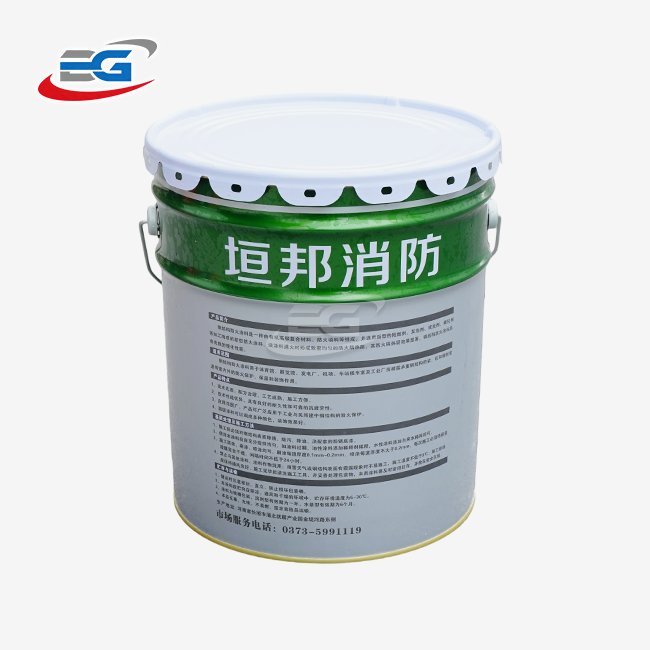 VIEW MOREWater-based fire retardant coating for steel structure
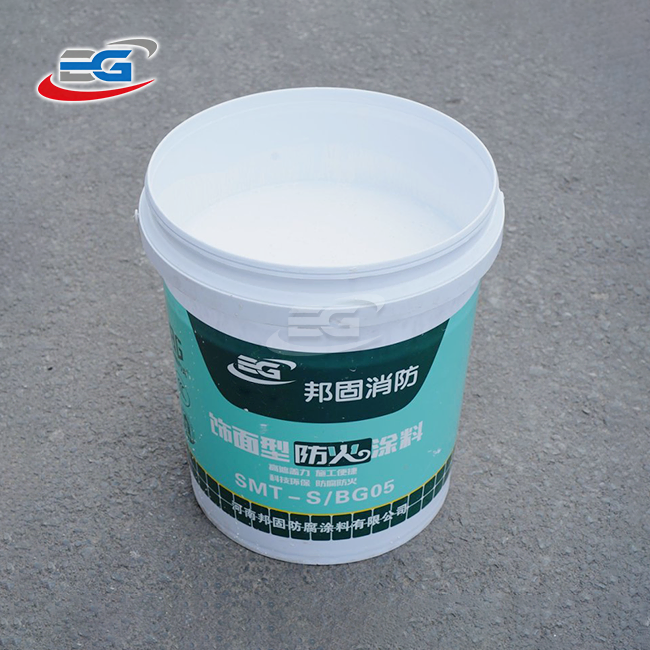 VIEW MOREWeather Resistant Finishing Type Fire Retardant Coating
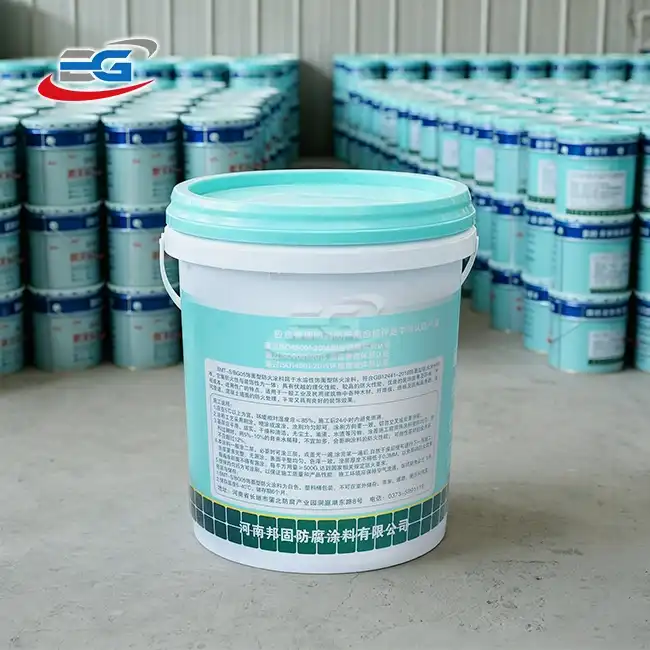 VIEW MOREFire Retardant Coating with Smooth Finish
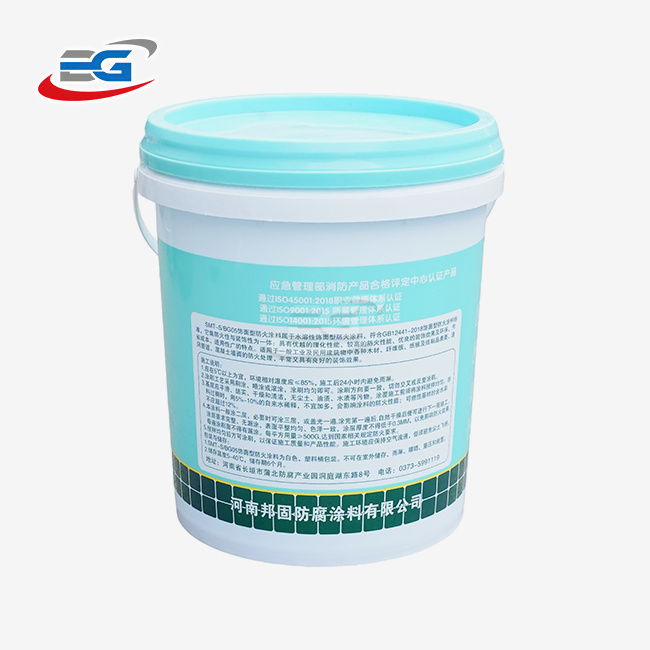 VIEW MOREDecorative finish fireproof paint
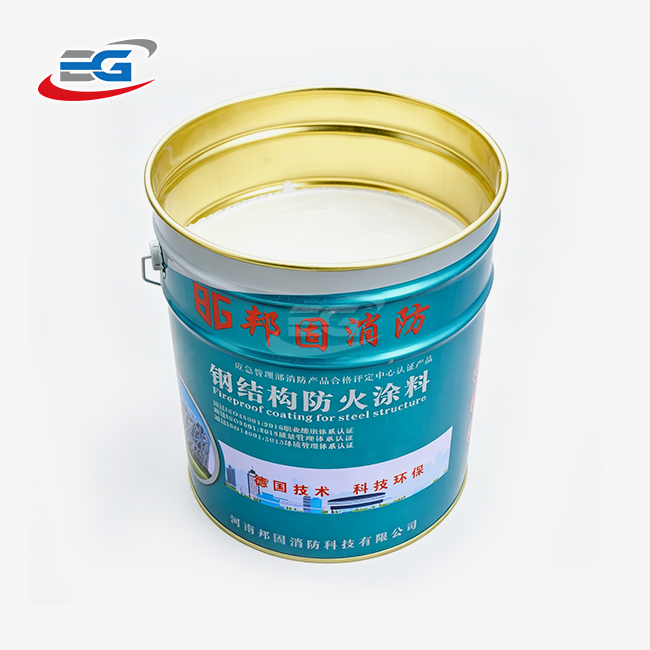 VIEW MOREIndoor intumescent fire retardant coating for steel structure
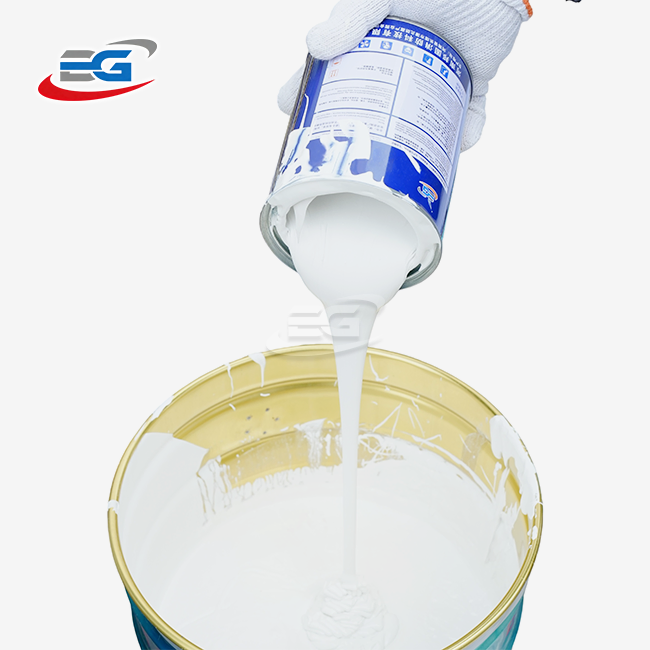 VIEW MOREfireproof coating for wood
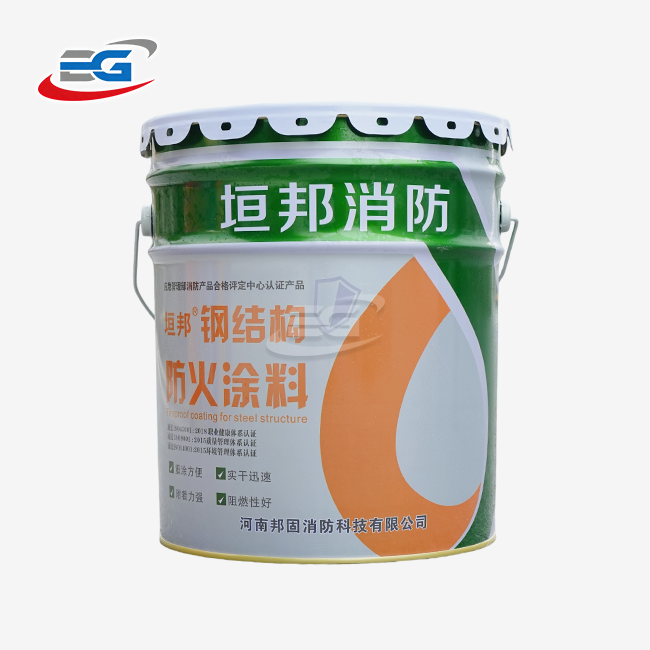 VIEW MOREhigh temperature fireproof coating
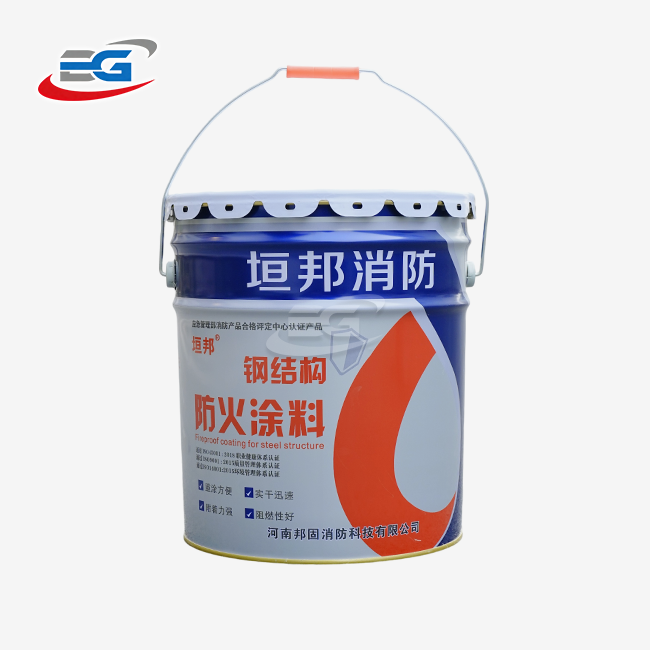 VIEW MOREflame retardant coating