



How Do You Apply Structural Steel Fireproof Coating Correctly on Site?
Applying structural steel fireproof coating correctly on site requires careful surface preparation, strict environmental controls, and precise dry film thickness management. Steel loses roughly 50% of its load-bearing strength at 550°C, so a reliable passive fire protection system is not optional—it is a code requirement. When applied properly, a certified fireproof coating for steel structures creates a thermal barrier that delays critical temperature rise, protecting beams, columns, and frames during a fire and buying essential evacuation time.
Understanding Structural Steel Fireproof Coatings: Types and Functions
The project team needs to agree on which type of coating fits the fire resistance number on the drawings before any containers are opened on-site. It's much more expensive to fix this after the fact if it was wrong in the specification stage.
Intumescent Coatings
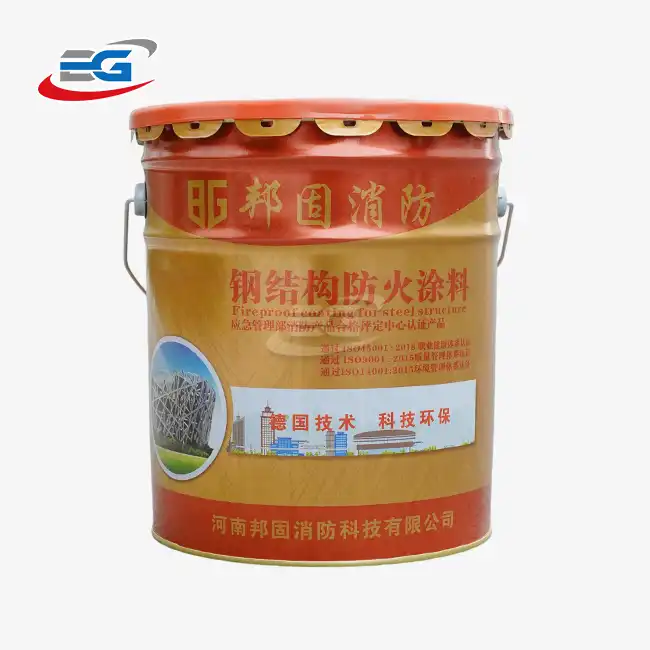
Intumescent coatings are made up of thin films, usually between 1 and 6 mm thick, that get very thick when heated up and form a char layer that doesn't conduct electricity well. This char keeps the steel part warm and slows its temperature rise. They work well with exposed architectural steel where looks are important. The water-based intumescent system from Banggu Fanghuo has a VOC content of ≤120 g/L and a fire resistance rating of ≥2.3 hours.
Cementitious (Thick-Film) Coatings
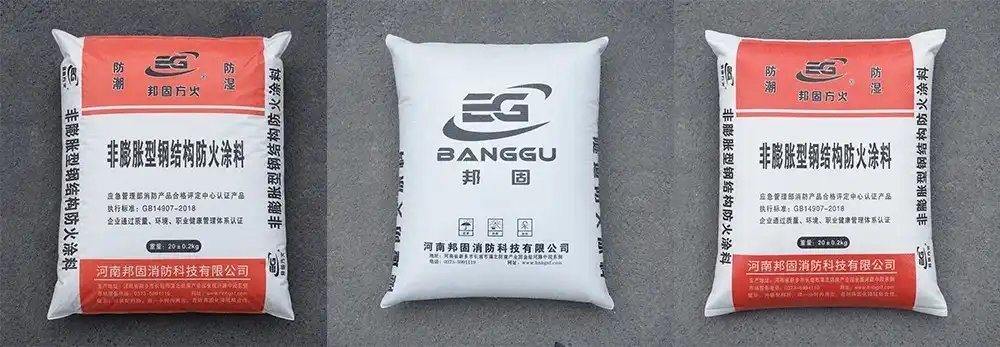
Cementitious protective coatings are made of mineral-based binders that are sprayed or troweled onto steel that is 10–50 mm thick. They are a cheap way to hide structural members in warehouses, industrial buildings, and parking garages. With a tensile strength of at least 25 MPa, they can handle being hit by machines while being built. Cement-based products only last six months, so planning ahead and getting them on time are important.
Fire-Retardant Topcoats and System Compatibility
No protective covering works effectively by itself. For outdoor or high-humidity environments, a UV- and weather-resistant topcoat is required to ensure long-term durability. The base intumescent system is not designed for extended outdoor exposure beyond five years without a protective overcoat. Before application begins, written confirmation from the supplier should be obtained to verify the compatibility of the primer, fireproof mid-coat, and finish coat. A properly designed structural steel fireproof coating system ensures reliable fire protection performance while maintaining durability under demanding environmental conditions.
Step-by-Step On-Site Application Process of Structural Steel Fireproof Coating
A organized application process is what makes the difference between a coating job that passes the fire inspection the first time and one that needs expensive repairs. The steps below are standard in the business and are in line with GB14907 and other foreign test methods that are similar.
Surface Preparation
According to ISO 8501-1, steel surfaces must be blast-cleaned to a minimum Sa 2.5 standard. This gets rid of mill scale, rust, grease, and water. At least 3°C above the dew point, the ground temperature must be, and the relative humidity must stay at or below 85%. The temperature outside must be between +5°C and +40°C. If you skip even one of these checks, you are more likely to have problems with adhesion and width exams at handover.
Mixing and Application Methods
A low-speed mechanical stirrer is used to mix water-based products until the paste is smooth and free of lumps. This usually takes two to three minutes. Solvent-based UN1263 products (flash point >60°C) need controls for ventilation and ignition sources. For thick-film cementitious products, use a trowel instead of an airless spray for edges and bolt groups and a brush for big structural parts. Apply in several coats, waiting 4 hours at 23°C between each one to dry completely before moving on to the next. Under normal circumstances, each pass takes 12 to 24 hours to fully heal.
Thickness Verification and Quality Control
A wet-film comb gage should be used to check the thickness of each layer's wet film right after it is applied. Once it's dry, use a measured magnetic gage to check the dry film thickness (DFT) on each structural part. For a fire resistance rating of at least 2.3 hours, check the public fire test data from the maker to make sure the necessary DFT is correct. Pinholes, sags, and delamination should be looked for visually. Non-destructive adhesion pull-off tests show that the gluing strength is at least 0.15 MPa. Write down everything you do; the fire inspector will ask for them when you're done.
Comparing Fireproof Coating Solutions to Make Informed Procurement Decisions
When purchasing managers look at fire safety products for a big job, they need more than just a price list. They need a clear way to compare the products. The final choice is based on performance data, environmental compliance, and provider capacity.
Because they are thin, intumescent goods usually cost more per kilogram but require less work to apply. Cementitious products use less material, but they take longer to install and make more waste. For projects that need to be finished quickly, an intumescent system with a surface-dry time of ≤4 hours lets the next trades start working sooner, which cuts down on the total project time.
You can see the most important buying measures next to each other below:
- Intumescent (water-based): VOC ≤120 g/L, thin film (1–6 mm), fast surface dry, suitable for exposed architectural steel, low toxicity, non-hazardous transport classification.
- Intumescent (solvent-based): VOC ≤650 g/L, suitable for cold-weather application windows, UN1263 transport classification—requires site safety controls.
- Cementitious (thick-film): 10–50 mm, compressive strength ≥25 MPa, low material cost, preferred for hidden structural members, cement shelf life 6 months—order close to project start.
These differences have a direct effect on how the site is organized, how the crew follows safety rules, and the paperwork that is sent to the fire authority. Picking a provider that offers a selection chart, a per-project amount calculation, and on-site technical support takes away the need to guess and lowers the chance of not meeting requirements.
Common Pitfalls in On-Site Application and How to Avoid Them?
When working with passive fire protection goods, even coating teams with a lot of experience make mistakes that they could have avoided. It saves time, money, and failed inspections to know where problems tend to gather.
Insufficient Surface Preparation
A lot of bonding problems are caused by not blast cleaning the steel well enough or putting the finish on top of wet steel. Even a substrate that is 2°C below the required dew point margin will keep water under the film. Make a written list of things that need to be done before the spray equipment is turned on, and have the site supervisor sign it.
Incorrect Dry Film Thickness
When you use too little, the fire protection grade isn't met, and when you use too much, you waste material and the film can crack under its own weight. A written DFT log that is changed after each structural member is the only safe way to keep track of this. Banggu Fanghuo gives you per-project number calculation tables that connect the fire resistance grade to the needed DFT. This takes away a lot of the guesswork that needs to be done on-site.
Premature Return to Service
When there isn't much time left on a job, teams will sometimes let other trades work around or directly against a newly applied coating before it has fully set. Impact damage to a film that is only partly hardened can leave bare spots that can't be seen by a casual observer. For a structural steel fireproof coating system, it is essential to set up physical barriers to keep people out of the area around freshly coated steel for at least 24 hours, helping prevent accidental damage and ensuring proper curing performance.
Post-Application Care, Maintenance, and Service Options
It's not enough to just pass the first fire check. A fireproof covering on steel buildings needs to be checked on a regular basis to make sure it stays effective over the life of the building.
Inspection Intervals and Signs of Degradation
As a general rule, coatings that are used inside should be visually checked every two to three years, and coatings that are subject to chemicals or high humidity should be checked every year. Check for cracks, separation, discoloration, or spots where something has been hit hard. Any place where the coating has come away from the base needs to be considered non-compliant until it is fixed.
Touch-Up and Recoating Protocols
For small areas of damage, take off any loose material until you get to the sound coating or bare steel. Then, prepare the surface again to the original blast standard and apply new material using the same product and thickness requirements as the first time. The original fire test approval is null and void if a different product is used without a compatibility test. This is something that purchase records must clearly show.
Outsourcing Application to Specialist Contractors
Hiring a qualified applicator who has been taught and approved by the coating maker makes large-scale structural steel projects safer and makes it easier to keep track of paperwork. As part of its standard service package, Banggu Fanghuo helps with pre-sales selection, on-site construction, and lifetime maintenance. This gives project teams a single point of contact from specification to handover who they can talk to about anything.
Conclusion
It takes a lot of work to properly apply protective coatings to structural steel on-site. The process starts long before the first coat is sprayed and continues for years after the final inspection. Surface preparation, environmental conditions, thickness verification, and post-application maintenance are all critical parts of a structural steel fireproof coating system that influence its performance during a fire. Every stage of the process becomes significantly more reliable when working with a provider that offers certified products, clear technical documentation, and professional on-site support.
FAQ
What temperature conditions are needed for on-site application?
The ambient temperature must be between +5°C and +40°C, relative humidity must be ≤85%, and the steel substrate must be at least 3°C above the dew point. Applying outside these windows increases the risk of adhesion loss and film defects that can cause a failed fire inspection.
Can these coatings be used outdoors?
Water-based and cementitious products are designed primarily for indoor use. For outdoor applications lasting beyond five years, a compatible UV-resistant and weather-resistant topcoat system is required. Confirm topcoat compatibility with the supplier before specifying the full system.
How is the required coating thickness determined?
Required dry film thickness is calculated from the steel section's massivity factor (Hp/A ratio), the specified fire resistance rating, and the manufacturer's published fire test data. Banggu Fanghuo provides a product-specific selection chart and per-project quantity calculation to simplify this process.
What is the shelf life of these products?
Water-based and solvent-based products carry a 12-month shelf life when stored at 5–45°C in a dry location. Cement-based products have a six-month shelf life. Always confirm the batch manufacture date before accepting delivery on site.
Are solvent-based products safe to store on site?
Solvent-based fireproof coatings with a flash point above 60°C are classified as flammable liquids under UN1263. They require storage away from ignition sources, good ventilation, and compliance with local hazardous-materials storage regulations.
Get a Certified Structural Steel Fireproof Coating Quote from Banggu Fanghuo
Banggu Fanghuo has approved structural steel fireproof covering that is fire resistant for at least 2.3 hours, has grade 0 adhesion, and is certified by ISO 9001, ISO 14001, and CE. We are a straight producer and supplier of structural steel fireproof coatings with more than 30 years of experience making coatings. We offer selection tables, on-site expert help, and quantity estimates for each project. You can email our technical team at admin@bgfireproof.com to get a product datasheet, a fire test report, or information on how much it costs to buy in bulk.
References
1. Society of Fire Protection Engineers. SFPE Handbook of Fire Protection Engineering, 5th ed. Springer, 2016.
2. American Institute of Steel Construction. Steel Construction Manual, 16th ed. AISC, 2023.
3. Corus Construction & Industrial. Fire Resistance of Steel-Framed Buildings. Corus Group, 2006.
4. International Organization for Standardization. ISO 8501-1: Preparation of Steel Substrates Before Application of Paints and Related Products. ISO, 2007.
5. Nolan, D. P. Handbook of Fire and Explosion Protection Engineering Principles for Oil, Gas, Chemical, and Related Facilities, 3rd ed. Elsevier, 2014.
6. Wang, Y. C., Burgess, I., Wald, F., and Gillie, M. Performance-Based Fire Engineering of Structures. CRC Press, 2012.

USER EVALUATE
Here is the customer's evaluation of us
YOU MAY LIKE
 VIEW MOREFire retardant coating for cable low smoke
 VIEW MOREFinishing type fire retardant coating for interior walls
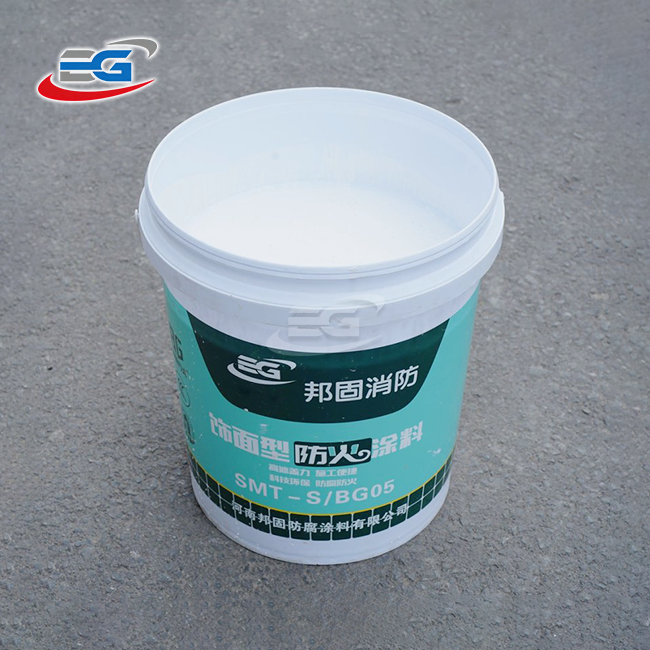 VIEW MOREEasy To Clean Finishing Type Fire Retardant Coating
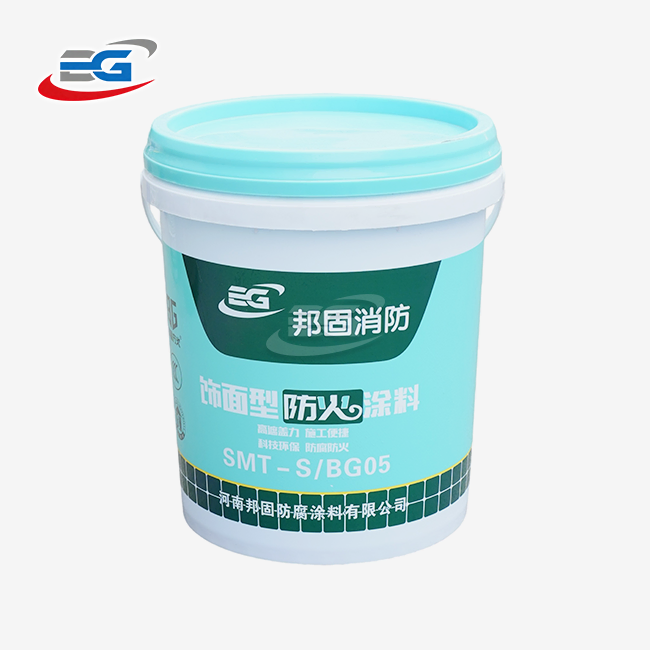 VIEW MOREDecorative fireproof coating
 VIEW MOREFinishing type fire resistant coating
 VIEW MOREFireproof Coating for Steel Structures for steel beams
 VIEW MOREFireproof Coating for Steel Structures for steel columns
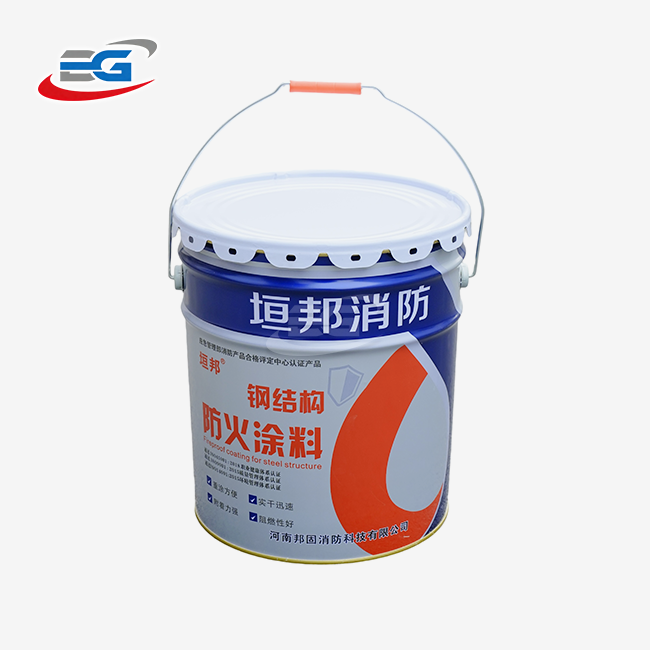 VIEW MOREflame proof coating