



Why Choose Long Service Life Finishing Type Fire Retardant Coating?
If you manage a hospital, airport, school, or commercial complex, you already know that repainting steel structures every few years is expensive and disruptive. Long service life finishing type fire retardant coating solves that problem directly. It delivers Class A fire protection, a VOC content of ≤25 g/L, and a fire resistance limit of up to 1.7 hours—all in a single coat that holds its appearance without frequent touch-ups. For property managers and retrofit contractors focused on total lifecycle cost, this is the coating worth specifying.
Understanding Long Service Life Finishing Type Fire Retardant Coatings
Before you compare goods, it's helpful to know what makes a finishing-type fire retardant coating different from a normal one and why buying teams care about the "long service life" label.
What Makes a Coating "Finishing Type"?
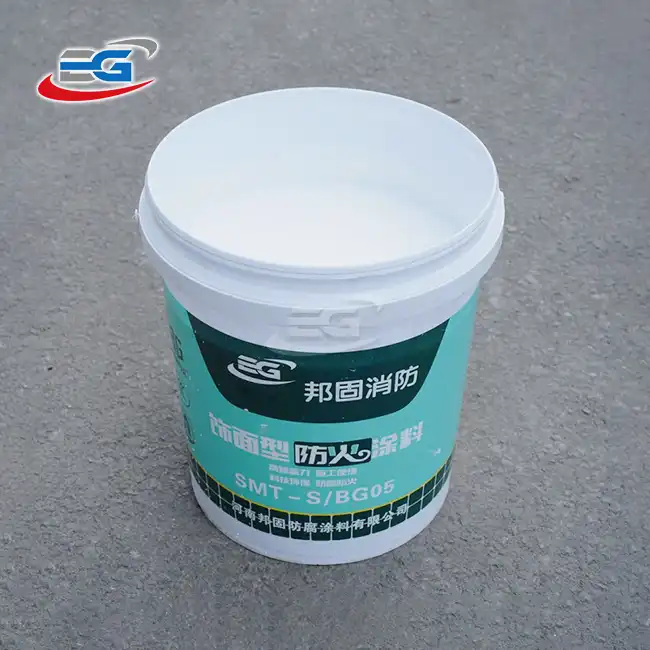
As well as keeping fires out, a finishing-type fire retardant coating makes the surface look nice. It means that indoor steel structures don't need a separate topcoat. This makes a smooth, color-changeable film that can be used to protect the sides of beams and columns in public buildings, hospitals, and offices without making them look bigger or adding weight to the structure.
How the Fire Resistance Mechanism Works
When heated, the coating turns into a stable layer of carbonaceous char that makes it take longer for heat to move to the steel underneath. This non-intumescent process keeps the film thickness low and the surface flat, which is important for building elements that people can see because expansion could damage the finish or break materials next to it during a retrofit.
Why "Long Service Life" Is a Technical Claim, Not Just a Label
Standard fire retardant coatings often lose their ability to stick or react chemically after three to five years because they absorb water or the substrate moves. Cross-linked resin binders are used in a long service life finishing type fire retardant coating formula because they don't break down in water, keep adhesion at Grade ≒1 (ISO 2409), and pass 1,000-cycle scrub resistance tests without damaging the film. That means that the coating will need to be reapplied fewer times over the building's lifetime.
Benefits of Choosing a Long Service Life Fire Retardant Coating
When you switch to a high-durability finishing layer, it changes more than just when you paint. Facilities teams, retrofit experts, and compliance inspectors care most about these main benefits:
- Reduced lifecycle cost: A single properly applied coat on indoor steel can remain effective for over ten years. Each avoided repainting cycle saves not only material cost but also the scaffolding, labor, and operational disruption that come with working inside an occupied building.
- Low-VOC formulation for occupied spaces: With a VOC content of ≤25 g/L (water-based version), the coating generates negligible odor during and after application. This makes it suitable for hospitals, schools, and retail environments where closing for ventilation is not an option.
- Class A flame-retardant performance: The coating meets Class A fire rating requirements, with a fire growth rate index of ≤250 and a smoke toxicity grade of Class t0. Both figures matter when your compliance auditor reviews the fire safety record.
- Compatibility with aged substrates: For retrofit projects where the existing steel carries old primer or minor surface oxidation, the coating's adhesion profile accommodates prepared existing layers without full blast cleaning, reducing substrate preparation cost.
This is a low-VOC mixture for busy spaces: The water-based version of the coating has a VOC content of less than 25 g/L, so it doesn't smell much when it's being used or afterward. This means it can be used in places like hospitals, schools, and stores where closing the door to let air flow through is not an option.
Comparing Finishing Type Fire Retardant Coatings to Other Solutions
Property managers often wonder if intumescent paints would be better for their renovation job. The answer is different depending on the situation.
Finishing Type vs. Intumescent Coatings
When heated, intumescent layers get very big, turning into a thick foam char. In a fire, that growth keeps structural steel warm, but it can crack finishes next to it, move tiles, or damage sealed joints in buildings that are already occupied. Long service life finishing type fire retardant coating keeps a stable film and works best on architectural steel used inside, where visual continuity and substrate integrity are important.
Suitability for Indoor vs. Outdoor Applications
This finish is made for steel buildings inside. On its own, it doesn't protect against UV light or corrosion. For applications outside or inside that will be in direct sunlight, a UV/weather topcoat that is compatible is needed to keep the paint working for more than five years. Choosing the right system for the job is the most important thing you can do to keep it from failing too soon.
Application Conditions and Construction Impact
You can spray or brush on the covering between +5°C and +40°C, as long as the material is at least 3°C above the dew point and the relative humidity is less than 85%. ≦2 hours to dry the surface. When workers work in buildings that are already occupied, short dry times and almost no emissions make the disruption window much smaller than with solvent-heavy options.
Procurement and Supplier Insights for B2B Clients
It takes more than just comparing prices to find a fire-resistant paint for a $300,000 to $1.5 million renovation job. Usually, procurement teams need test data that has been checked, a supplier that can make sure that each batch is the same, and technical support after the application.
What Certifications to Require?
Ask your supplier for ISO 9001 quality management certification, ISO 14001 environmental certification, and product-specific fire resistance test reports from accredited laboratories. Third-party batch verification from groups like Intertek or an equivalent is standard for projects that want to get money from the government.
How Banggu Fanghuo Supports the Procurement Process?
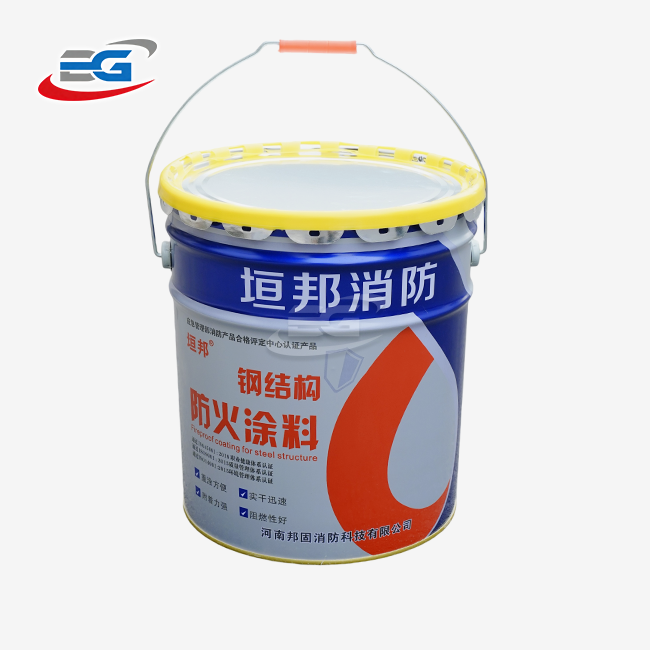
Henan Banggu Fire Protection Technology Co., Ltd. has been certified with ISO 9001, ISO 14001, and ISO 45001, and they have been making coatings for over 30 years. The business provides on-site material evaluation, sample confirmation before committing to a full order, and a written service life record for compliance sign-off. With OEM and ODM production options, procurement teams can make sure that product labels match the needs of the project.
Storage, Logistics, and Lead Time Considerations
If you keep the water-based form between 5°C and 45°C and keep it dry, it will last for 12 months. It is also safe to move. The solvent-based version is a UN1263 Class 3 flammable liquid, which changes the paperwork needed for shipping. Banggu Fanghuo has permits to move goods by both land and sea, which lets them make deliveries on a schedule that works with the different stages of building. Long service life finishing type fire retardant coating is designed to maintain stable performance over extended service periods.
Maximizing Performance and Longevity of Fire Retardant Coatings
When put on a surface that hasn't been properly prepared, even the best finish doesn't work as well as it should. Claims of long service life either hold true or fall short when it comes to substrate preparation.
Substrate Preparation Requirements
Before you apply, get rid of any loose paint, rust scale, or other pollution. If the steel already has a primer on it, make sure that the new layer will not react chemically with the old system. This step is taken care of by Banggu Fanghuo's pre-project assessment service, which finds foundation conditions that may only need spot treatment instead of full removal. This saves a lot of money on retrofits that happen in occupied buildings.
Inspection and Maintenance Protocol
Once it's been put down, well-prepared indoor installations only need to be visually checked for damage once a year. Chemically active surfaces need to be re-saturated every so often, but this method doesn't need any extra chemical treatment while it's in use. Keep track of each inspection in a maintenance log to meet the needs of auditors and insurance companies.
When a Touch-Up Is Needed
Impact damage from tools or renovation work can break through the coating film in certain places. Spot fixes with the same product are easy because the coating can be applied with a brush without showing color bands, as long as the color of the base was matched when the product was bought. You should talk to your supplier about this real matter before the job ends.
Conclusion
A finishing type fire retardant coating with a long service life is not an extra that costs a lot of money; it is a way for a facility that can't afford to be interrupted often to save money. For up to 1.7 hours of fire resistance, a VOC content of as little as 25 g/L, Class A performance, and a formula made to stay adhered for ten years or more indoors, this long service life finishing type fire retardant coating class covers all the major concerns that facilities managers, retrofit engineers, and compliance teams bring to the table. Your building and your running budget are both protected by the right coating when it is put on properly.
FAQ
How long does this coating actually last indoors?
If you prepare the base properly and apply the covering correctly, it will stay fire-resistant and stick to indoor steel for more than ten years. Visual checks should be done once a year to find any mechanical damage.
Can this coating be applied while a building is occupied?
Yes. The water-based mixture has a VOC content of 25 g/L and a surface drying time of 2 hours. This means that it can be used in buildings that are partially or fully occupied, like hospitals and schools, with little effect on the smell.
Does it work on existing painted or rusted steel?
It can be used with existing substrates that have been properly prepared. You need to get rid of loose rust and flaking paint, but you don't always need to do a full blast cleaning. Before you agree to a specification, a site evaluation makes the preparation scope clear.
Is the coating safe for fire code compliance documentation?
Yes. It has a flame-retardant grade of Class A, a fire growth rate rating of ≤250, and a smoke toxicity grade of Class t0. These numbers are in line with what most places expect for fire safety audits.
What is the difference between the water-based and solvent-based versions?
The water-based form (VOC ≤120 g/L) is safer to carry and better for areas with people. The solvent-based form (VOC ≤650 g/L) is classed as UN1263 Class 3 flammable and needs the right shipping paperwork and safety steps on the job site.
Get a Coating Specification That Protects Your Budget and Your Building
The long service life finishing type fire retardant coating supplier team at Banggu Fanghuo is ready to help you with your retrofit or new-build project, from assessing the substrate to ensuring compliance. We deliver performance that has been checked, not just promises, thanks to our ISO 9001, ISO 14001, and ISO 45001 certifications, OEM/ODM flexibility, and more than 30 years of production experience. To get a detailed document or project quote right away, email us at admin@bgfireproof.com.
References
1. ASTM International. ASTM E84: Standard Test Method for Surface Burning Characteristics of Building Materials. ASTM International, 2023.
2. International Organization for Standardization. ISO 2409: Paints and Varnishes — Cross-Cut Test. ISO, 2020.
3. European Committee for Standardization. EN 13501-1: Fire Classification of Construction Products and Building Elements. CEN, 2019.
4. National Fire Protection Association. NFPA 703: Standard for Fire Retardant–Treated Wood and Fire-Retardant Coatings for Building Materials. NFPA, 2022.
5. Leistner, P., & Bruns, M. Durability of Intumescent and Finishing-Type Fire Protective Coatings on Steel Substrates. Fire and Materials Journal, 2021.
6. U.S. Environmental Protection Agency. Architectural Coatings: Volatile Organic Compound Emission Standards and Guidelines. EPA, 2022.

USER EVALUATE
Here is the customer's evaluation of us
YOU MAY LIKE
 VIEW MOREWire and cable fire retardant coating
 VIEW MORECable fireproof coating
 VIEW MOREFire retardant coating for cable
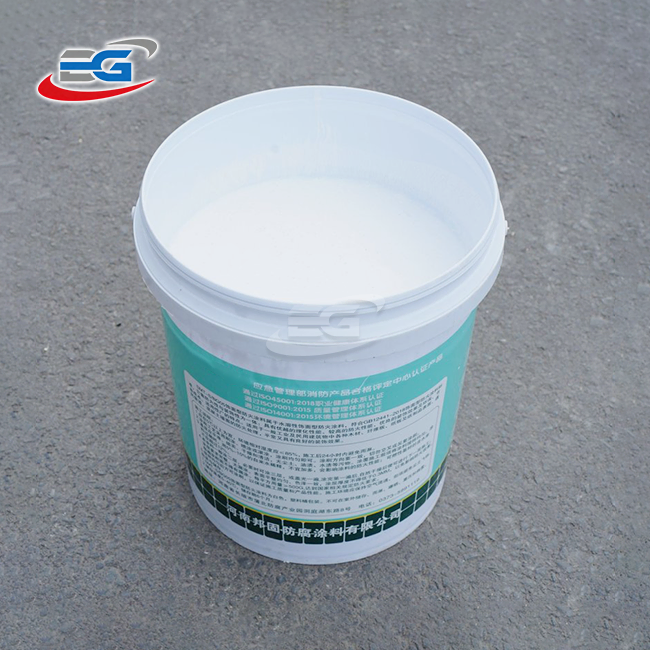 VIEW MORELong Service Life Finishing Type Fire Retardant Coating
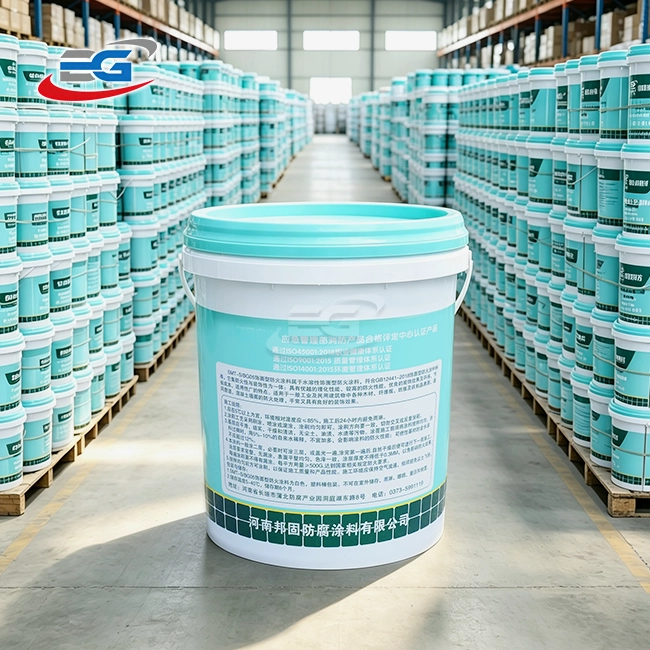 VIEW MOREHigh Adhesion Finishing Fire Retardant Coating
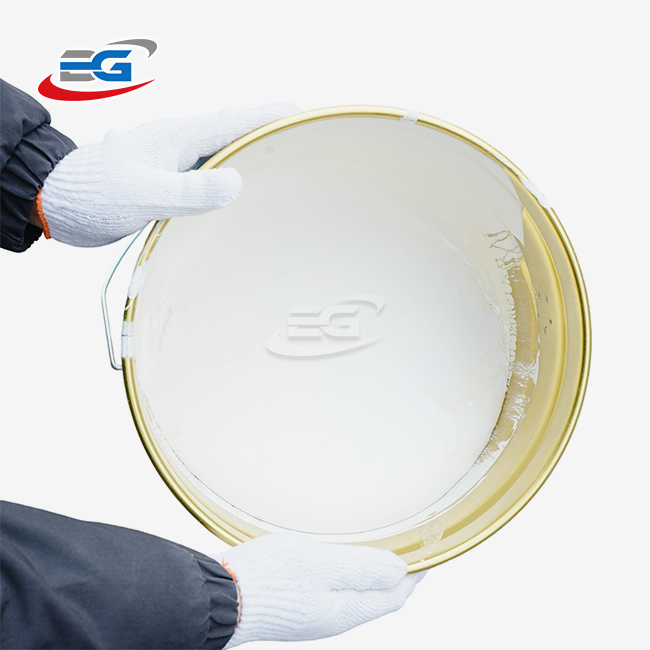 VIEW MOREFire Retardant Coating for Steel Structures
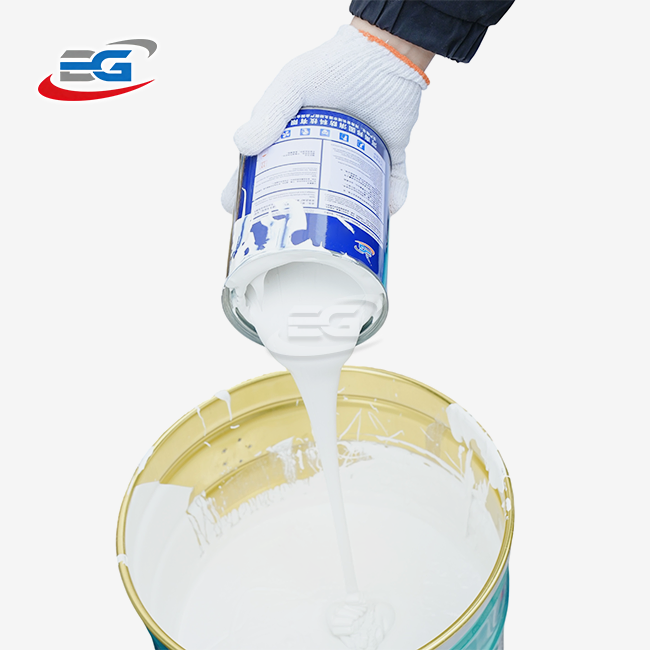 VIEW MOREfireproof coating for metal
 VIEW MOREintumescent fireproof coating