



How to Choose a Durable Finishing Type Fire Retardant Coating for Walls
Choosing the right wall coating for a high-traffic facility means more than passing a fire inspection. If you manage a hospital, airport, school, or commercial complex, you already know that repeated repainting cycles cost money, disrupt operations, and frustrate every stakeholder from facilities managers to compliance auditors. A long service life finishing type fire retardant coating addresses all of those concerns at once — it delivers certified fire protection, a clean decorative appearance, and a service life that genuinely reduces the total cost of ownership over a building's operational cycle.
Understanding the Importance of Long Service Life in Finishing Type Fire Retardant Coatings
What "Finishing Type" Actually Means?
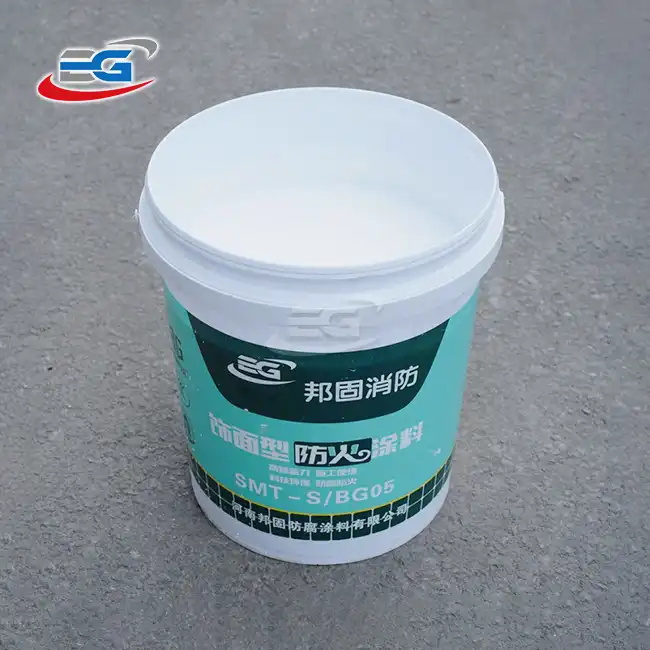
A finishing type fire retardant coating is the last layer that can be seen that is put on walls or other structure surfaces. In contrast to base coats or intumescent underlayers, it does two things at once: it stops fires and looks nice. When heated, the coating turns into a charred barrier that slows the spread of the flame and stops heat from getting to the layer below. Because the surface is smooth and can be changed to any color, most internal uses don't need a separate cosmetic topcoat.
Why Service Life Matters More Than Upfront Cost?
Standard fire retardant coatings often lose their chemical effectiveness after three to five years because they absorb water, heat and cool, or the surface turns chalky. Stabilized cross-linking resin technology can be used to make a durable finishing coat that will stay in place and look good for at least ten years indoors. That difference saves a 50,000-square-foot venue several shutdowns and hundreds of thousands of dollars in labor and materials that would have been needed later.
Mechanisms That Drive Longevity
The chemical stability of long service life finishing type fire retardant coating relies on high-quality resin binders and flame-retardant additives. Water-based formulas with low VOC levels (below 80 g/L) maintain stable long-term adhesion and prevent plasticizer migration. A reliable service life can be verified by key performance indicators: Grade 1 adhesion per ISO 2409 and resistance to over 1,000 scrub cycles without damage, ensuring durability against routine cleaning and daily operational wear.
Key Criteria to Evaluate When Choosing Durable Finishing Type Fire Retardant Coatings
Fire Resistance Rating and Verified Test Reports
Any covering you choose must have fire protection data that has been checked by a third party. Try to find something that can fight fire for at least 1.7 hours and has a Class A flame-retardant grade. The measure of fire growth rate should be at or below 250. Don't just look at internal data sheets; ask suppliers for test reports from accredited laboratories as well. The smoke toxicity classification (Class t0 is the safest) is important, especially in small spaces with limited time for escape, like hospital hallways or school classrooms.
VOC Content and Indoor Air Quality Compliance
Chemicals in the air can only get into buildings that are still being used while they are being renovated. A coating with a VOC content of 25 g/L or less (water-based group) doesn't smell bad and can be used in buildings that are already inhabited or mostly occupied. Following the rules for limiting chemicals set by REACH and RoHS gives buying teams in charge of health and environmental checks even more peace of mind. The manufacturer's ISO 14001 environmental approval shows that production rules are always the same.
Substrate Compatibility and Application Conditions
Many projects fail because the substrate is too old or has already been coated. Before choosing a product, make sure that the finish will work with the surface as it is, whether it's old latex paint, some rust, or concrete. It should be between +5°C and +40°C when the application is done, and the base surface should be at least 3°C above the dew point. Meeting these requirements stops delamination early and saves the expected service life.
Comparing Long Service Life Finishing Type Fire Retardant Coatings with Standard Alternatives
Performance Durability: Long-Life vs. Conventional Options
Standard finishing coats need to be reapplied every three to seven years. A long-lasting formula designed for long-term use keeps its fire rating, color stability, and adhesion for at least ten years when used indoors. The main differences are shown in the table below:
| Parameter | Standard Finishing Coat | Long Service Life Coat |
|---|---|---|
| Fire Resistance | 0.5–1.0 h | Up to 1.7 h |
| Reapplication Cycle | 3–7 years | 10+ years (indoor) |
| VOC Content | Varies widely | ≤80 g/L |
| Scrub Resistance | 300–500 cycles | ≥1,000 cycles |
| Smoke Toxicity | Varies | Class t0 |
The numbers above are not just fancy words used for marketing; they are test results that can be measured and compared to reports for each batch.
Finishing Coatings vs. Intumescent Systems
When steel is heated, intumescent coatings expand significantly to shield the substrate, which makes them widely applied for exposed steel structures. In contrast, finishing type fire retardant coatings prioritize surface aesthetics while delivering certified fire resistance for walls, ceilings, timber substrates and MDF panels. For renovation projects merely upgrading wall surfaces of existing buildings, finishing coatings outperform intumescent systems, as they avoid thick film build-up and uneven surface textures.
Environmental Resilience for Indoor Applications
Keep in mind that finishing type fire retardant coatings are not rated for weather or UV resistance when they are used inside without a topcoat to protect them. A UV-stable weather protection layer is needed for any outdoor use that will last longer than five years. The layer stands up well to changes in temperature and humidity indoors, as shown by the fact that it didn't darken or blister after 48 hours of testing.
Procurement Considerations for Bulk Buyers and Distributors
Supplier Verification and Certification Checks
Companies with ISO 9001, ISO 14001, and ISO 45001 certifications should be given top priority when looking for a long service life finishing type fire retardant coating provider for a big job. These credentials prove good quality control, care for the environment, and safety measures for workers. These all affect how consistent the product is across large batches. If it's needed, ask for CE certification and compare fire performance data with reports from third-party labs like Intertek or similar organizations.
Volume Pricing and Logistics Planning
For purchases between $300,000 and $1,500,000, having direct relationships with manufacturers that let you negotiate prices based on volume is helpful. Make sure that your buyer has both land and sea transport permits so that they can meet the deadlines for large orders. When planning your warehouse, you should keep in mind that storage needs to be kept between 5°C and 45°C in a dry area. Water-based and solvent-based formulas have different shelf lives (12 months for solvent-based and 6 months for cement-based), so make sure that batch delivery plans are aligned with this.
Warranty, Sampling, and Post-Sale Support
Before agreeing to a full project order, ask for a sample treatment on a substrate piece that is typical of the project. Use the pull-off method (ISO 4624) to check the adhesion and make sure that the thickness of the dried film meets the requirements for the stated fire resistance limit. A good company will also offer documented help after the sale, such as advice on how to build the product, remote technical support, and upkeep suggestions for life.
Top Brands and Innovative Solutions in Durable Finishing Fire Retardant Coatings
Banggu Fanghuo's Product Portfolio
Henan Banggu Fire Protection Technology Co., Ltd., which does business under the Banggu Fanghuo brand, has been making fireproof coatings for over 30 years from its base in Changyuan City, which is known as China's anti-corrosion manufacturing hub. The company manufactures diverse fire protection products, including long service life finishing type fire retardant coating, as well as non-intumescent and intumescent finishing solutions for indoor steel buildings, walls, ceilings, and wood-based substrates. Its goods are approved by ISO 9001, ISO 14001, ISO 45001, CE, and FDA, so they can be sold in markets in the Middle East, Southeast Asia, and other regions worldwide.
Eco-Friendly Formulation and Green Building Alignment
The finishing coat from Banggu Fanghuo that is water-based has a VOC content of 80 g/L and a smoke toxicity classification of Class t0. These numbers back up hospitals, schools, and government buildings that want to get LEED points or go through green building surveys. At a coverage rate of 4–6 m²/kg, the thin-coat application method keeps the impact of structural loads to a minimum and cuts down on material waste per square meter treated.
Technical Support and Customization Services
Banggu Fanghuo provides both OEM and ODM services, which let engineering companies and wholesalers choose how the product is made, packaged, and branded based on the needs of the project. The sales and technical team does assessments of the substrate before the sale, construction guidance during the project, and maintenance schedules after the project is finished. This kind of full-cycle support lowers risk for facilities managers who have to work within tight operational windows.
Conclusion
Three things are needed to choose a lasting fire retardant finishing coat for an existing building: performance data that has been checked, substrate compatibility, and a service life that is reasonable and won't cause too much downtime over time. Standard coats that look good when they are first put on can fail after a few years if they are put on old surfaces without being properly checked out first. It is better for the building and the budget to choose long service life finishing type fire retardant coating that has a proven adhesion strength, a Class A fire rating, low VOC content, and an expected indoor service life of more than ten years. When you work with a certified manufacturer who offers substrate evaluation and support after the sale, a one-time purchase becomes an asset that lasts for a long time.
FAQ
How long does a finishing type fire retardant coating actually last indoors?
If you keep the conditions inside under control and prepare the surface properly, a good recipe can keep its fire rating and surface stability for at least ten years. This varies on how well the base is prepared, how thick the application is, and the temperature and humidity during drying.
Can this coating be applied while the building remains occupied?
Yes, water-based solutions with VOC content at or below 80 g/L don't smell bad and can be used in buildings that are occupied or mostly occupied. Surface drying takes no more than two hours, so it doesn't really affect operations.
Does the coating work on previously painted or corroded surfaces?
The condition of the existing surface determines whether or not the product will work with it. It is highly suggested that the base be checked by a professional before application. To protect long-term bonding, the right primer must be used on surfaces that aren't porous or are partly corroded.
Is outdoor use possible without a topcoat?
No. On its own, this item is not immune to UV light or bad weather. A certified UV-stable weather protection layer must be put on top of the fire retardant finish for outdoor uses that will last longer than five years.
What certifications should I request from a supplier?
Ask for ISO 9001 (quality management) and ISO 14001 (environmental management) reports, as well as lab data for each batch and reports from a third party on fire resistance. For safety checks, it's also important to have CE approval and smoke toxicity classification papers.
Get a Coating Solution Tailored to Your Project — Contact Banggu Fanghuo
Your building should have a fire safety system that doesn't need to be re-coated every year. Banggu Fanghuo offers production that is ISO-certified, full technical support, and flexible OEM/ODM choices. They provide long service life finishing type fire retardant coating to airports, hospitals, schools, and business buildings all over the world. You can email our team at admin@bgfireproof.com to get product examples, help evaluating a substrate, or a price that is tailored to your project.
References
1. National Fire Protection Association (NFPA). NFPA 101: Life Safety Code. 2021.
2. ASTM International. ASTM E84: Standard Test Method for Surface Burning Characteristics of Building Materials. 2023.
3. International Organization for Standardization. ISO 2409: Paints and Varnishes — Cross-Cut Test. 2020.
4. European Committee for Standardization. EN 13501-1: Fire Classification of Construction Products and Building Elements. 2019.
5. Levin, B.C. Toxicological Effects of Fire Gases on Human Health. National Institute of Standards and Technology, 2000.
6. Building Research Establishment (BRE). Fire Performance of External Thermal Insulation for Walls of Multistorey Buildings. BRE Press, 2014.

USER EVALUATE
Here is the customer's evaluation of us
YOU MAY LIKE
 VIEW MOREfire coating for cables
 VIEW MOREHigh Adhesion Finishing Fire Retardant Coating
 VIEW MOREFireproof finishing paint
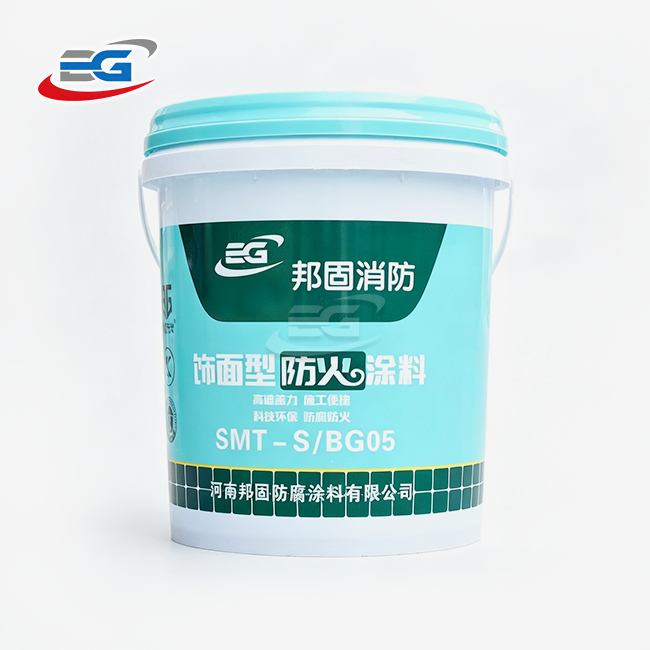 VIEW MOREFinishing fire retardant coating
 VIEW MOREFireproof Coating for Steel Structures for steel beams
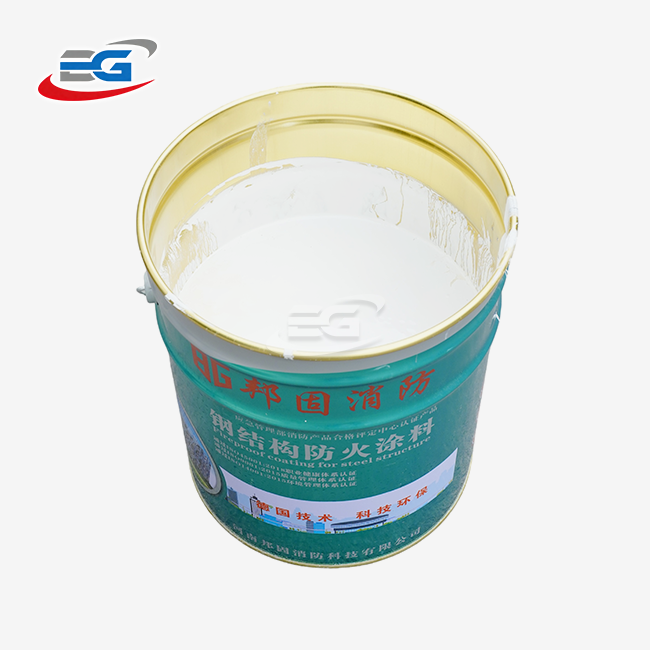 VIEW MOREFire Protection Coating for Steel Structures
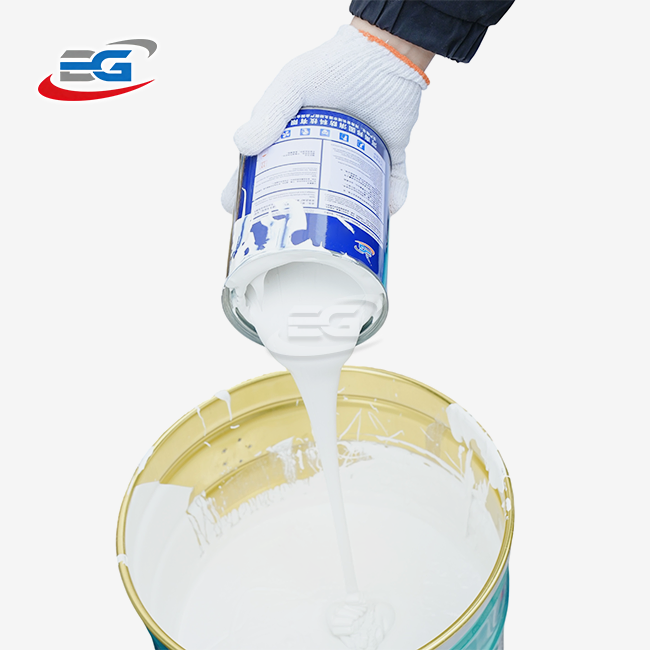 VIEW MOREfireproof coating for metal
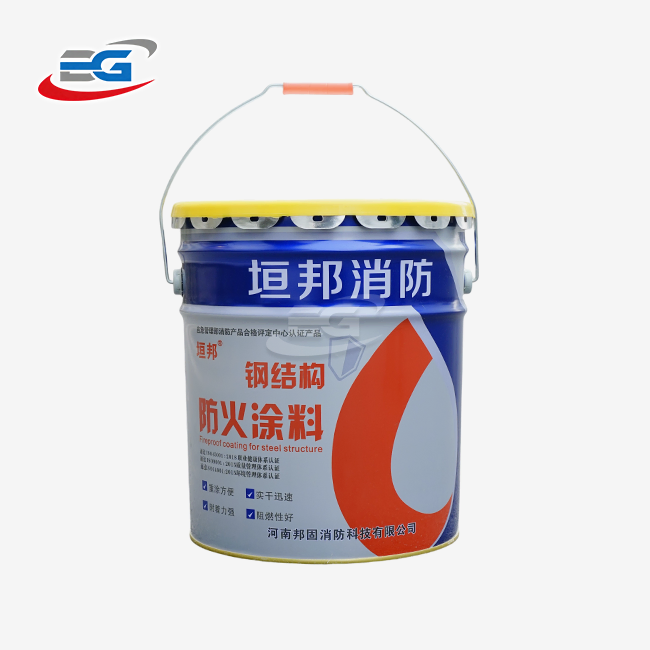 VIEW MOREfire protection coating